PCB Design

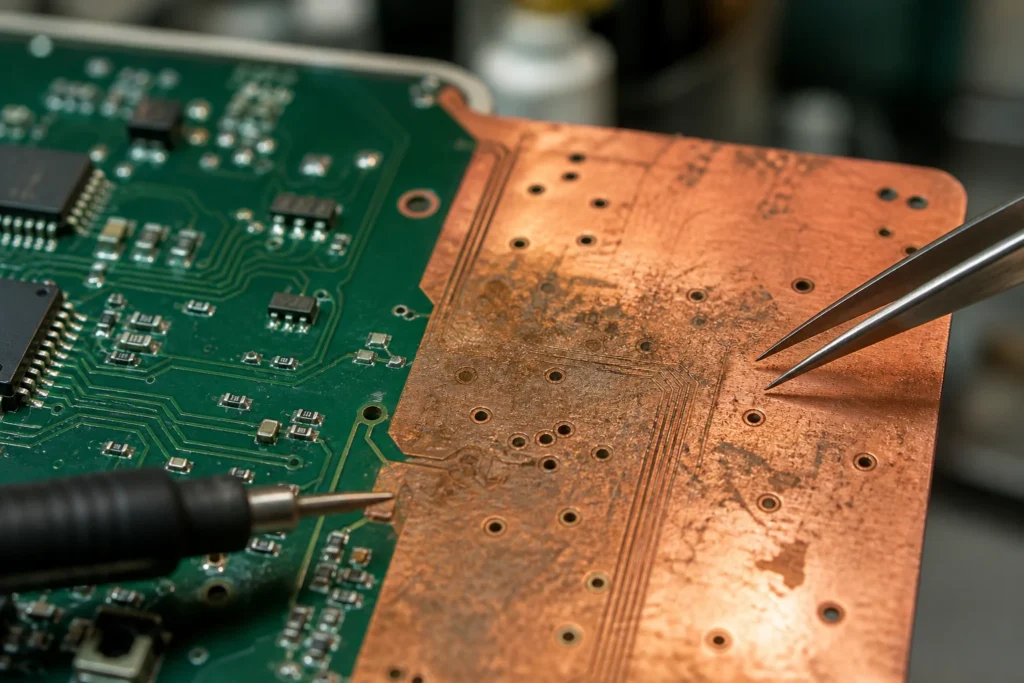
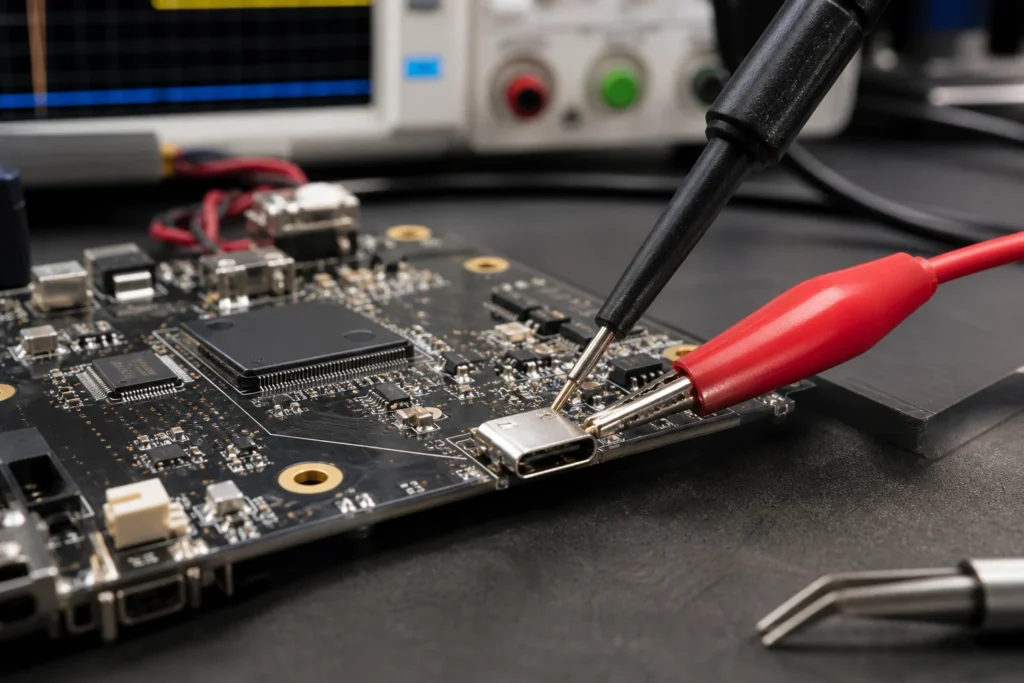
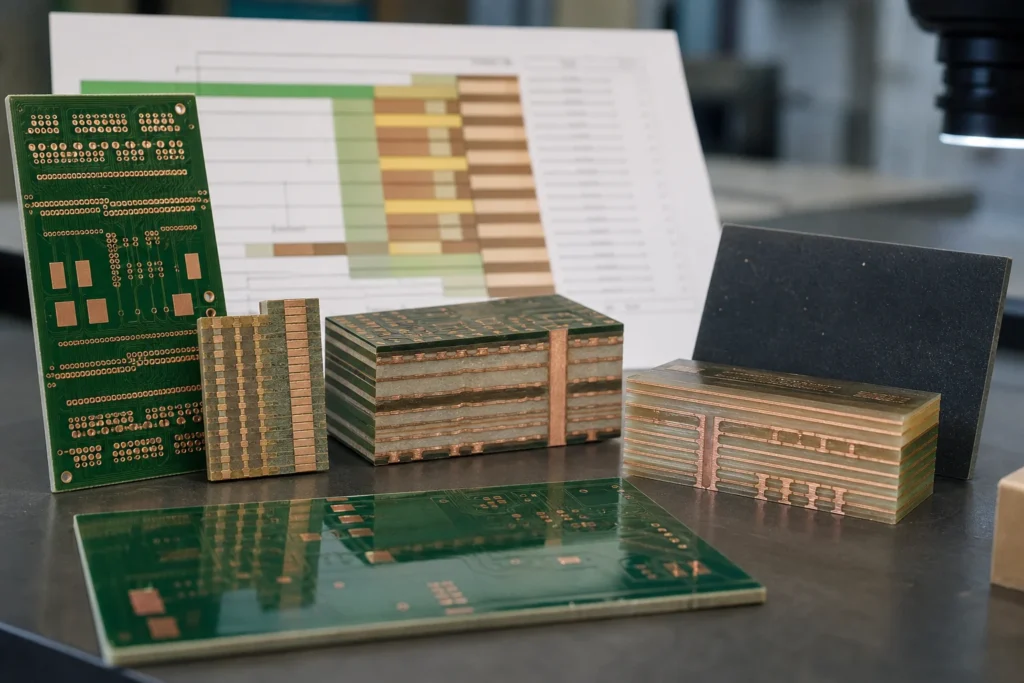
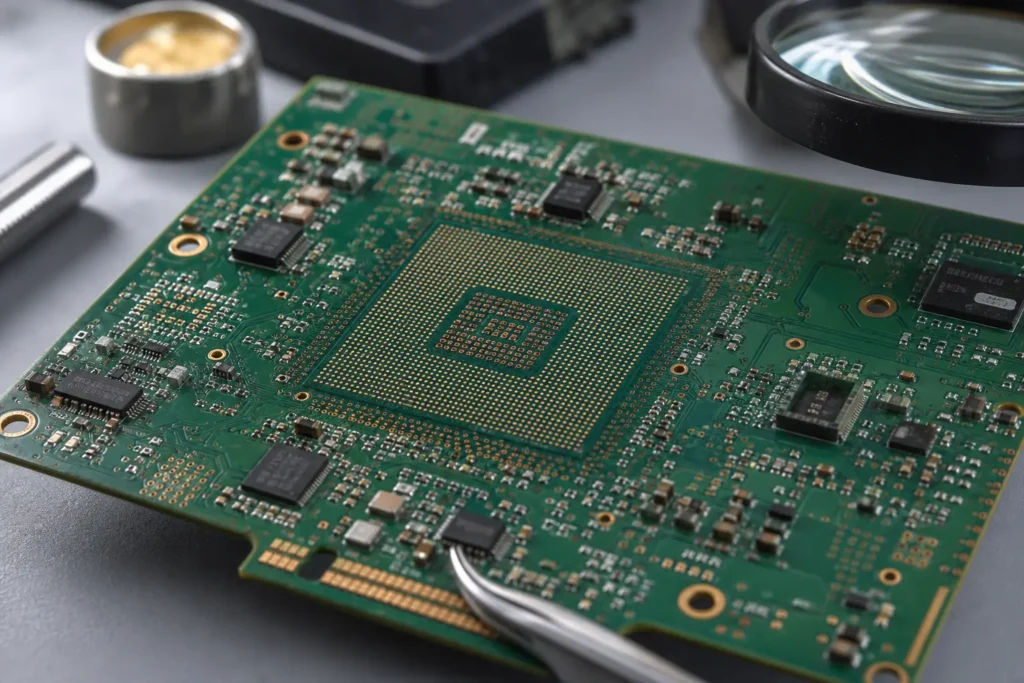
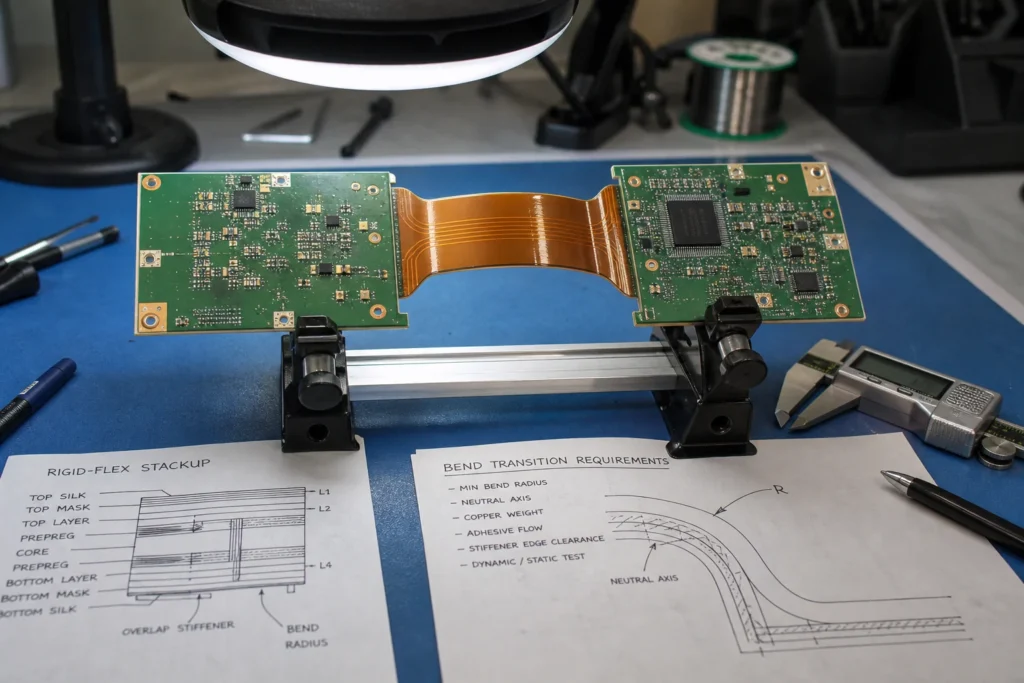
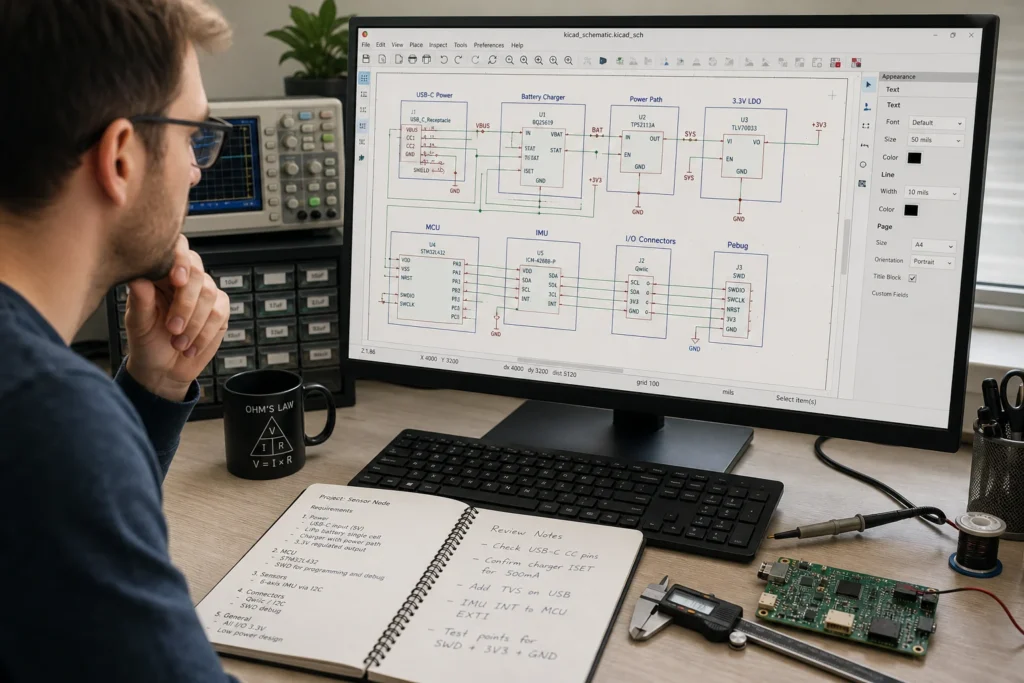
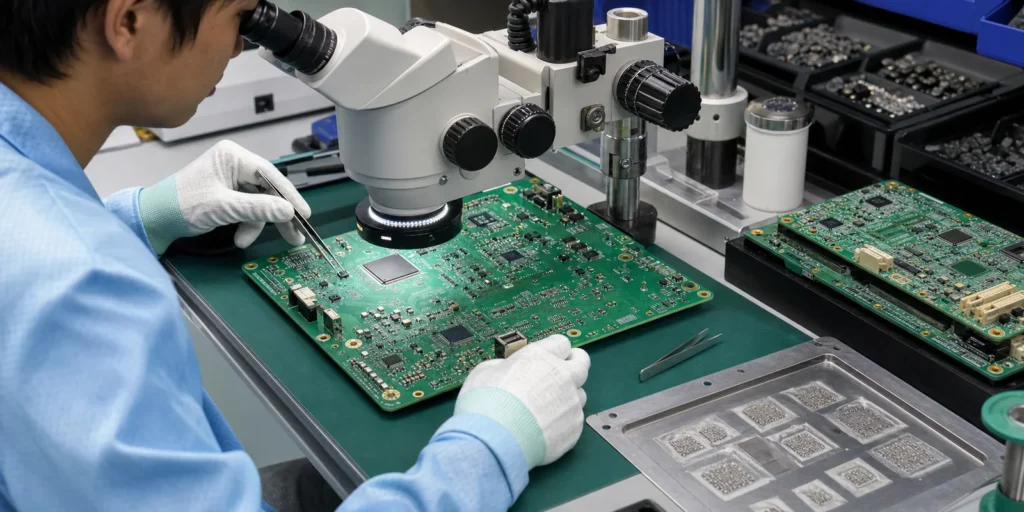
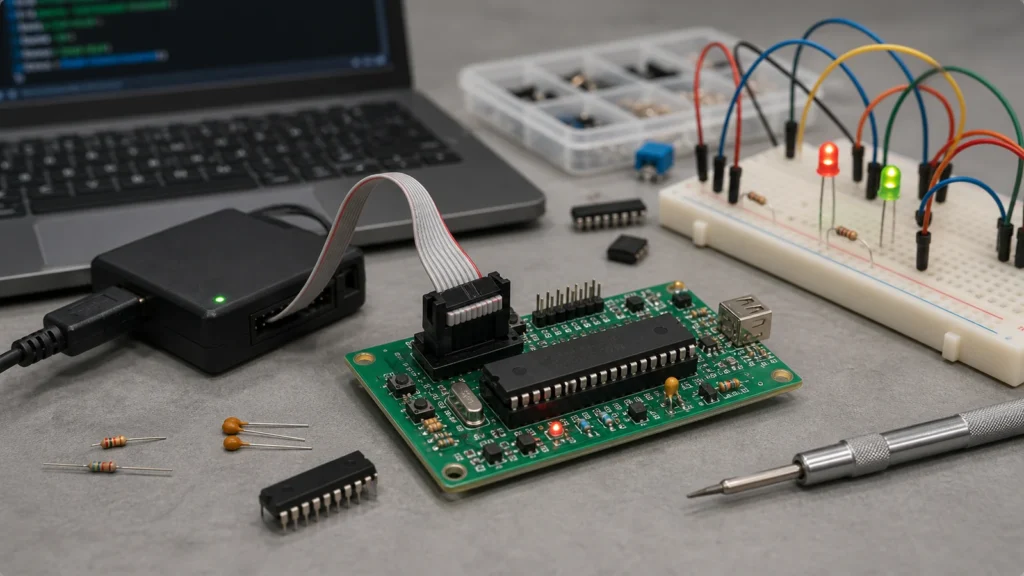
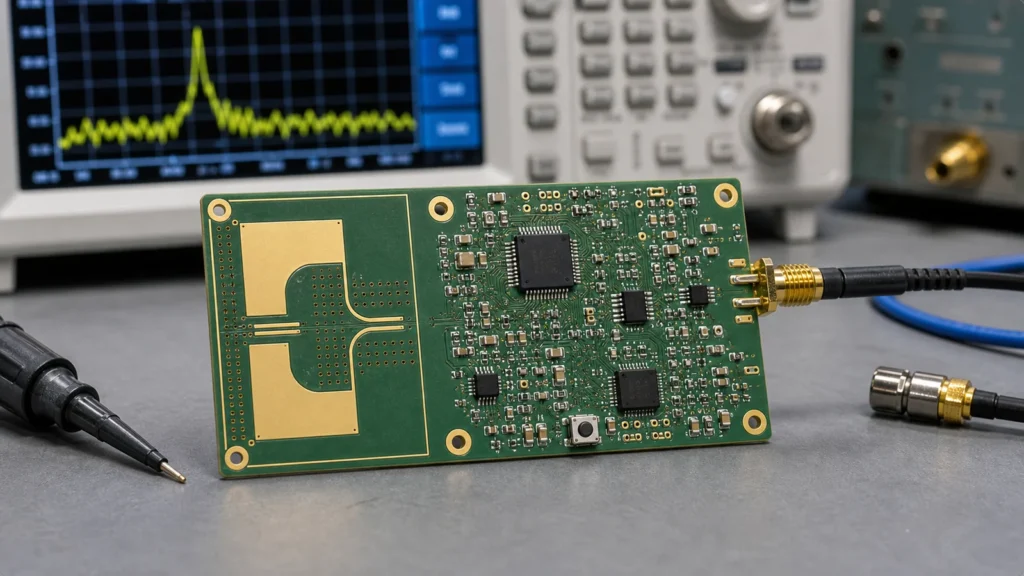
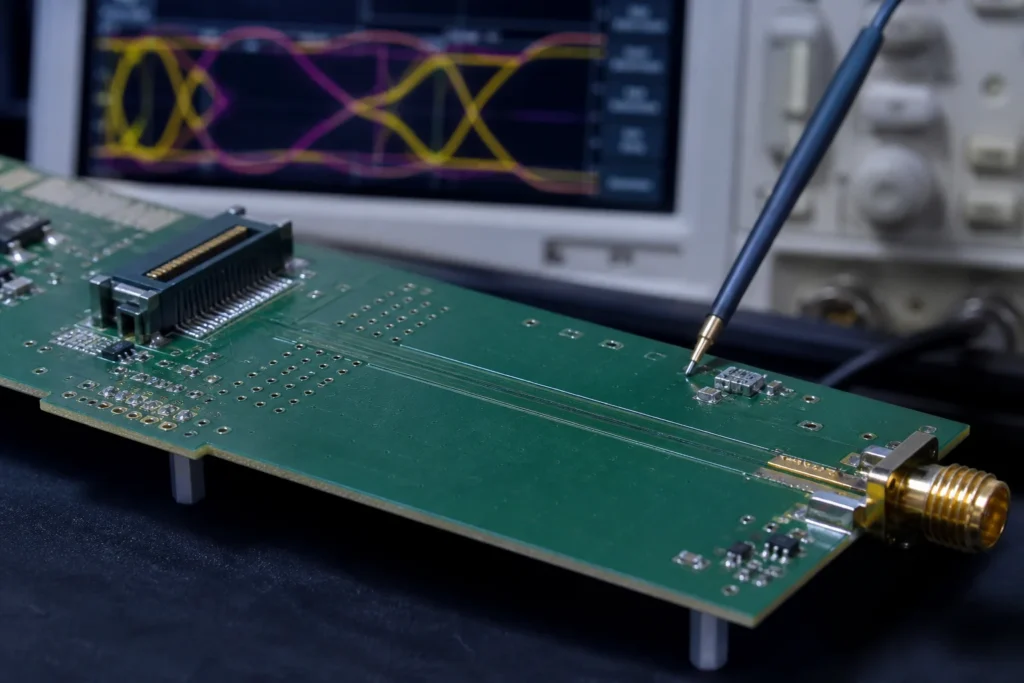
The pcb design is the process of creating a physical circuit board that can be used to power and control electronic devices. The process begins with a concept or idea, which is then converted into a schematic. Once the schematic is complete, the design is transferred to a physical board using a variety of methods, including etching, soldering, and milling. PCB design can be complex and requires a great deal of experience and knowledge to complete successfully.

PCB of temperature control for LED home appliances

PCB Design of Temperature Control for LED Home Appliances

1. Develop and design cooperation methods Software design: MCU software development and design, according to customer requirements, write the required functional software; or rewrite the software part according to the customer’s actual hardware. Schematic design: Design circuit schematics according to customer requirements. PCB design: PCB diagram can be designed according to customer schematic diagram, and

PCB Design of Temperature Control for LED Home Appliances Read More »

RTC Design

Real Time Clock Design: The Best Practices

The real time clock design (RTC Design) is a chip that provides the correct date and time even when the power is off. It’s an essential component for IoT devices, industrial automation, and other applications where accurate timekeeping is essential. With standard CMOS technology, it’s challenging to design your own RTC because all of the

Real Time Clock Design: The Best Practices Read More »

Scroll to Top

Instant Quote

Scan the code