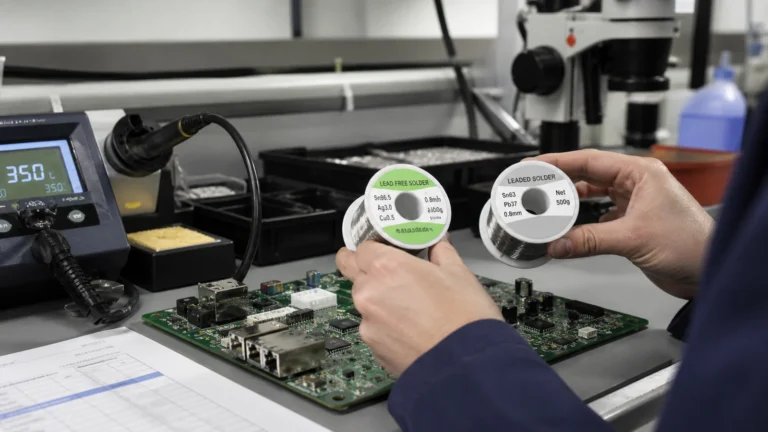
Lead Versus Lead-Free Solder in PCB Assembly Is Really a Process Decision
Lead versus lead-free solder changes reflow margin, repair behavior, compliance, and hole-fill control, so the right choice depends on the full PCB assembly lifecycle.

Lead versus lead-free solder changes reflow margin, repair behavior, compliance, and hole-fill control, so the right choice depends on the full PCB assembly lifecycle.
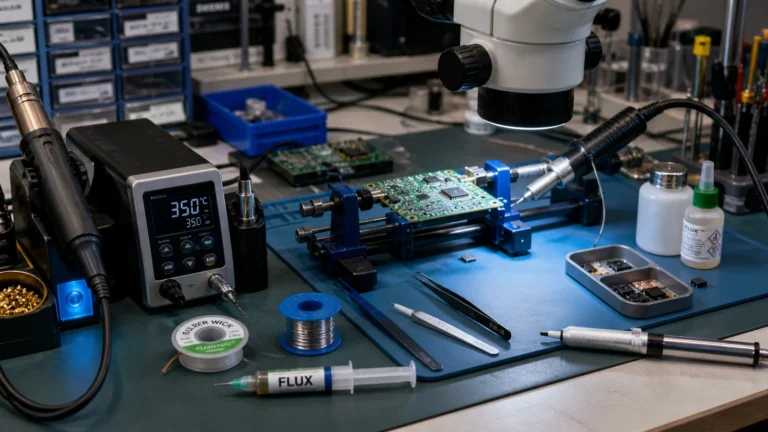
A useful soldering kit for PCB rework is built around thermal control, board handling, inspection, and cleanup, not just an iron and a spool of solder.
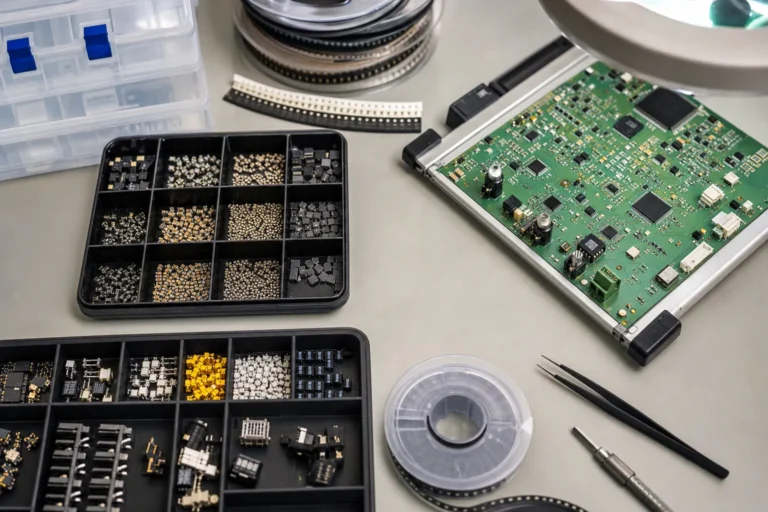
Surface mount components are the parts soldered directly onto PCB pads, but the useful question is how their packages affect placement, reflow, inspection, and rework. This guide explains the main SMT component families and the assembly risks each one introduces.
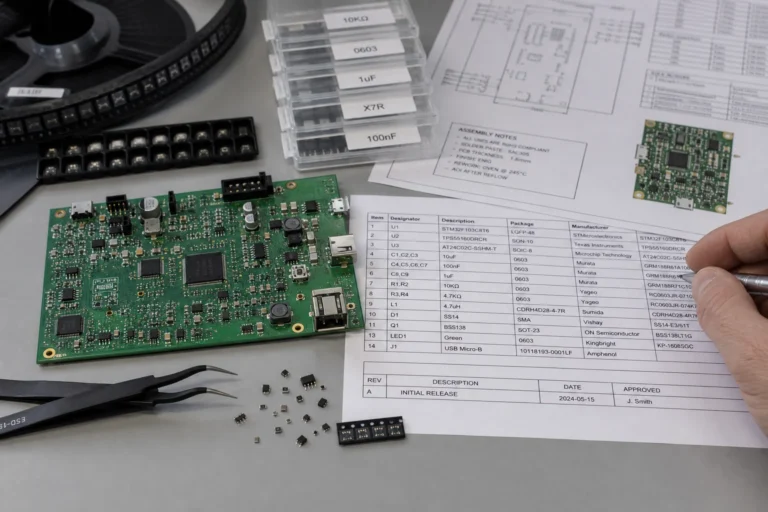
SMD and SMT are closely related, but they do not mean the same thing. This guide explains the difference between the component and the manufacturing process, where each term belongs in PCB documentation, and why mixing them up creates assembly mistakes.
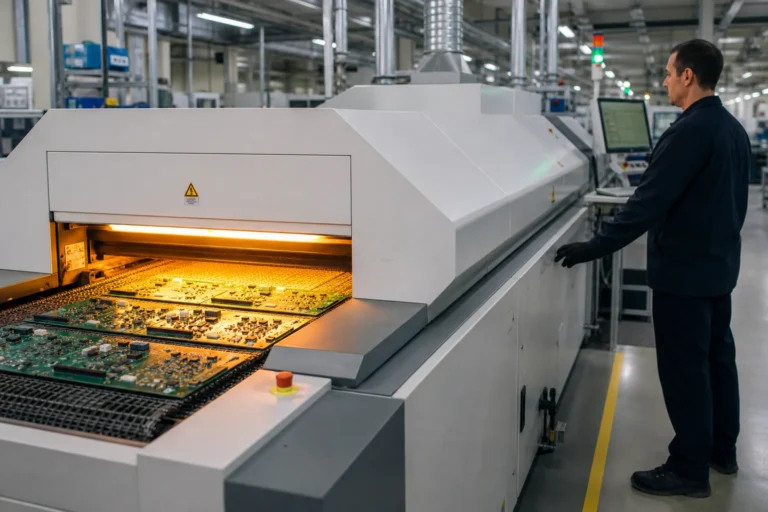
A reflow machine is only one part of a stable SMT process. This guide explains what the machine controls, which profile variables matter most, and why board design, paste deposition, and package mix still determine whether reflow stays repeatable.
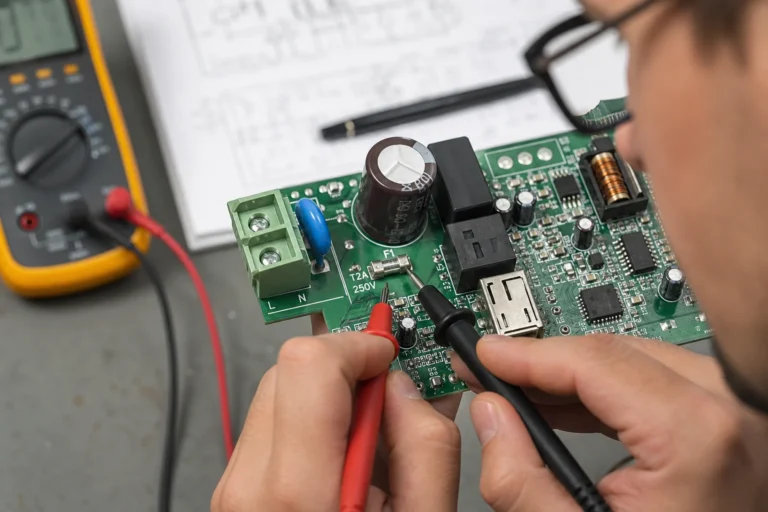
An SMT fuse is a small component with system-level consequences. This guide explains how current rating, inrush, fault energy, layout heat, and service access shape the right fuse choice on a PCB.
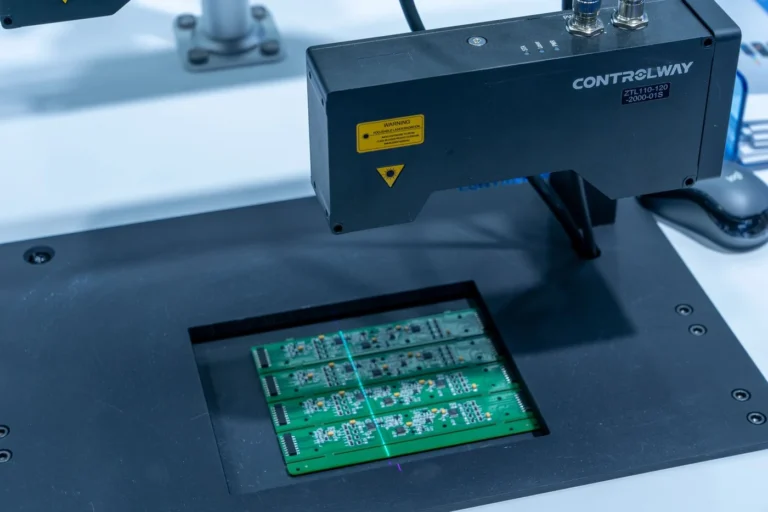
A PCB assembly house should be judged by its process window, sourcing discipline, test readiness, and change control, not only by quote price. This guide shows buyers and engineers how to compare capability before a board build turns into schedule risk.
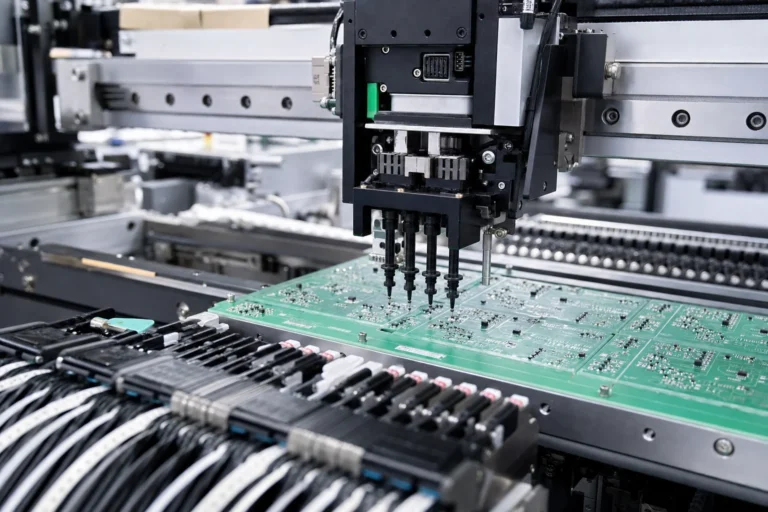
The SMT pick-and-place process is only as stable as the data, feeders, board support, and print quality behind it. This guide explains where placement accuracy is really won or lost before reflow.
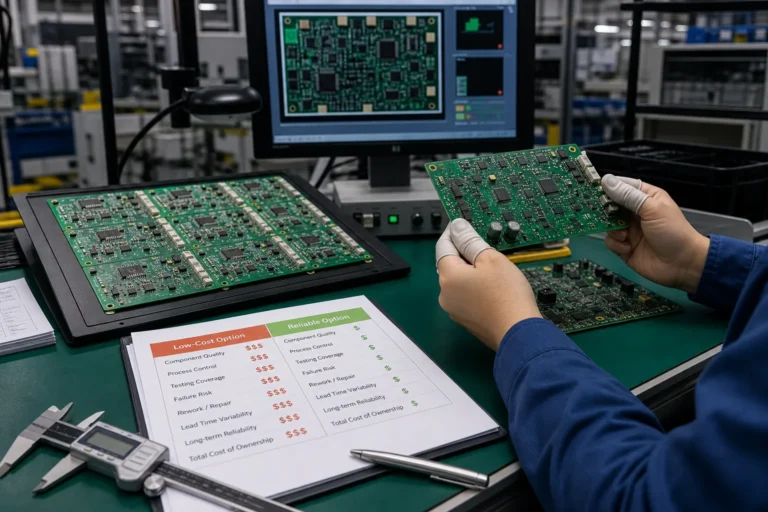
Cheap PCB assembly only stays cheap when DFM, sourcing quality, test coverage, logistics, and rework exposure are controlled together. This guide shows where low quotes usually hide engineering and supply-chain cost.
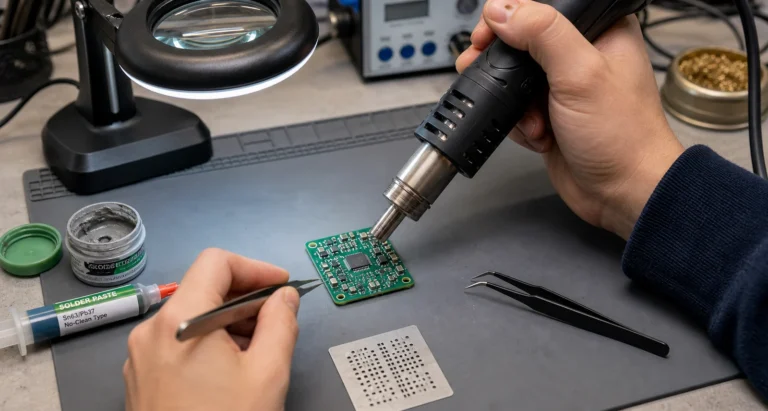
You can assemble your own PCB with solder paste and a heat gun, but only when the board, paste volume, and airflow control all fit a prototype-friendly process. This guide explains when the method works, what usually goes wrong, and how to avoid preventable rework.