How Furnace PCB Boards Work and Why They Fail
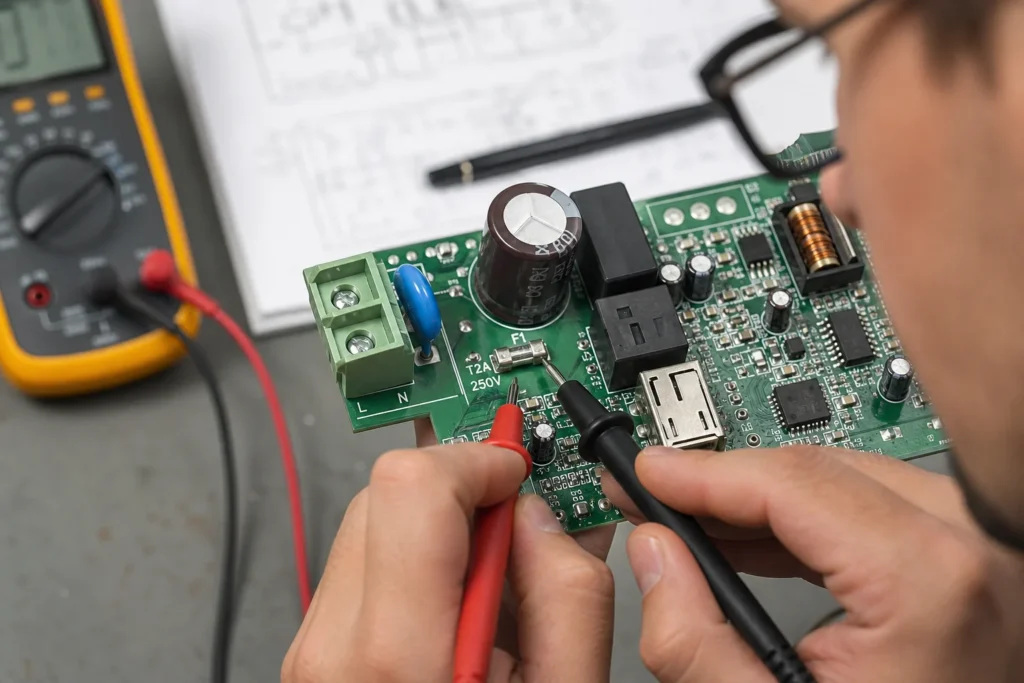
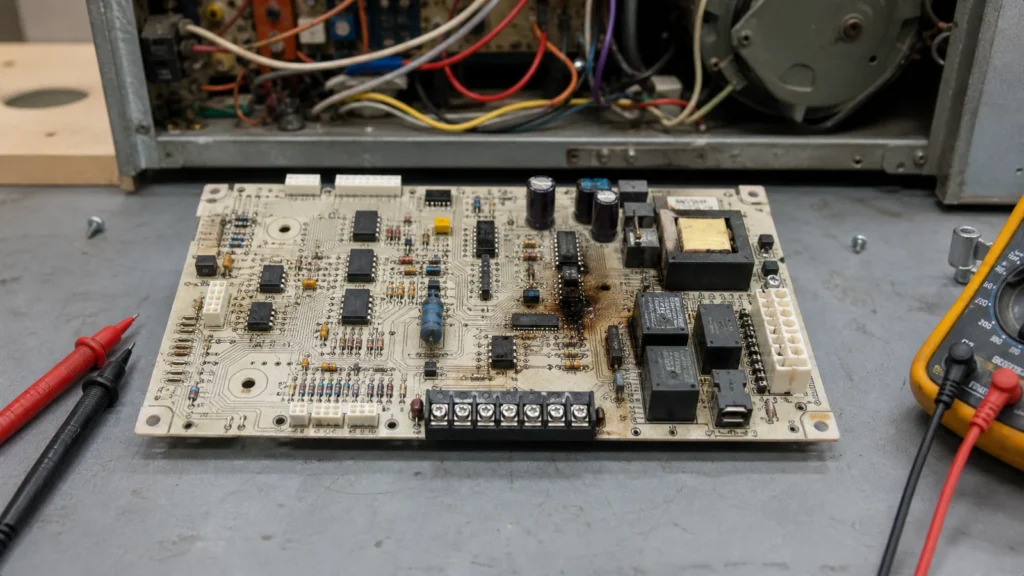
A furnace PCB board controls ignition, relays, safety inputs, and blower timing. This guide explains common symptoms and safe diagnosis basics.
A low noise amplifier (LNA) is a type of electronic amplifier used to amplify signals with very low noise. It is an essential component used in a wide range of applications, from communications to radar systems. In this article, we will explore the basics of low noise amplifiers and discuss its different types, design considerations,
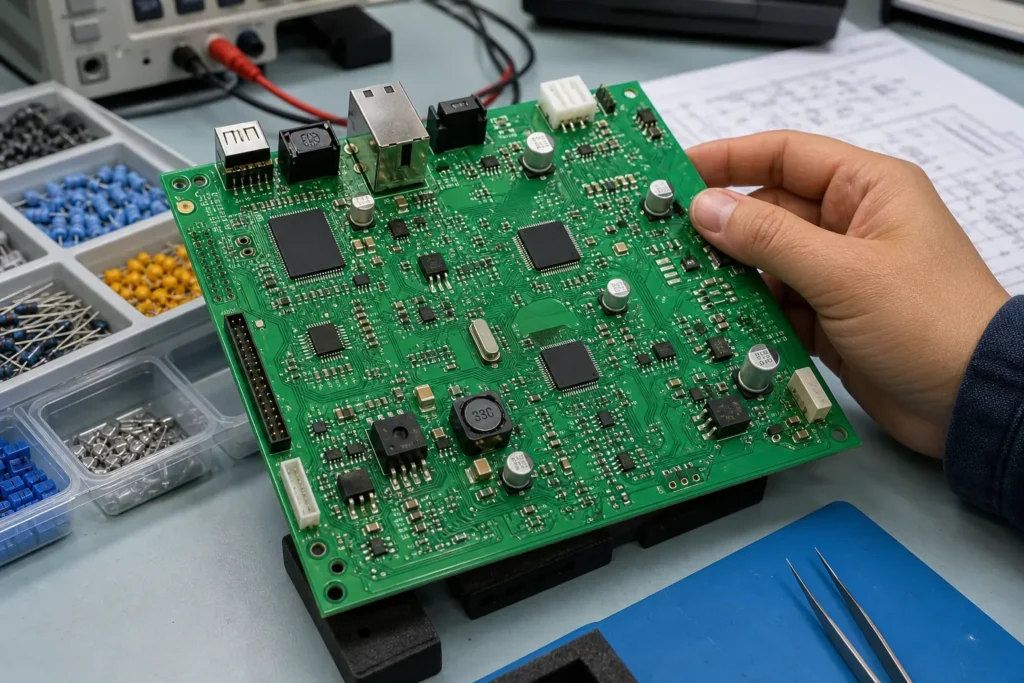
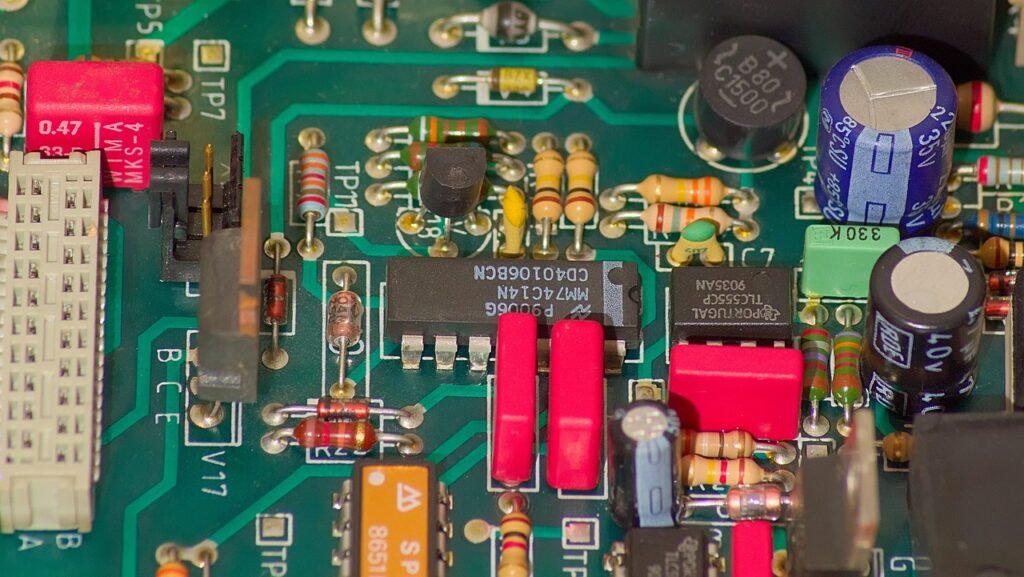
Identify 12+ PCB components: resistors, capacitors, ICs, and connectors. Functions, symbols, and best practices for placement. Essential for beginners.
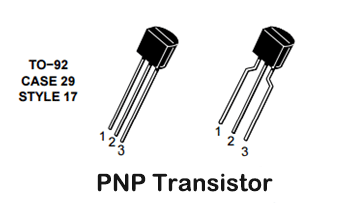
Confused about PNP transistors? Learn operation principles, biasing, and common emitter/collector configurations. Compare with NPN for circuit design. Beginner-friendly guide!
Volatile organic compound sensors: working principles, calibration, and IoT applications. Learn to integrate MQ-2/MQ-135 into air quality projects. Datasheet insights inside!
Understand LED PCBs: types (FR4, aluminum), thermal management, and soldering. Tips for LED layout and driver integration. Ideal for lighting projects. Guide here!
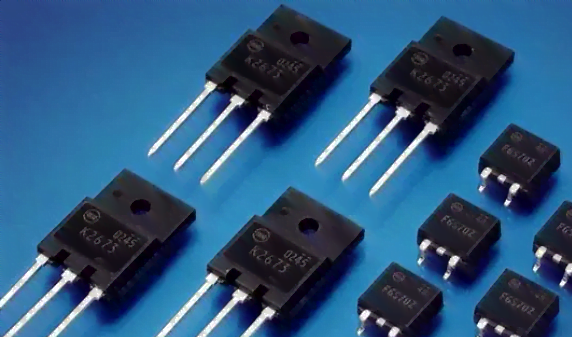
MOSFET basics: N-channel/P-channel operation, switching vs. amplifying modes, and gate drive requirements. Tips for high-power applications. Datasheet insights!
What is IGBT? IGBT stands for Insulated Gate Bipolar Transistor, which is a type of power semiconductor device that combines bipolar junction transistors (BJTs) and metal oxide semiconductor field-effect transistors (MOSFETs). IGBTs have high input impedance like MOSFETs and low voltage drop during conduction like giant transistors (GTRs). They are commonly used in applications where
BMP280 specs: altitude/temperature sensing, I2C/SPI interface, and low-power mode. Learn to connect to Arduino/STM32 for IoT projects.
2N3904 NPN transistor specs: pin configuration, voltage/current limits, and frequency testing methods. Perfect for amplifiers and switching circuits. Step-by-step breakdown!