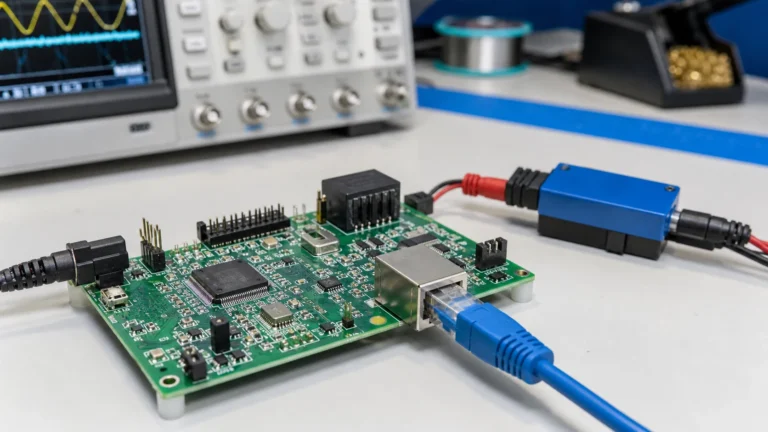
Energy Efficient Ethernet Helps Only When the PHY, Magnetics, and Firmware Agree
Energy Efficient Ethernet only earns its keep when the PHY, link partner, measurement setup, and board-level signal path all support low-power idle cleanly.

Energy Efficient Ethernet only earns its keep when the PHY, link partner, measurement setup, and board-level signal path all support low-power idle cleanly.
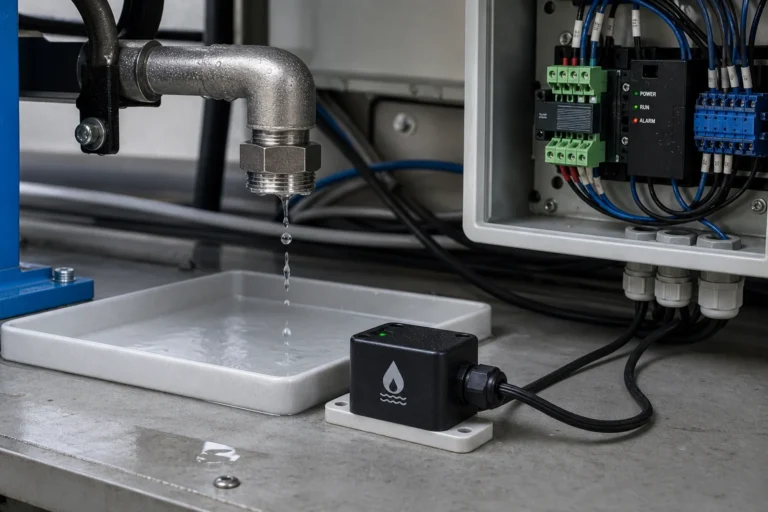
A water leak sensor works reliably only when probe corrosion, false alarms, placement, debounce, and shutoff logic are planned before release.
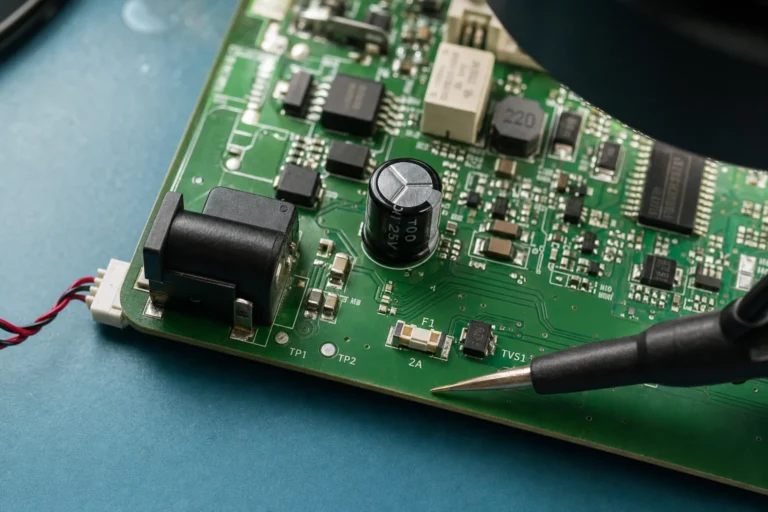
An SMT fuse can protect a PCB only if its interrupt rating, I2t, package, and placement match the real fault path. This guide explains how to choose, place, inspect, and troubleshoot a surface-mount fuse in power-input and subsystem designs.
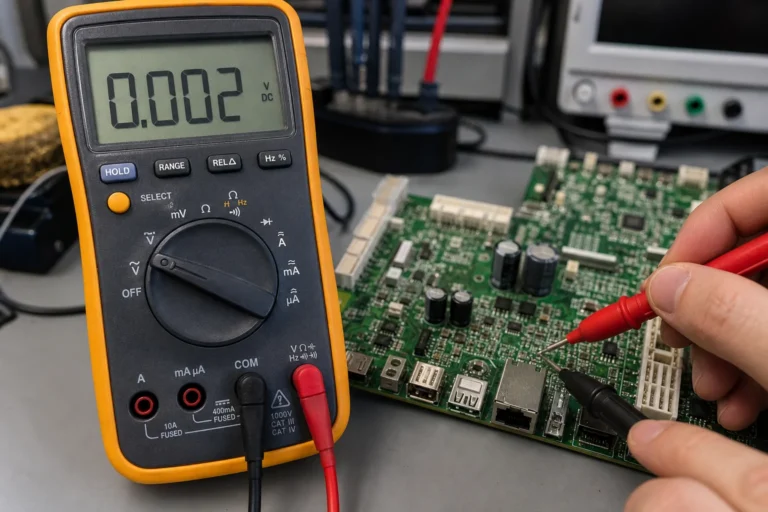
Multimeter symbols only look obvious until a wrong dial setting leads to a bad board diagnosis. This guide explains continuity, diode, resistance, AC, and DC symbols in a practical PCB troubleshooting context.
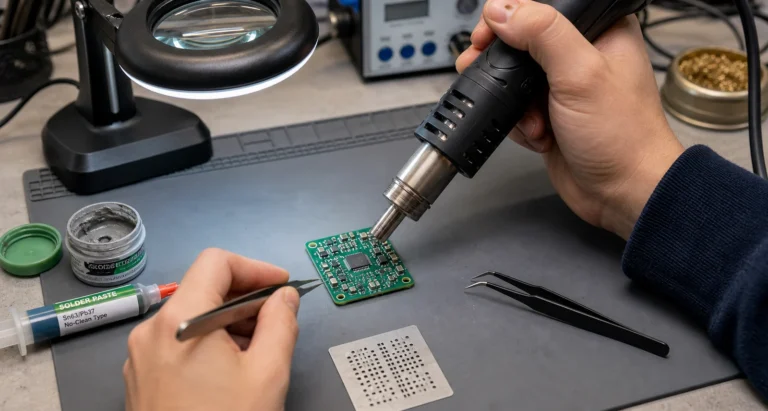
You can assemble your own PCB with solder paste and a heat gun, but only when the board, paste volume, and airflow control all fit a prototype-friendly process. This guide explains when the method works, what usually goes wrong, and how to avoid preventable rework.
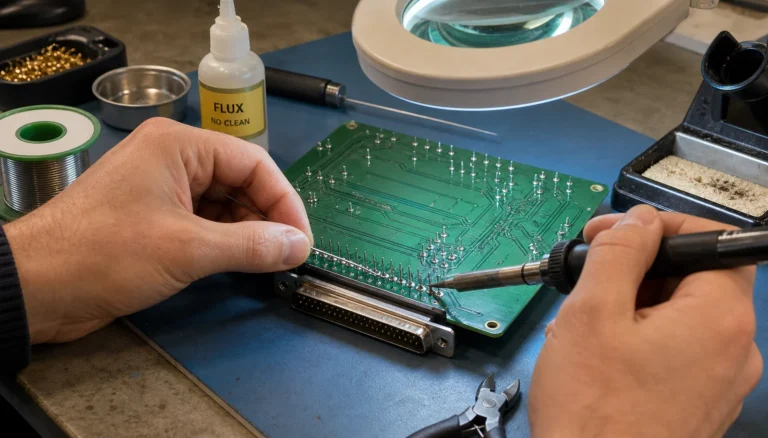
The best through hole soldering tricks come down to controlled heat, proper solder volume, and better inspection of plated barrels. This guide explains how to avoid weak joints, lifted pads, and rework damage on real PCB assemblies.
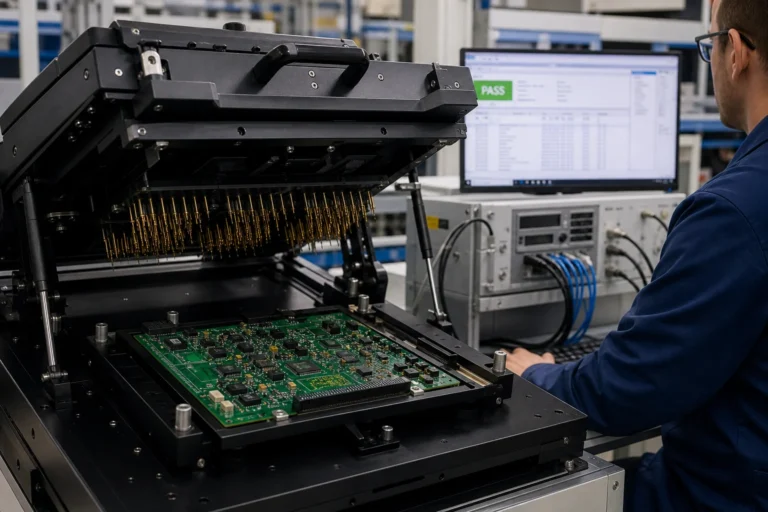
ATE can accelerate PCBA testing, but only when the fixture, measurements, and pass-fail logic are built around real failure modes. Functional coverage has to be defined before automation is worth the effort.
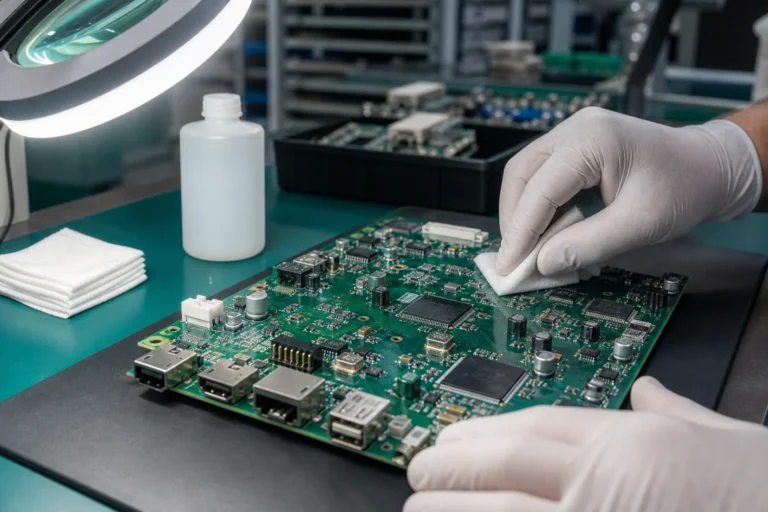
PCB assembly cleaning should be decided by flux residue, electrical sensitivity, humidity exposure, and coating risk. A clean-looking board is not always safe, and washing the wrong assembly can create new reliability problems.
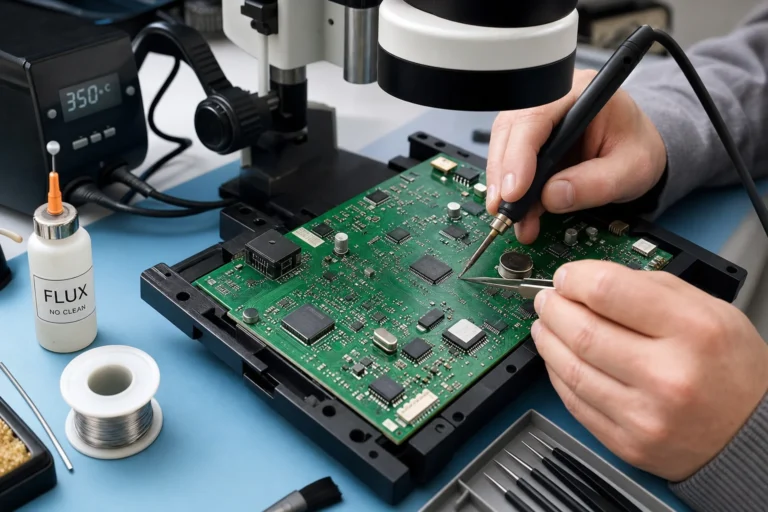
Surface mount soldering works best when package choice, heat balance, flux control, and inspection are planned together. This guide explains how to solder SMT parts without creating solder bridges, lifted pads, or hidden rework damage.
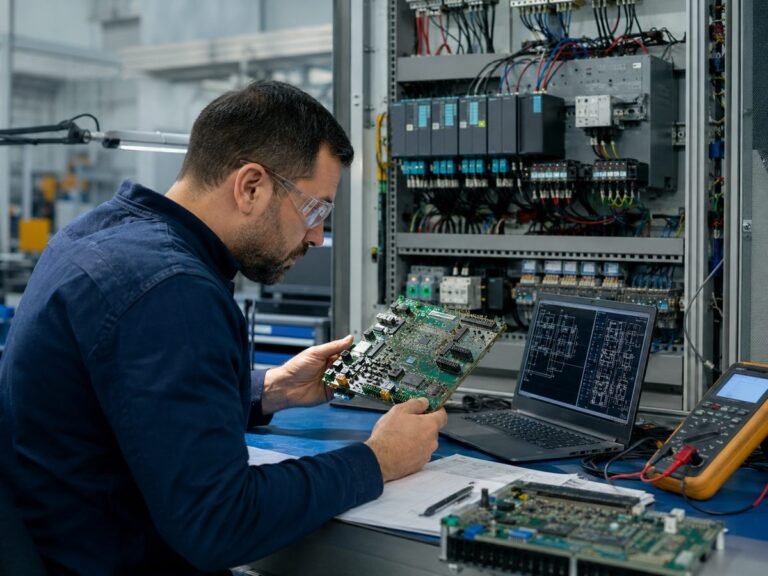
PCB reverse engineering helps maintenance teams recover lost schematics, reproduce obsolete control boards, and keep industrial equipment running longer.