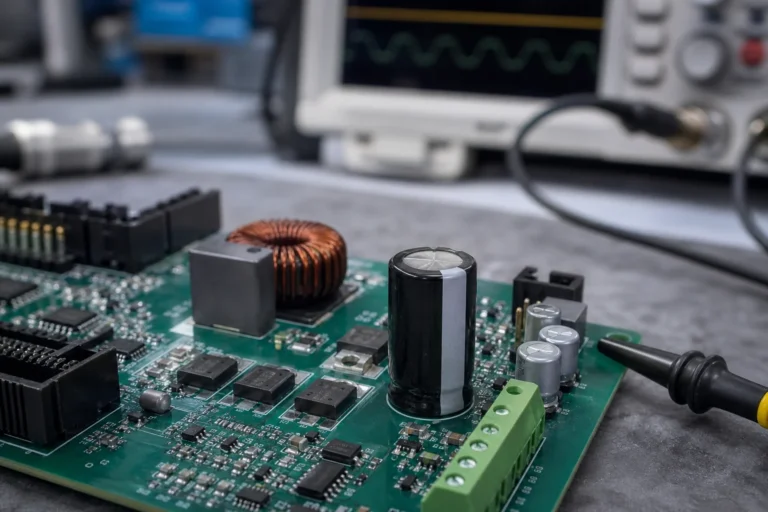
How to Choose an Electrolytic Capacitor for a PCB Power Stage
Learn how to choose an electrolytic capacitor for PCB power stages by checking ripple current, ESR, temperature, package layout, and the failure modes that cause repeat board repairs.

Learn how to choose an electrolytic capacitor for PCB power stages by checking ripple current, ESR, temperature, package layout, and the failure modes that cause repeat board repairs.
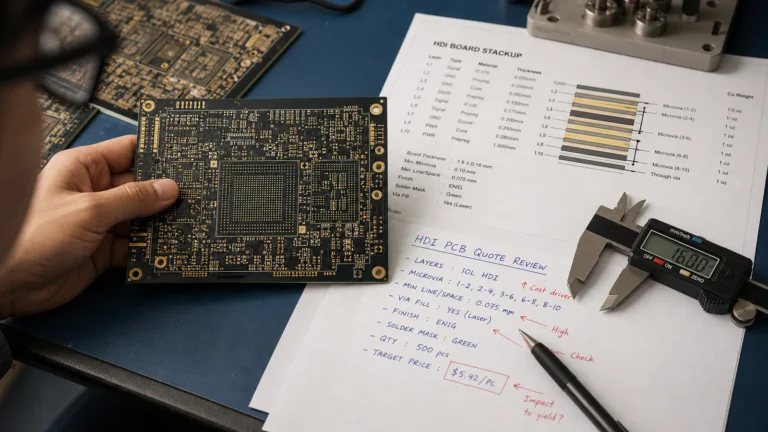
HDI PCB cost is driven by microvia structure, lamination count, imaging limits, inspection burden, and assembly risk long before a supplier sends the final quote.
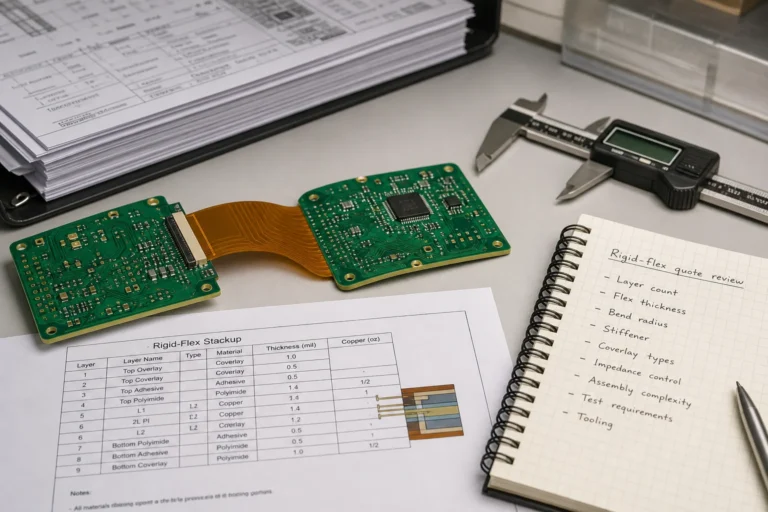
Rigid-flex PCB cost is driven by bend-zone rules, materials, lamination cycles, stiffeners, yield risk, and quote details that ordinary multilayer pricing does not capture.
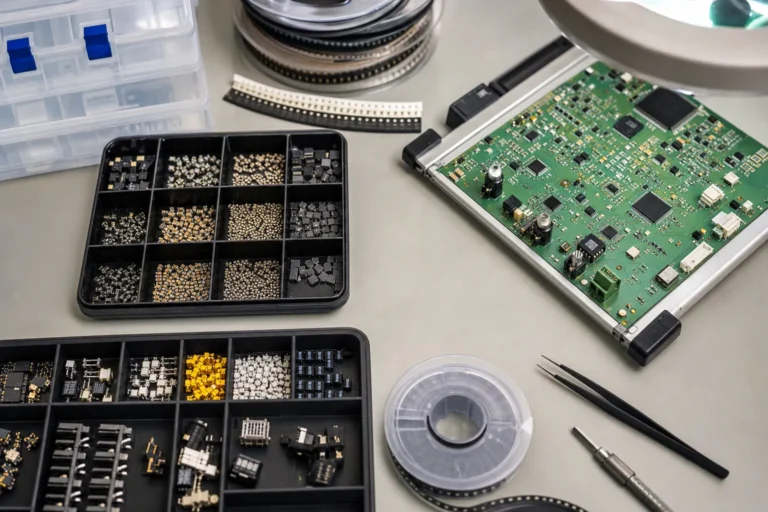
Surface mount components are the parts soldered directly onto PCB pads, but the useful question is how their packages affect placement, reflow, inspection, and rework. This guide explains the main SMT component families and the assembly risks each one introduces.
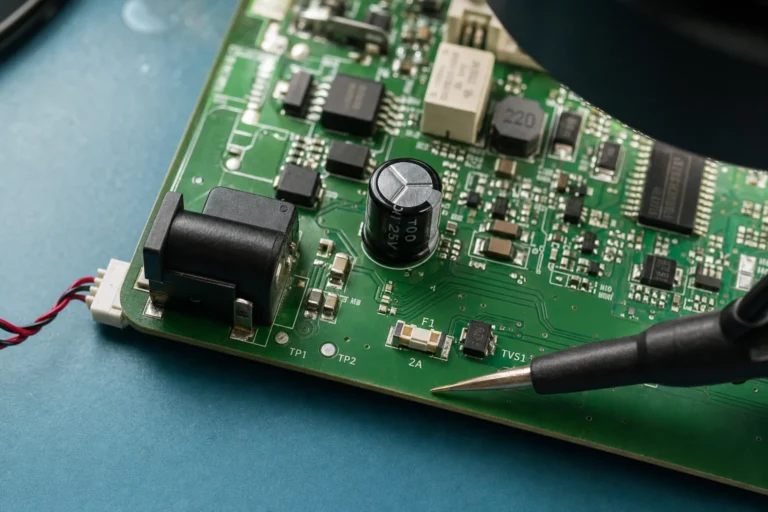
An SMT fuse can protect a PCB only if its interrupt rating, I2t, package, and placement match the real fault path. This guide explains how to choose, place, inspect, and troubleshoot a surface-mount fuse in power-input and subsystem designs.
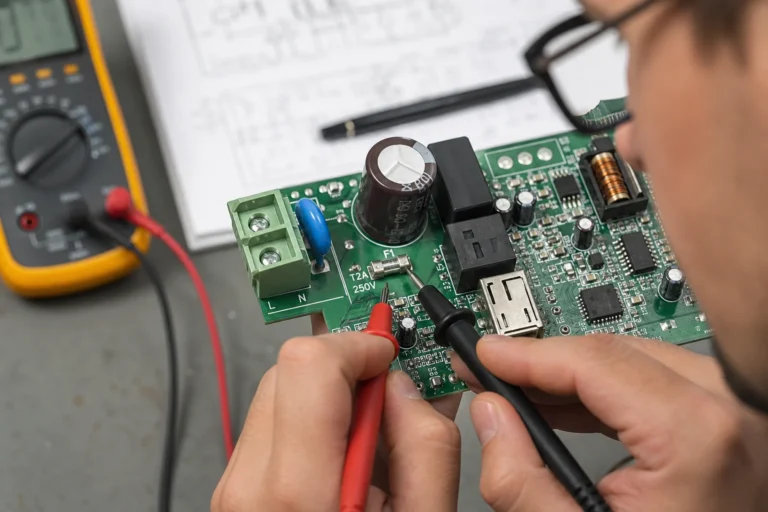
An SMT fuse is a small component with system-level consequences. This guide explains how current rating, inrush, fault energy, layout heat, and service access shape the right fuse choice on a PCB.
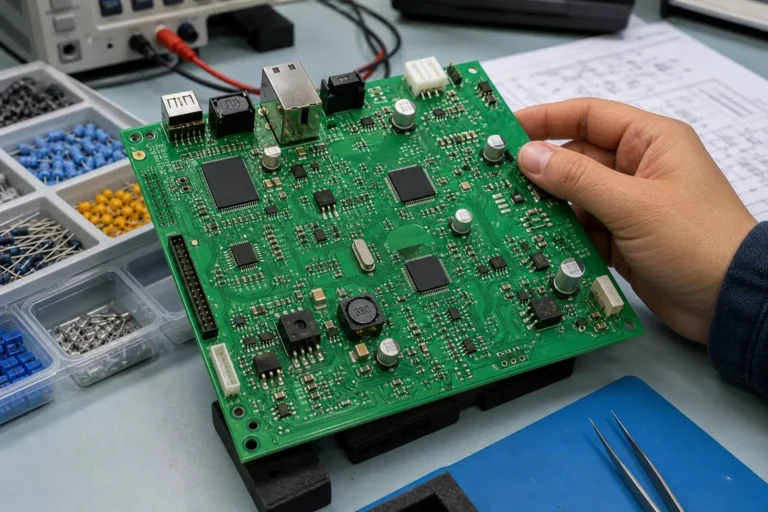
Common components on a PCBA include passives, ICs, connectors, and protection parts, but the real issue is how package mix affects assembly, inspection, and test. This guide explains what a PCBA contains and why those components matter after soldering.
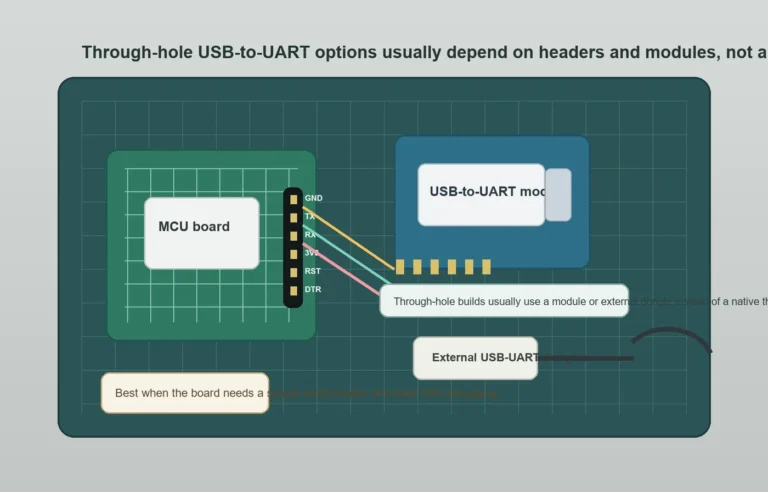
A CP2102 through-hole IC is usually not what hand-assembled boards actually need. This guide explains when a header, a plug-in module, or an on-board SMT bridge is the better USB-to-UART choice for reliable serial access.
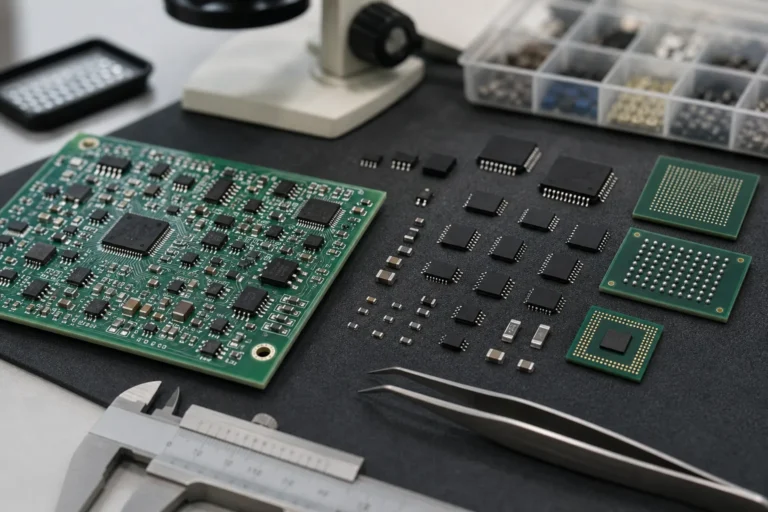
A surface mount device is not just an electrical part number. Package pitch, thermal pad style, lead shape, and inspection access all affect manufacturability, rework, and yield.
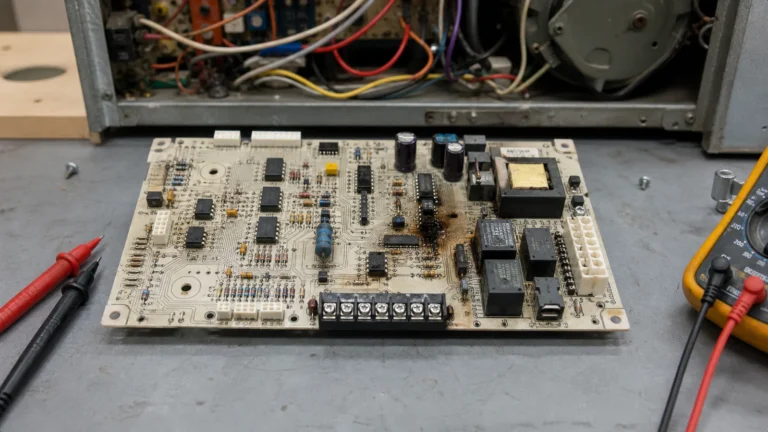
A furnace PCB board controls ignition, relays, safety inputs, and blower timing. This guide explains common symptoms and safe diagnosis basics.