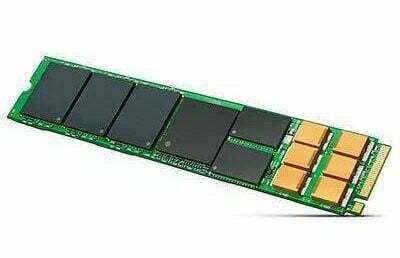
Flash Memory Guide: Types & Applications
Understand NAND/NOR flash memory: storage mechanisms, speeds, and embedded uses. Tips for selecting memory chips for your design. Comprehensive guide here!

Understand NAND/NOR flash memory: storage mechanisms, speeds, and embedded uses. Tips for selecting memory chips for your design. Comprehensive guide here!
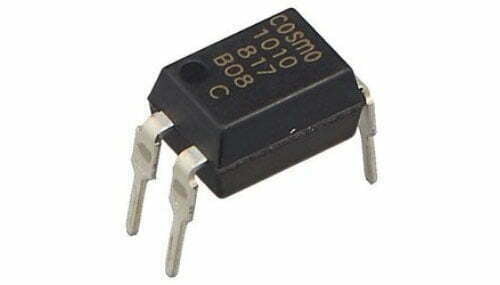
PC817 Introduction PC817 photocoupler is an electronic component used for isolation amplification and signal transmission in various applications. It is a type of optocoupler that consists of an infrared light-emitting diode (LED) and a phototransistor or photodiode, enclosed in a single compact package. The LED emits light, which is then detected by the phototransistor or

Choose PCB connectors: pin headers, FPC, and circular types. Tips for durability, current rating, and layout. Critical for reliable system integration. Guide inside!
Electrical circuit assembly is a complex process, but it can be broken down into understandable steps. Knowing the basics of how to assemble the circuit board components of an electrical circuit can save you time and money, especially when it comes to wiring and troubleshooting. This guide will walk you through the steps of assembling
How to Assemble the Components of a Given Electrical Circuit? Read More »
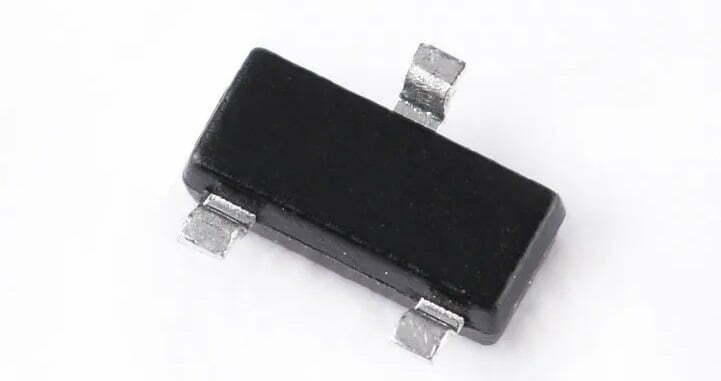
MMBT3904 NPN surface-mount transistor: pinout, SOT-23 package specs, and electrical characteristics. Tips for high-frequency applications.

Erasable PROM basics: programming, UV erasure, and use in legacy systems. Learn differences from EEPROM. Essential for retro hardware projects. Guide inside!

BC547 NPN transistor specs: current gain, voltage limits, and biasing techniques. Ideal for small-signal amplification. Project examples and datasheet summary!

CMOS, or Complementary Metal Oxide Semiconductor, is a crucial component in various electronic devices, particularly in computers. This article aims to provide a comprehensive understanding of CMOS, its history, functions, applications, and related concepts. Introduction to CMOS What is CMOS? CMOS stands for Complementary Metal Oxide Semiconductor, a technology that utilizes pairs of p-type and
CMOS Technology: History, Manufacturing Process, Application Read More »
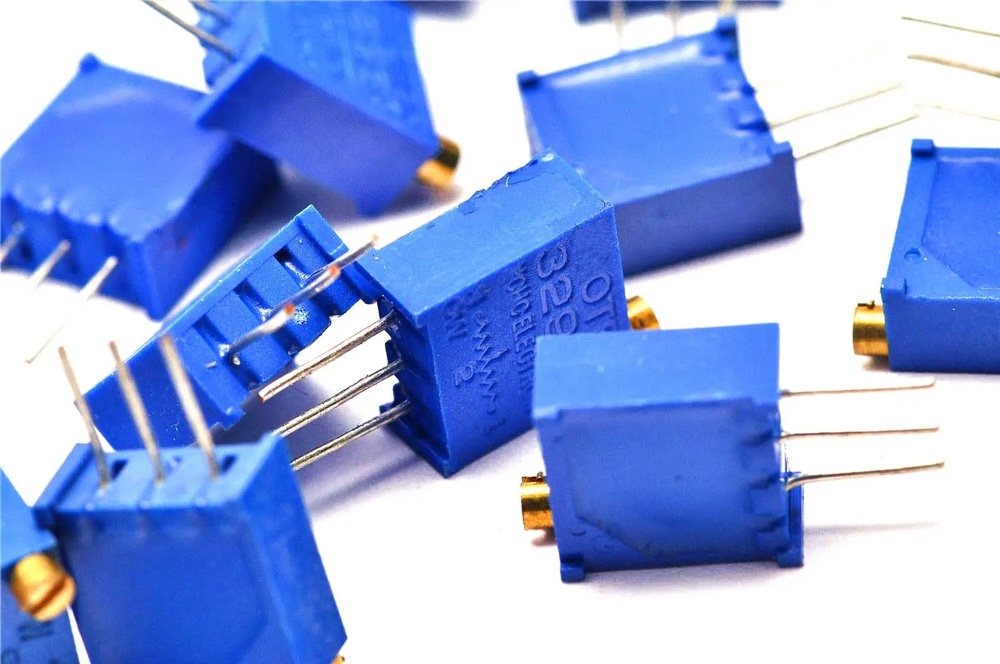
Potentiometers offer several advantages, including simple design, low cost, a wide resistance range, ease of operation, and mature technology. As reliable devices, they control, measure, and accurately sense voltage in electronic and electrical systems through linear or rotational motion. In practical applications, it’s essential to understand the technical parameters of potentiometers to select and use
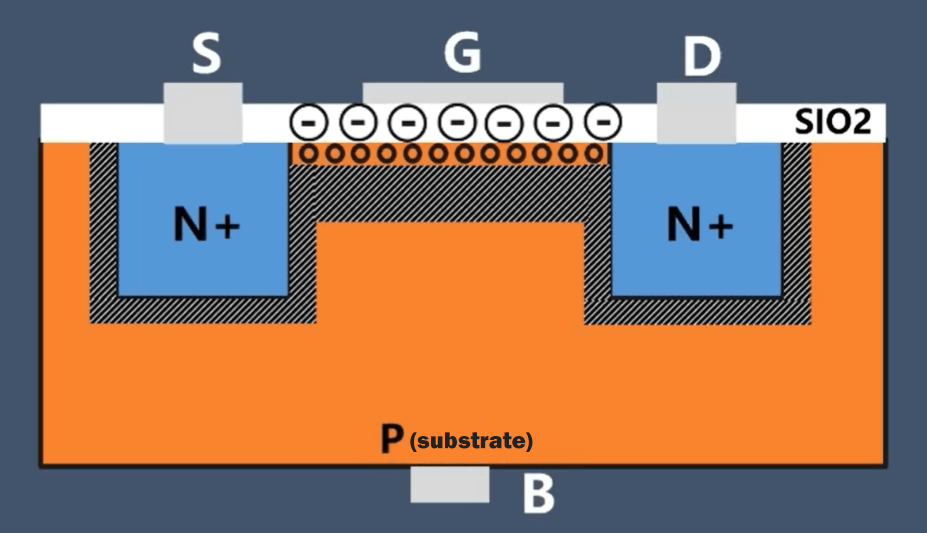
PMOS field-effect transistors: operation principles, voltage requirements, and logic circuit design. Learn how to use them in switching applications. Beginner’s guide!