Aidan Taylor

Hi, i’am Aidan Taylor, and is serving in the field of PCB Reverse Engineer, PCB design engineer, and PCB assembly technician. We have more than 10 years of experience in the PCB industry.

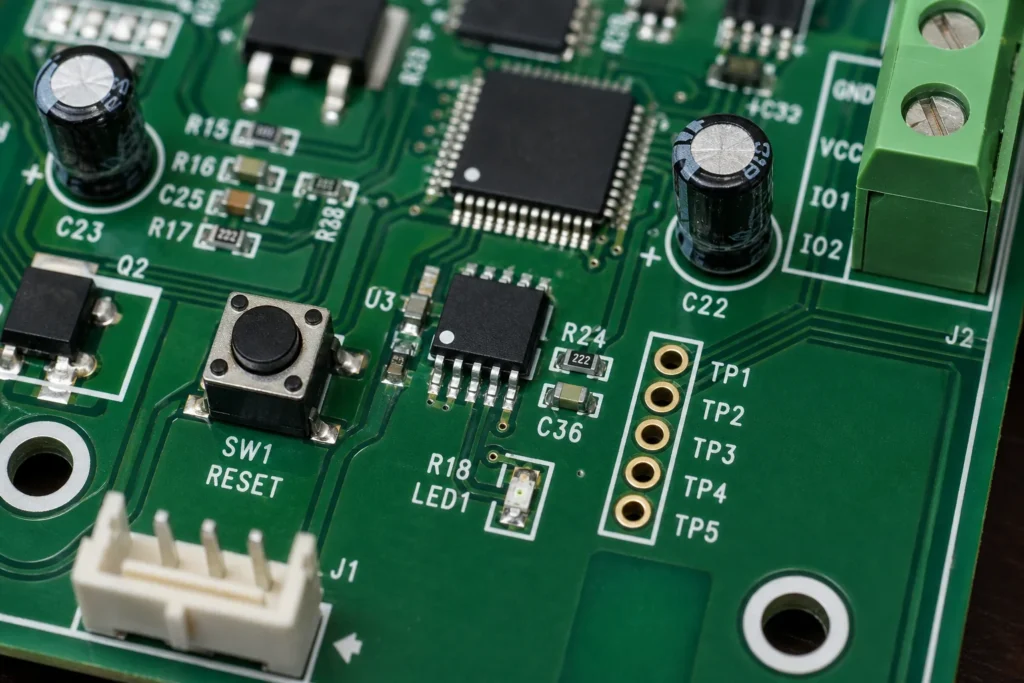
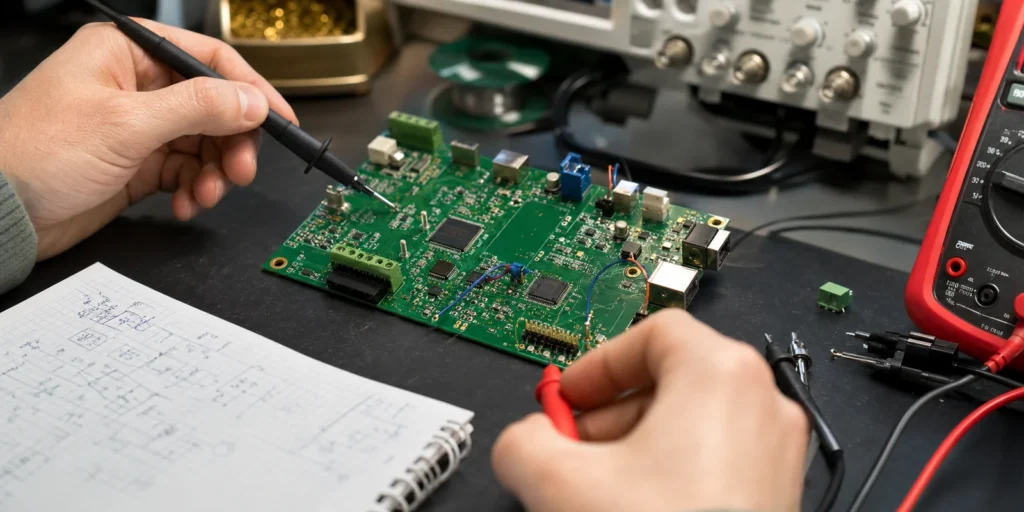
Macro view of a printed circuit board with clear silkscreen labels, polarity marks, and test-point names

PCB Silkscreen Rules That Prevent Assembly Confusion and Field-Service Mistakes

PCB silkscreen is not cosmetic when reference designators, polarity, test points, and connector labels have to stay readable after assembly. This guide shows what to print, what to leave out, and where silkscreen mistakes create real manufacturing trouble.

PCB Silkscreen Rules That Prevent Assembly Confusion and Field-Service Mistakes Read More »

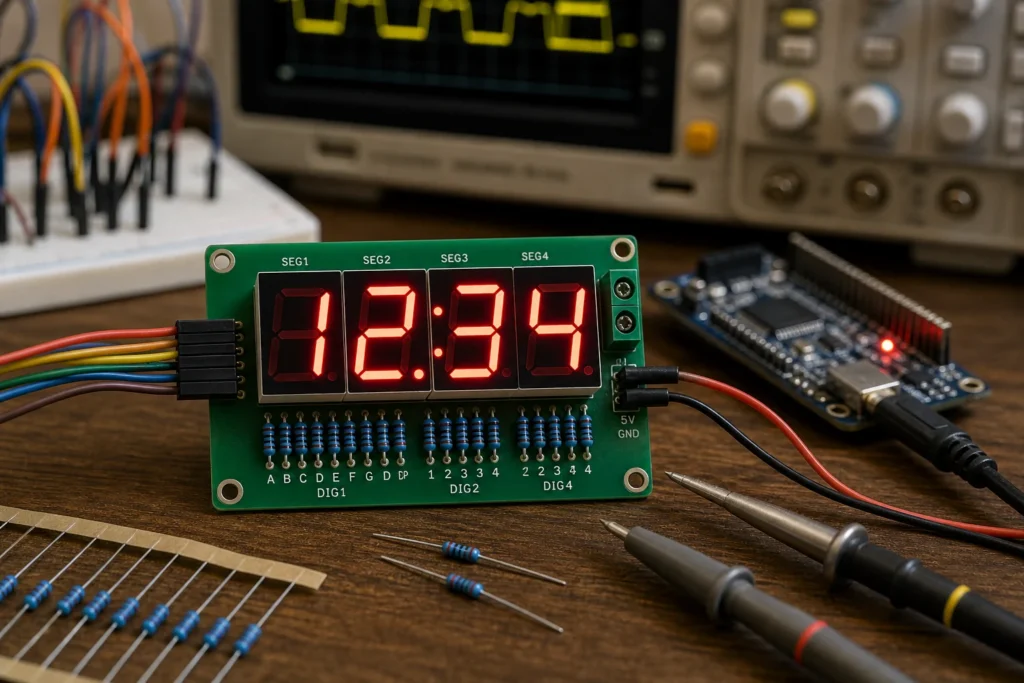
Illuminated seven segment display module on a test PCB with probes, resistors, and microcontroller nearby

Seven Segment Indicators Stop Looking Simple Once the Driver Is Real

A seven segment indicator is easy to recognize, but the real design work starts with current limiting, common-anode versus common-cathode wiring, multiplex timing, and driver headroom. This guide explains what matters when the display has to work on an actual PCB.

Seven Segment Indicators Stop Looking Simple Once the Driver Is Real Read More »

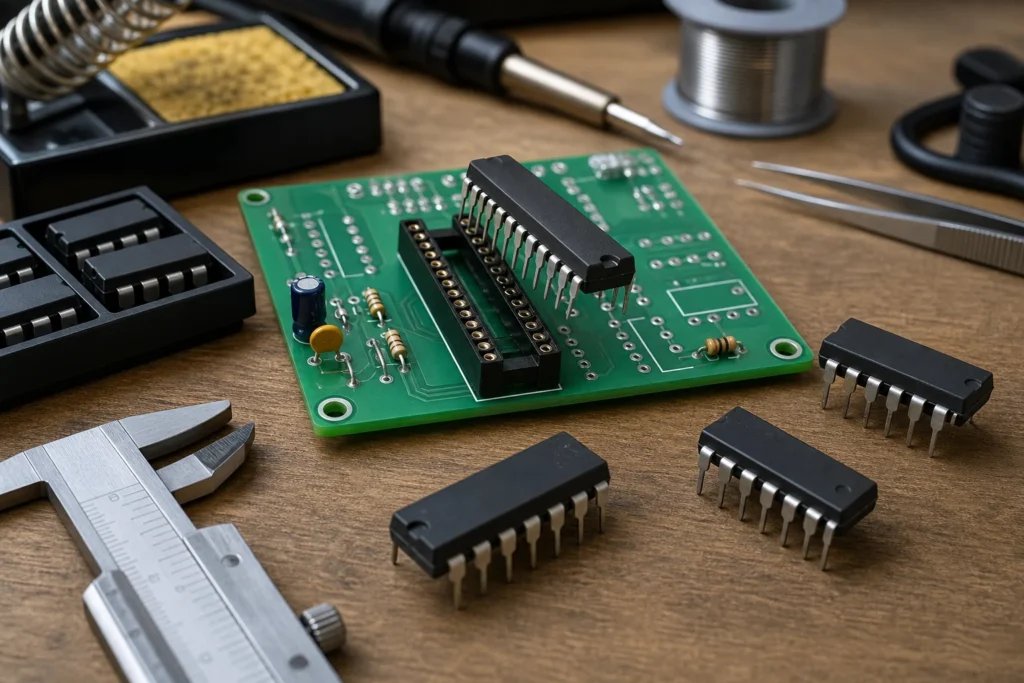
Dual inline package ICs beside a socketed through-hole PCB on an electronics workbench

Dual Inline Package Meaning Gets Practical When PCB Serviceability Still Matters

Dual inline package meaning is easy to define, but the useful question is why a DIP still appears on some boards. This guide explains what the package is, when socketing and repairability make sense, and where board density and assembly cost push designs toward SMT instead.

Dual Inline Package Meaning Gets Practical When PCB Serviceability Still Matters Read More »

Scroll to Top

Instant Quote

Scan the code