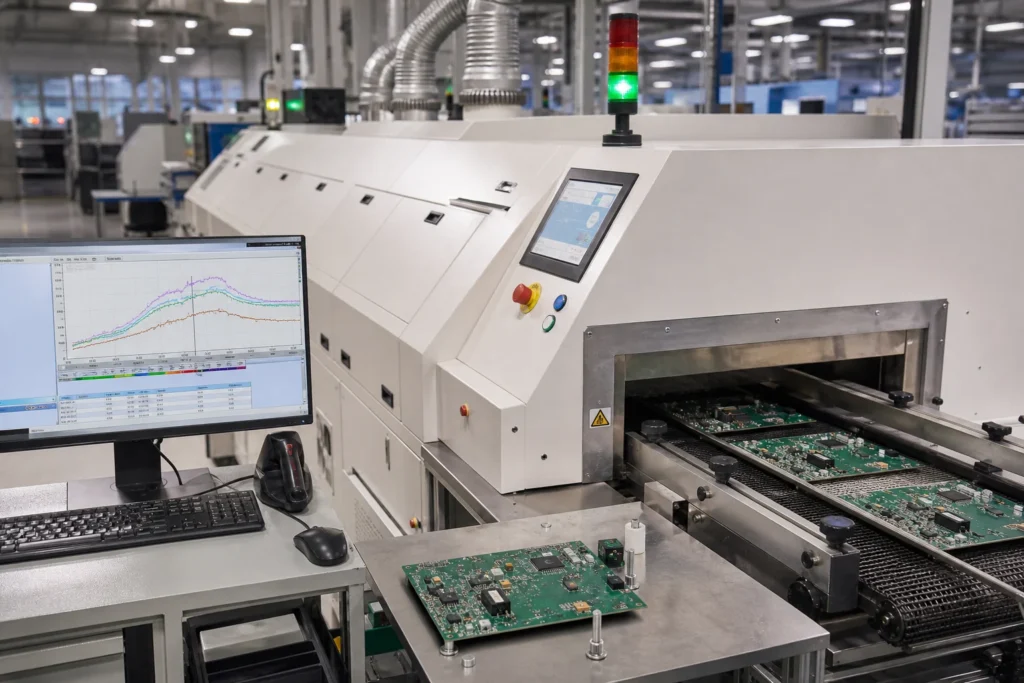
A convection reflow oven is not just a heated tunnel at the end of an SMT line. It is the place where paste volume, component mass, copper balance, and board support all meet the real thermal limits of the assembly. If the oven cannot hold a repeatable profile, earlier process steps that looked acceptable on paper can still turn into tombstoning, head-in-pillow joints, scorched flux residue, or unstable wetting from lot to lot.
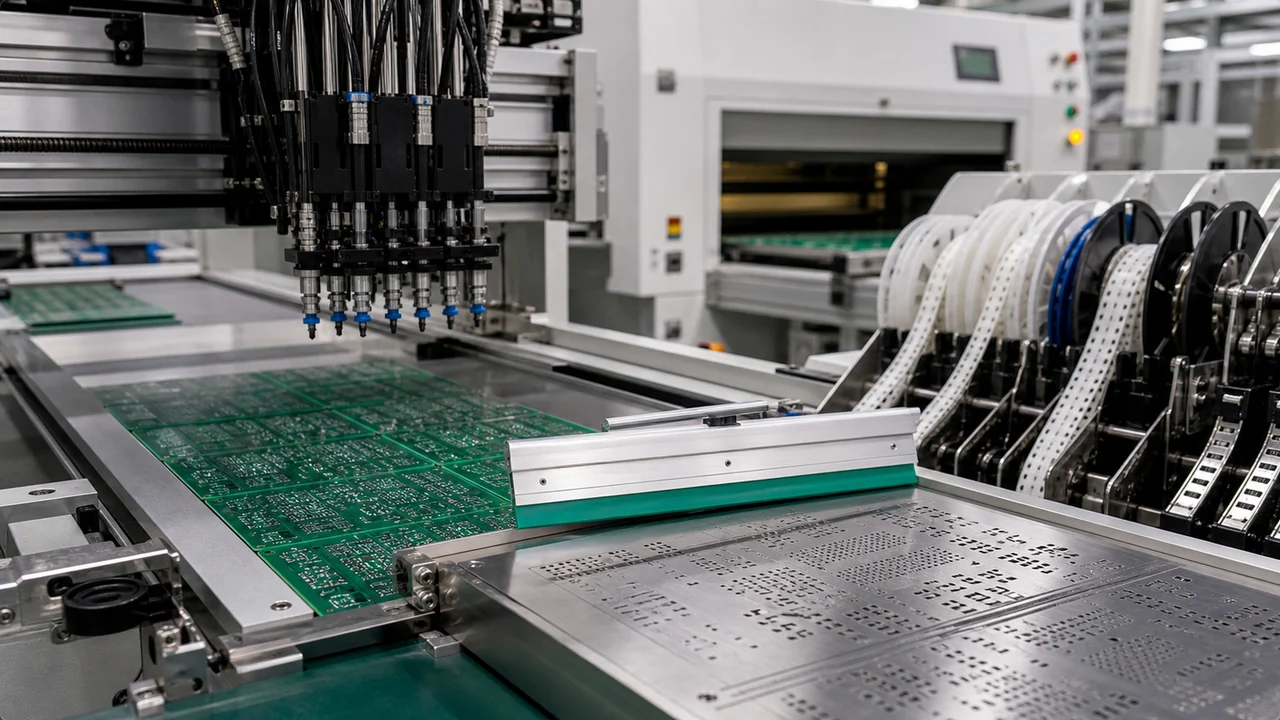
That is why choosing a reflow machine should start with profile stability, not brochure speed. Engineers usually care less about the marketing claim attached to the oven than about whether the same board family can pass first article validation, survive changeovers, and keep solder joints predictable when throughput pressure rises. If your line already depends on solder paste inspection and disciplined SMT assembly controls, the oven still has to protect that work instead of undoing it.
Why convection still dominates SMT reflow
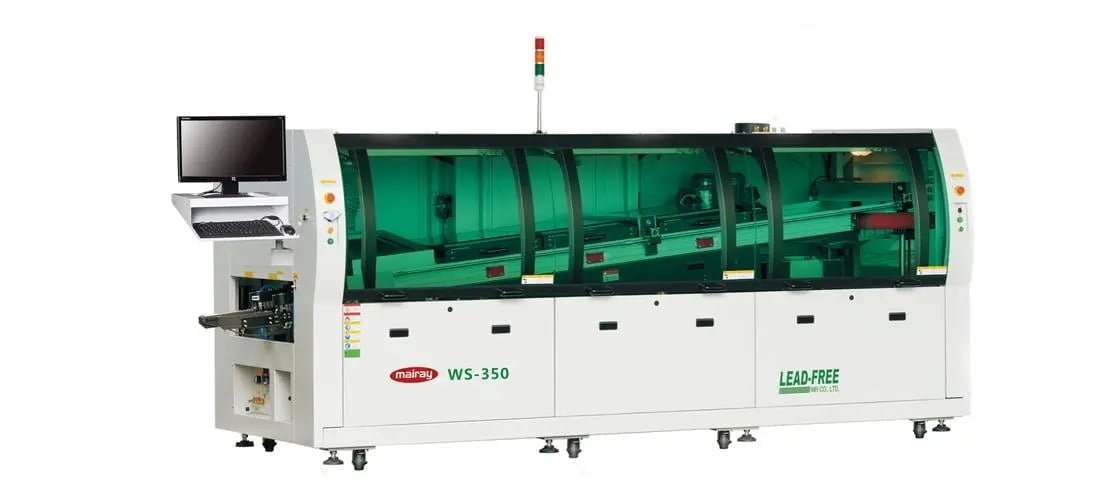
Forced hot-air reflow remains the default because it gives most PCB assemblers a workable balance of capacity, controllability, and process familiarity. Compared with older IR-heavy approaches, convection transfers heat more evenly across mixed assemblies, especially when board populations include plastic connectors, large inductors, fine-pitch ICs, and uneven copper distribution on the same panel.
That does not mean every convection reflow oven behaves the same way. Zone count, blower design, exhaust behavior, rail support, and recipe software all change how closely the actual board temperature follows the intended profile. A machine can look modern and still drift enough to cause repeated adjustments at the line. ReversePCB has already covered broader PCB ovens used for reflow, curing, and baking; for SMT soldering, the practical question is narrower: can this oven produce the soak, peak, and cooldown window your assemblies really need?
What separates a usable reflow machine from a risky one
Zone count is only the starting point
More zones help only when they create a usable thermal transition, not when they merely make the machine sound more sophisticated. A dense power board may need a longer soak to bring heavier copper areas closer to equilibrium before peak. A lightweight consumer board may respond too aggressively if the same recipe is copied over. Look for whether the oven lets you shape the profile deliberately rather than forcing the process engineer to work around blunt temperature steps.
Conveyor stability matters more than spec-sheet throughput
A PCB reflow oven that advertises high throughput but struggles to keep conveyor speed stable is a yield risk in disguise. Dwell time variation changes how long paste and components stay in each thermal zone. On longer boards or pallets, weak support can also let the assembly sag or twist, which becomes more serious when large BGAs, bottom-side parts, or heavy transformers are involved. Mechanical consistency is not glamorous, but it is what keeps the profile valid from left rail to right rail and from the first board to the hundredth.
Airflow and oxidation control change the soldering window
Uniform airflow helps close the gap between the thermal behavior of small passives and larger thermal-mass components. When airflow is uneven, one area may reach liquidus cleanly while another stays marginal or overshoots. Nitrogen is another case where the decision should be tied to defect mechanisms, not habit. If oxidation, wetting consistency, or cosmetic residue is driving escapes, nitrogen capability can justify its cost. If the boards already solder cleanly in air, it may be unnecessary complexity.
Maintenance access decides whether profiles stay repeatable
Flux accumulation, clogged cooling paths, drifting sensors, and neglected blowers do not appear in a sales demo, but they are common reasons an oven slowly stops matching the profile that originally passed validation. A convection reflow oven is easier to trust when thermocouple points, filters, blowers, and internal cleaning areas can be serviced without turning routine upkeep into a weekend shutdown. Engineers should ask how the machine behaves six months into production, not only on installation day.
Match the oven to the board mix, not the brochure demo
The right reflow oven for low-mix prototypes is not always the right one for a line running repeat builds with stricter takt time. High-copper power boards, LED assemblies, RF layouts with shielding, and mixed-technology products place very different demands on thermal uniformity and changeover discipline. If the shop expects one oven to handle all of them, recipe management and profiling discipline have to be part of the decision from the start.
It also helps to ask what happens at the edges of the process window. Can the oven recover quickly after a line stop? How much does the profile shift when board loading changes? Does the same recipe still work when a supplier changes laminate thickness or component finish? Those are the questions that expose whether a reflow machine is robust enough for real production instead of only ideal samples.
Failure modes that usually point back to the oven
- Fine-pitch parts wet acceptably at one side of the panel but look marginal at the other.
- Large thermal pads show chronic voiding or inconsistent collapse after paste volume and stencil checks already look acceptable.
- Profiles that passed during setup drift after routine maintenance delays or filter contamination.
- Mixed-mass assemblies show repeated tombstoning, disturbed joints, or scorched residue when the line speeds up.
- Operators keep making recipe tweaks to compensate for problems that are actually mechanical or airflow related.
None of these symptoms prove the oven is the only cause, but they are classic warnings that the thermal process is narrower than the factory expected. When engineers keep rebalancing paste, placement, and inspection settings without a stable thermal baseline, troubleshooting becomes expensive very quickly.
Questions worth asking before you approve a convection reflow oven
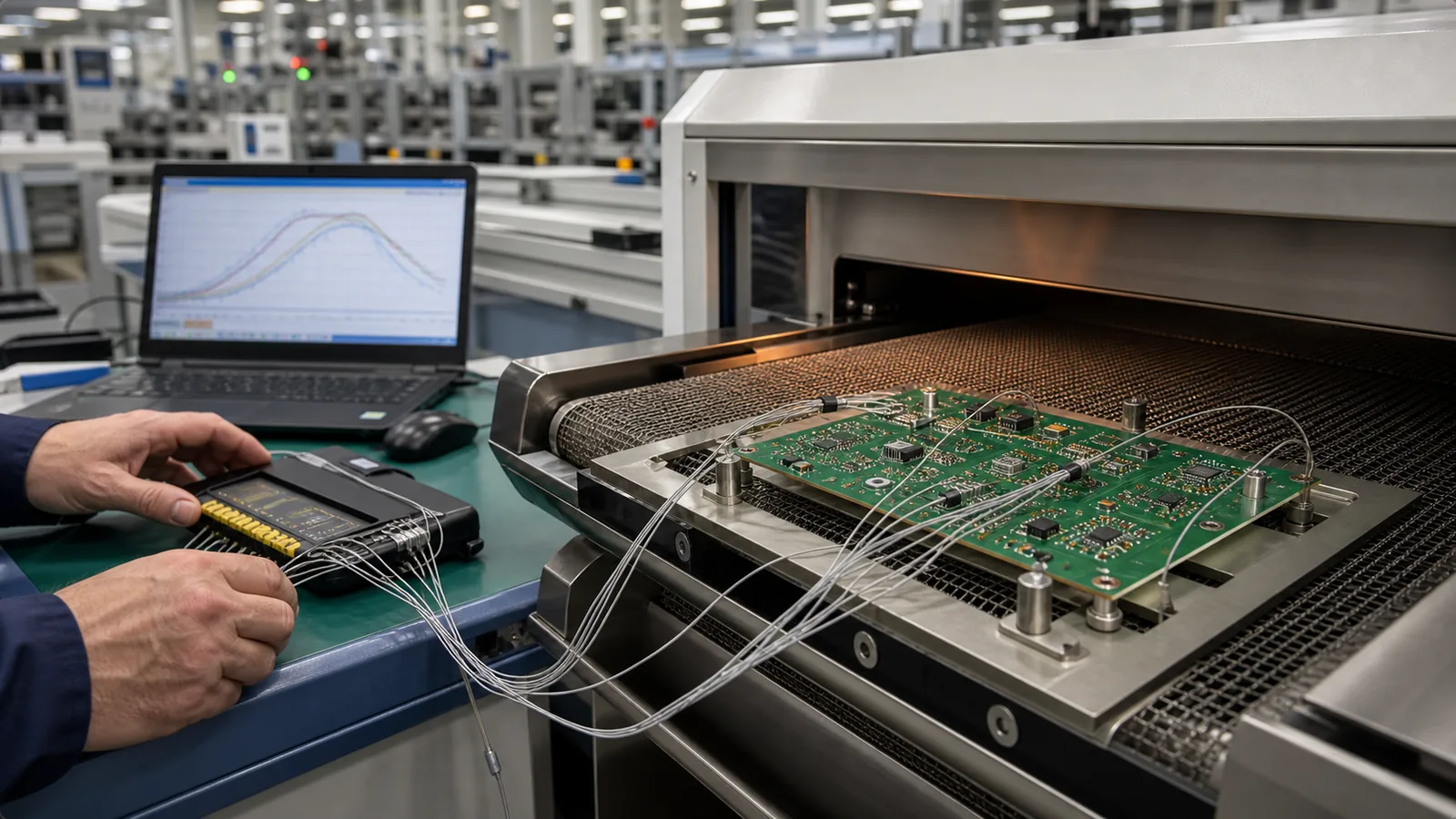
- How was temperature uniformity verified across a populated production-representative board, not just a test coupon?
- What maintenance points most often change profile repeatability, and how accessible are they during normal uptime windows?
- What board weight, width, and support conditions start to challenge conveyor stability?
- How many validated recipes can the control system manage cleanly for different product families?
- When nitrogen is used, what defect mode is it solving and how is that benefit measured?
- What data can the machine export for traceability, profile review, and engineering change control?
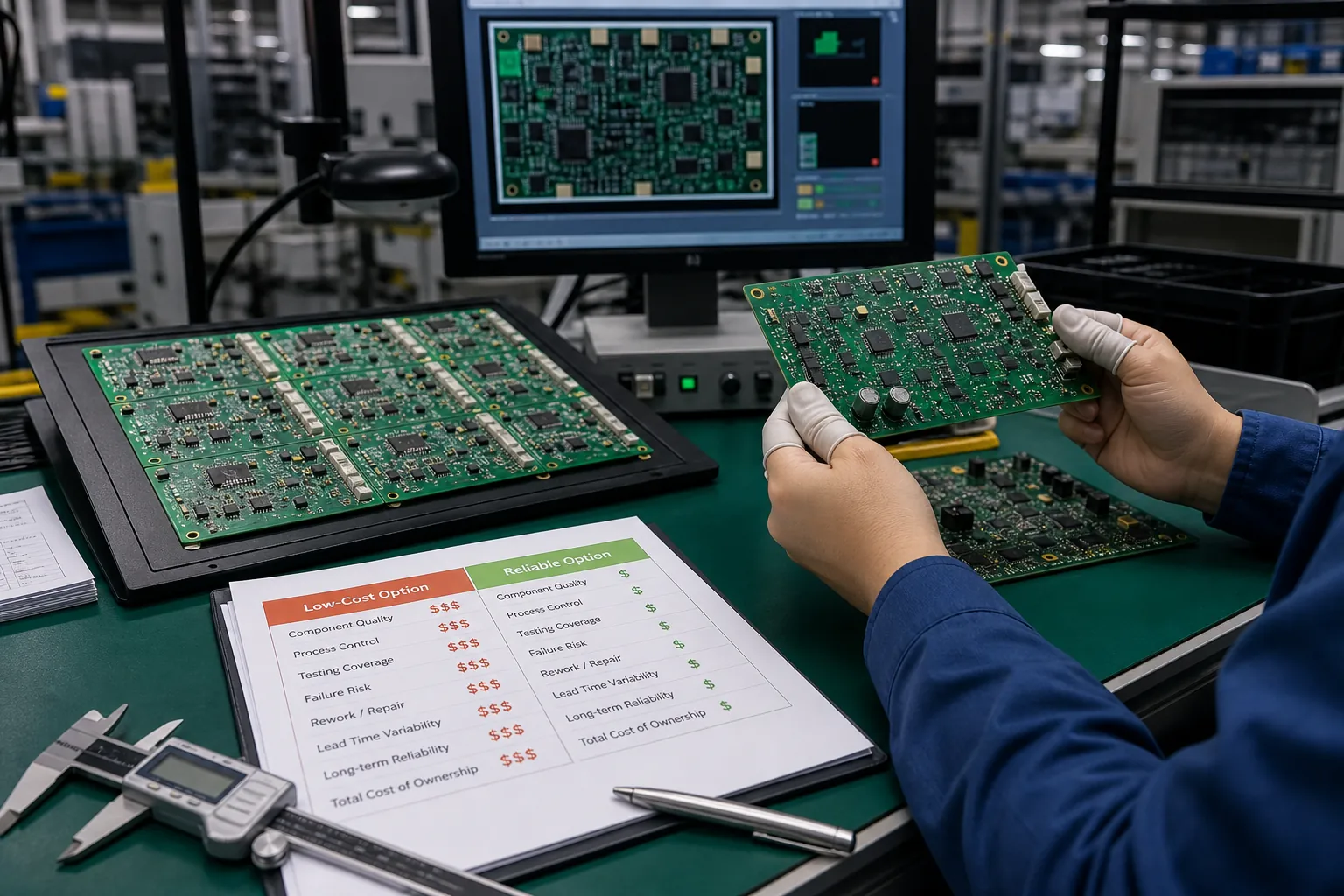
If the vendor or internal equipment owner cannot answer those questions with process detail, the machine may still be usable, but it is not yet a controlled production asset. The oven has to fit the manufacturing discipline around it.
A stable profile is the real purchase decision
A convection reflow oven earns its place when it keeps the soldering window wide enough for the actual board mix, not when it simply offers a higher top temperature or more zones than the last model. In SMT production, repeatability pays for the machine far more reliably than headline speed does. If the oven can hold profile intent through changeovers, maintenance cycles, and realistic board loading, the rest of the line has a much better chance of staying under control.