Choosing a PCB assembly house is usually framed as a price and lead-time exercise, but that is rarely where the real risk sits. A low quote does not tell you whether the supplier can keep stencil deposits stable on fine-pitch parts, manage approved alternates without breaking the AVL, or return first-article feedback early enough to protect your schedule.
For most teams, the better question is simpler: can this factory hold the process window your board actually needs? If the answer is unclear, the cheapest offer often becomes the most expensive build after rework, expedites, and engineering churn are counted.
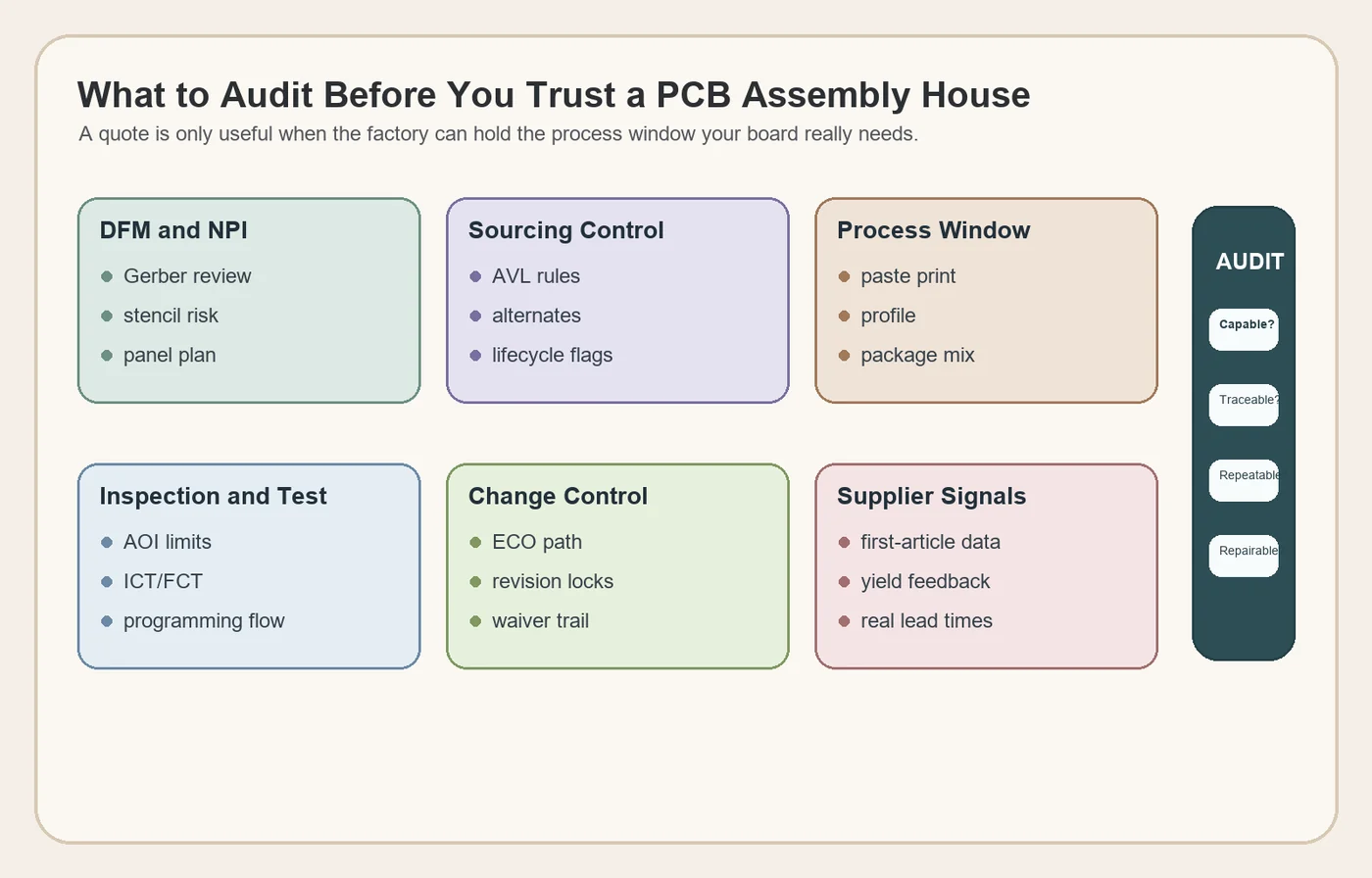
What a good PCB assembly house is actually selling
A capable assembly house is not just selling machine time. It is selling release discipline, process repeatability, and a predictable path from design data to shipped boards. That means the supplier should be able to explain how it reviews fabrication data, how it flags land-pattern or panelization concerns, how it handles component substitutions, and how it closes the loop when yield starts drifting.
This is why experienced teams ask for more than a capability slide. They want to know how the house manages first-article inspection, how quickly it escalates BOM conflicts, whether X-ray is available when package type demands it, and how production notes are fed back into the next revision. The same mindset appears in solid PCBA manufacturing process control: the line wins when the data package, materials, and checkpoints all agree.
Start with the board, not the supplier brochure
The right supplier for one product can be the wrong supplier for another. A low-layer consumer board with generous spacing, mature parts, and no programming step is a different job from a mixed-technology board with bottom-terminated packages, selective soldering, conformal coating, and functional test. Your board defines the audit list.
Match technology mix to real process capability
Ask the house where it becomes uncomfortable. Fine-pitch QFN and BGA work, heavy copper thermal imbalance, odd-form parts, tall connectors near small passives, and mixed SMT/THT boards all change how the job should be prepared. A supplier that sounds equally confident about every package family is usually giving you a sales answer instead of an engineering answer.
Confirm how your release package will be consumed
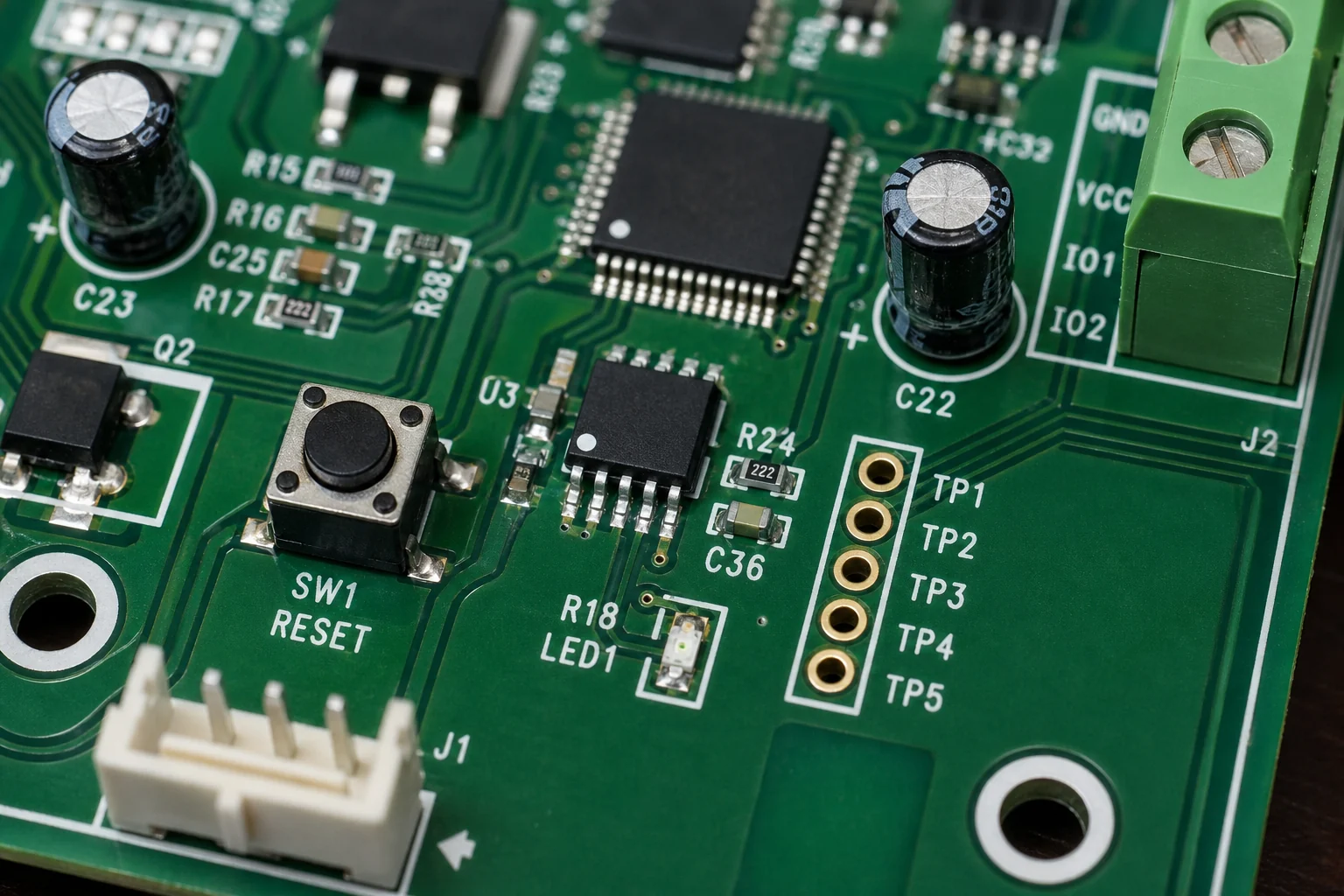
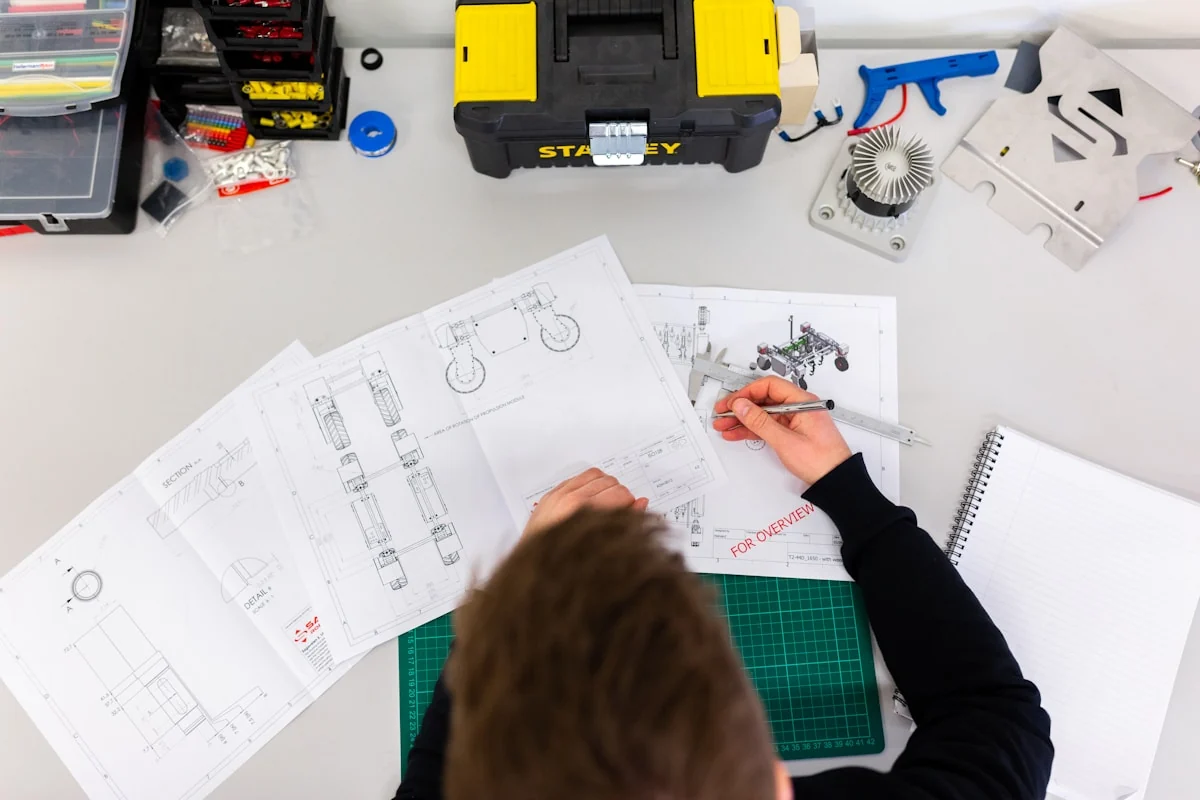
Gerbers, centroid data, assembly drawings, programming files, and BOM logic have to survive the handoff intact. If your release package is weak, even a capable supplier spends time guessing. If the supplier workflow is weak, a clean package still gets mistranslated. This is where a strong turnkey PCB assembly handoff matters more than brochure language.
Audit the process window, not just the machine list
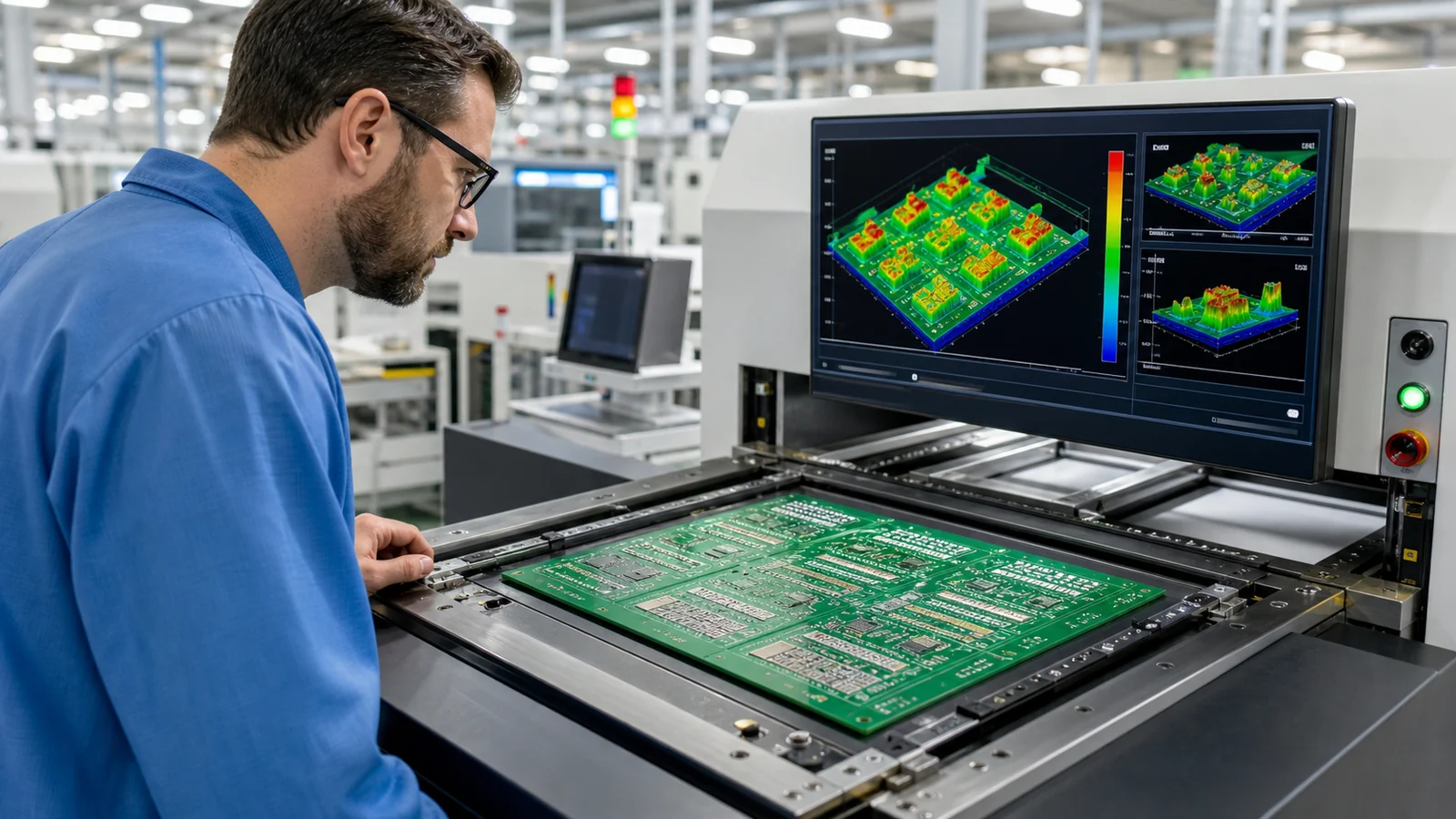
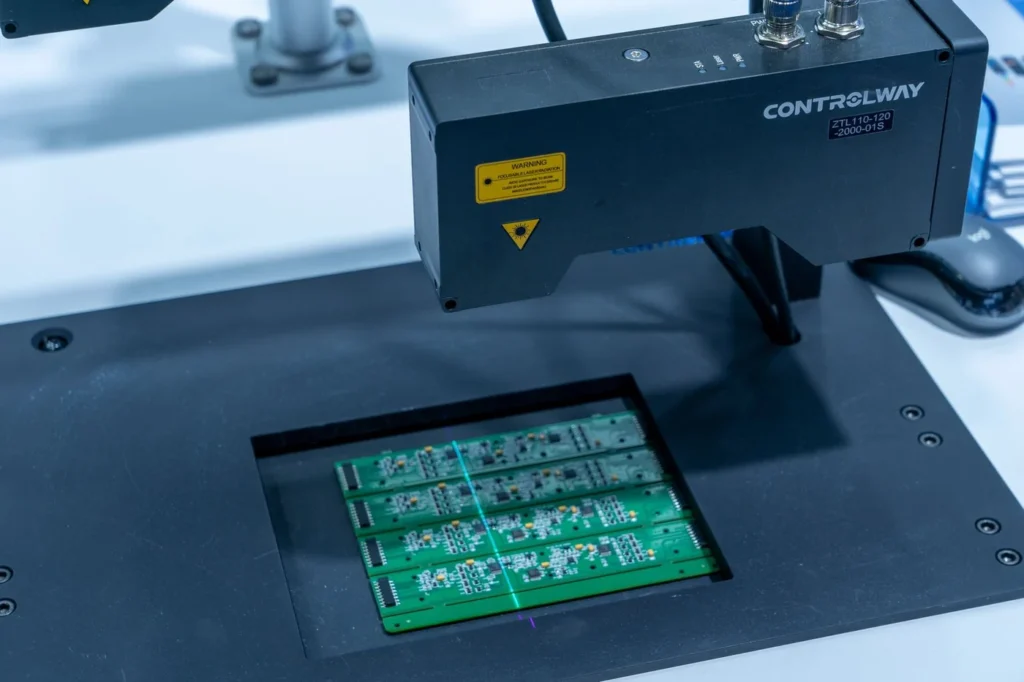
Many assembly houses can name stencil printers, pick-and-place platforms, ovens, and AOI tools. That does not tell you how they run them. The useful audit questions are operational: how is stencil wear checked, when are paste prints rejected, how are feeder issues documented, what data comes out of first article, and who owns disposition when the BOM or drawing is ambiguous?
Look for evidence of disciplined escalation. When a supplier finds an alternative part with different land-pattern stress, can it explain the impact on reflow margin and inspection? If your board needs programming or calibration, can it keep serial-number traceability aligned with test records? If conformal coating is involved, can it prove masking and rework rules were planned before the lot was queued? These details separate a house that assembles boards from one that manages manufacturing risk.
Read the quote for the engineering decisions hiding inside it
A quote often compresses important assumptions into short line items. Tooling, setup, stencil ownership, panel recommendations, test fixture NRE, scrap allowance, and approved-alternate policy all tell you how the house expects the build to run. If those assumptions are hidden, your schedule usually pays for it later.
For example, a house may quote aggressively on unit price while assuming that you will absorb every BOM exception, every programming ambiguity, and every last-minute panel change. Another house may price higher because it is budgeting real engineering review, first-article containment, and documented substitution control. The second quote is often safer if the board is new, if the supply chain is unstable, or if debug time is expensive.
Decide where turnkey stops and your ownership starts
A PCB assembly house can only own the decisions you clearly hand over. If you want the supplier to source alternates, define the approval boundary. If you expect panelization feedback, confirm who signs off. If functional test matters, specify whether the house builds fixtures, loads firmware, or only checks power-up. Many avoidable arguments come from vague ownership, not bad intent.
This is also why buyer and engineering teams should stay aligned through the RFQ process. Procurement may focus on price breaks, minimum order quantity, and lead time, while engineering is watching package risk, thermal behavior, and test access. A good assembly partner can serve both, but only if the board team knows what must not be optimized away.
Warning signs before you release the job
Be cautious when a house cannot show a structured NPI review path, gives no clear answer about approved alternates, or treats every defect as a downstream inspection problem instead of an upstream process-control problem. The same warning applies if the team cannot explain how it handles rework access, yield feedback, or revision control. A supplier that only talks about machine count is leaving out the part that actually protects your build.
If you are comparing multiple providers, keep one rule in mind: the best PCB assembly house is usually the one that reduces ambiguity fastest. That means faster technical answers, cleaner exceptions, better first-article data, and fewer silent assumptions between your release package and the production floor.
FAQ
How do I compare two PCB assembly houses when both claim similar equipment?
Compare how they run the process, not only what they own. Ask about first-article inspection, substitution approval, stencil and profile control, test ownership, and how engineering questions are escalated before production starts.
When is a higher quote from a PCB assembly house justified?
A higher quote is usually justified when it includes real NPI review, stronger sourcing control, better traceability, or test support that prevents schedule slips later. That matters most on new products, unstable supply chains, and boards with mixed technologies or tight process windows.
Should I prefer turnkey or consigned assembly when choosing a supplier?
Choose based on ownership and risk. Turnkey is usually safer when the supplier has stronger sourcing visibility and you want one accountability path, while consigned material can make sense when you must control exact parts, approved lots, or sensitive firmware-related hardware.
What documents should a PCB assembly house review before quoting seriously?
At minimum, the house should review your BOM, Gerbers, centroid data, assembly drawing, stackup or fab notes that affect build risk, and any programming or test requirements. If those are not part of the review, the quote may be missing the real engineering effort.