
PCB Substrates: Materials & Selection Guide
Choose PCB substrates: FR4, Rogers, and flex materials. Properties, applications, and cost considerations. Critical for thermal/electrical performance. Expert guide!

Choose PCB substrates: FR4, Rogers, and flex materials. Properties, applications, and cost considerations. Critical for thermal/electrical performance. Expert guide!
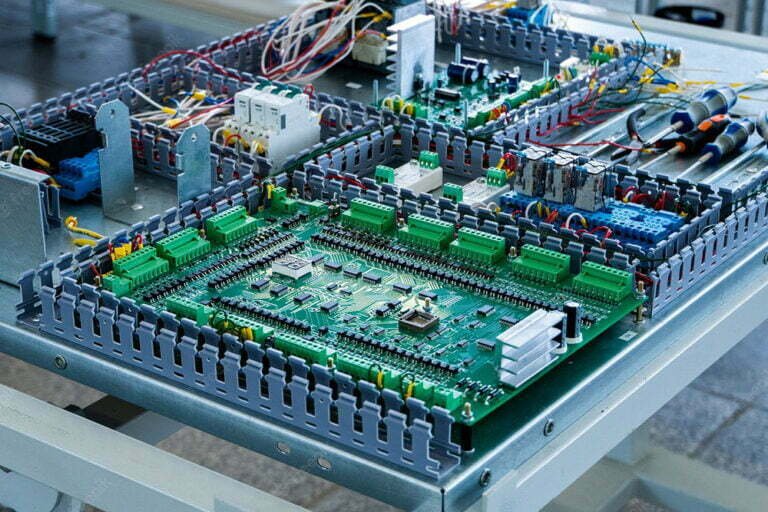
There are many uses for PCB transformers in power supply circuits, and they provide impedance matching. They are compact, lightweight and customizable. Additionally, they can reduce noise and boost signal strength. However, selecting the right pcb transformer is crucial to

Choose PCB connectors: pin headers, FPC, and circular types. Tips for durability, current rating, and layout. Critical for reliable system integration. Guide inside!
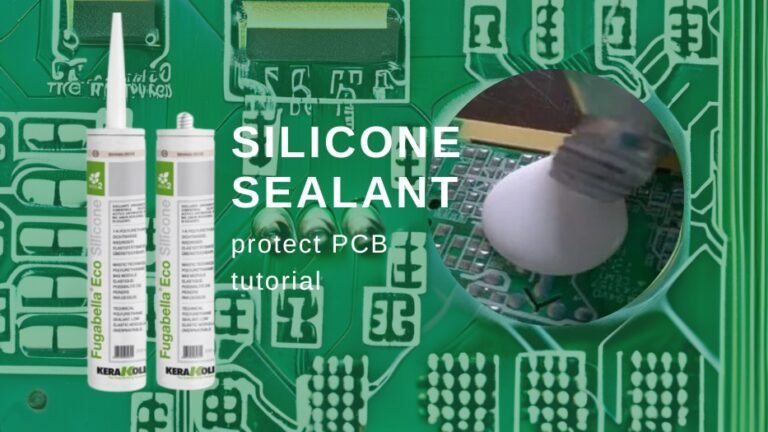
What is silicone sealant? Silicone sealant is an elastic polymer rubber material formed after sulfurization using polydimethylsiloxane as the main raw material, supplemented with cross-linking agents, fillers, plasticizers, coupling agents, catalysts, and other paste-like substances. As a commonly used multifunctional
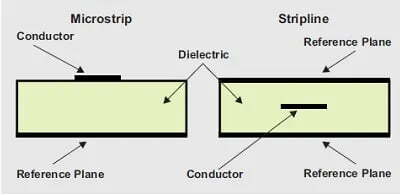
PCB dielectric materials are an essential part of any electronics project. They provide insulation, protection, and support for components in a circuit board. This ensures that your components won’t short out or be damaged due to excessive heat or vibration.

There are several materials used to make circuit boards. Each has its benefits and drawbacks, but none are perfect for every application. Polyimide rigid PCBs, for example, have a wide range of applications in everything from aerospace to automotive. They’re
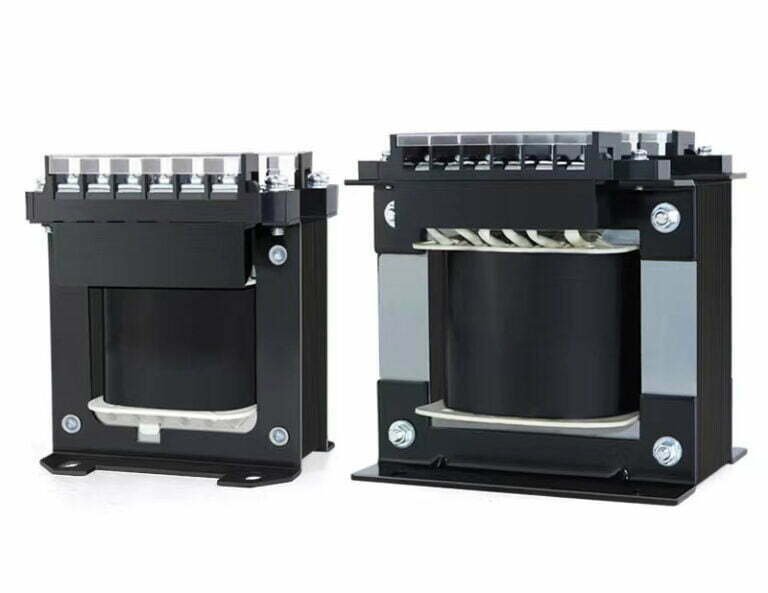
Single-phase transformer basics: voltage conversion, core materials, and applications in power supplies. Learn to size and select for your circuit. Guide here!
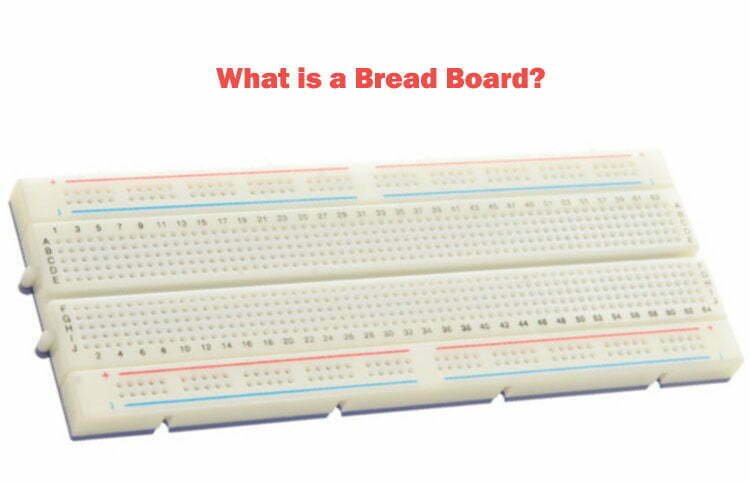
New to breadboards? Learn terminal strip layout, jumper wire connections, and component placement. Essential for circuit prototyping before PCB design. Beginner’s guide!

When an electric current is introduced to an inductor or something that can store magnetic energy, it will respond in different ways depending on the specific attributes of that device. There are two main types of transformers: single phase transformer
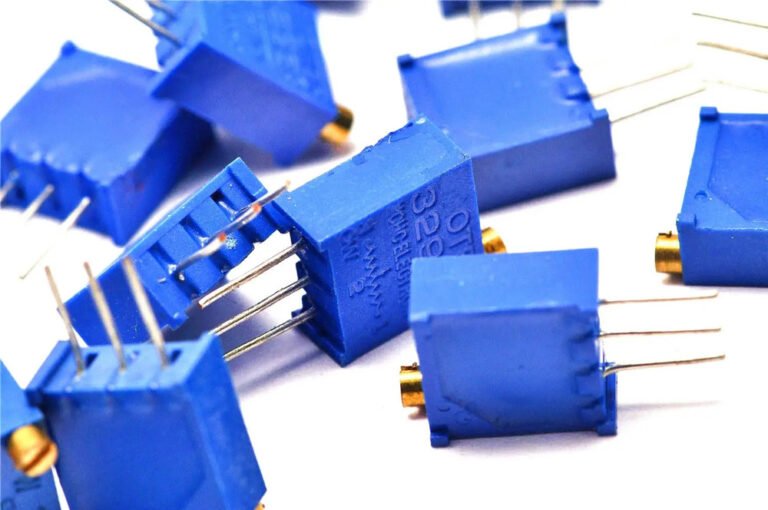
Potentiometers offer several advantages, including simple design, low cost, a wide resistance range, ease of operation, and mature technology. As reliable devices, they control, measure, and accurately sense voltage in electronic and electrical systems through linear or rotational motion. In