




Schematic & Gerber restoration
MCU/CPLD code restore access & backup
1:1 exact hardware replication
BLE & Classic BT wireless solutions
Precision PID & thermal management
High-efficiency motor drive control
Industrial RS485/RTU communication
Custom STM32/ESP32 firmware & HW
Calculate the PCB trace width based on temperature rise, current, and copper thickness (IPC-2152).

MPLAB X IDE is Microchip’s free desktop IDE for PIC, AVR, SAM and dsPIC development. It runs on supported Windows, Linux and macOS systems and integrates device packs, compilers and programmer/debugger tools. Microchip’s current product page recommends MPLAB for VS Code for new and existing projects, so verify the preferred workflow before starting a new codebase. Microchip MPLAB X IDE.
MPLAB X IDE provides a single integrated “environment” for developing code for embedded microcontrollers. The following is a simple tutorial on using MPLAB X IDE to develop microcontroller programs.
First, download the MPLAB X IDE installation package from the MICROCHIP official website:
https://www.microchip.com/en-us/tools-resources/develop/mplab-x-ide#tabs
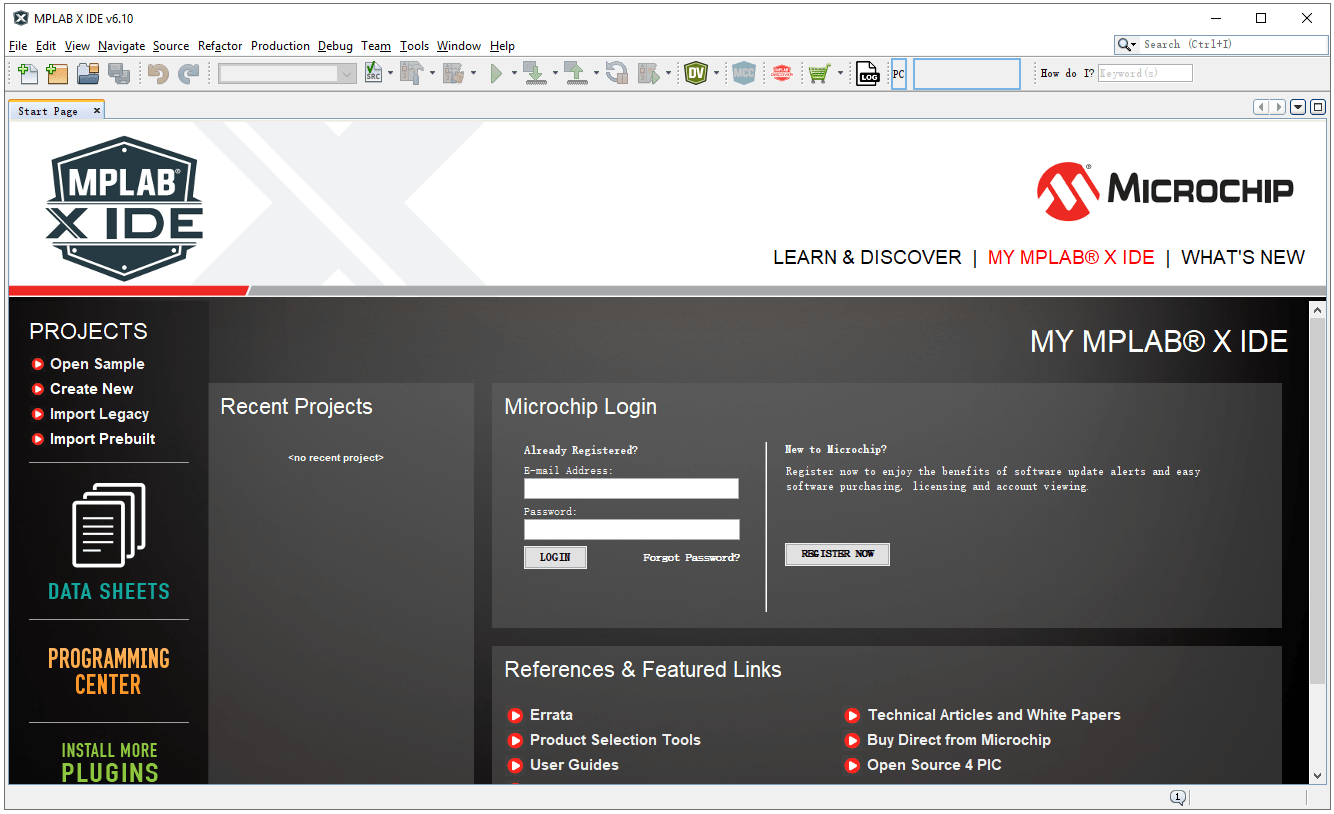
After install the MPLAB X IDE software, you can open and see the overview:
Combined with the MPLAB XC compiler, you can speed up your project development process. Download the compiler suitable for your project from the following link:
https://www.microchip.com/en-us/tools-resources/develop/mplab-xc-compilers
Select the compiler by device family: XC8 supports 8-bit PIC and AVR MCUs; XC16 supports 16-bit PIC MCUs; XC-DSC supports dsPIC DSCs; XC32 supports 32-bit PIC and SAM MCUs/MPUs. Confirm the device in the current compiler and device-pack documentation instead of choosing only by word size. MPLAB XC Compilers.
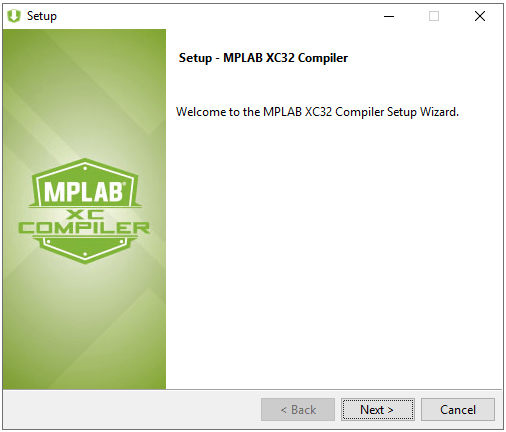
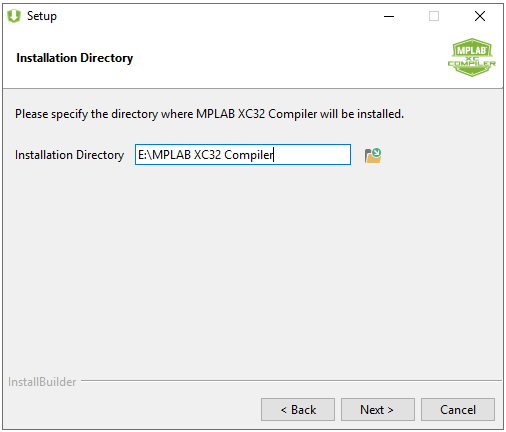
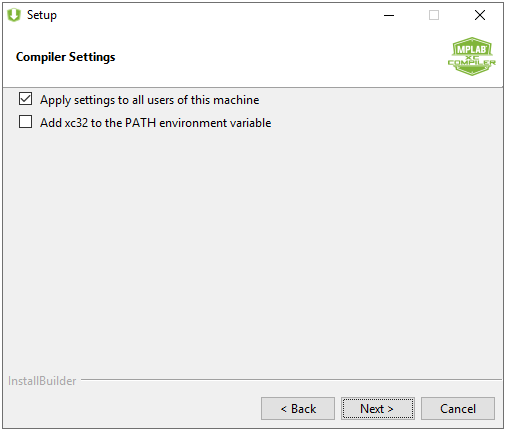
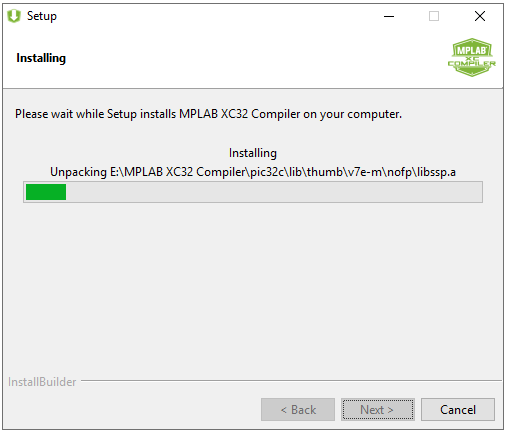
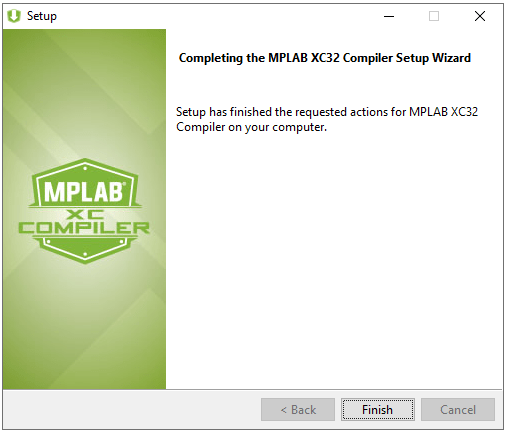
Installation process of MPLAB compiler:
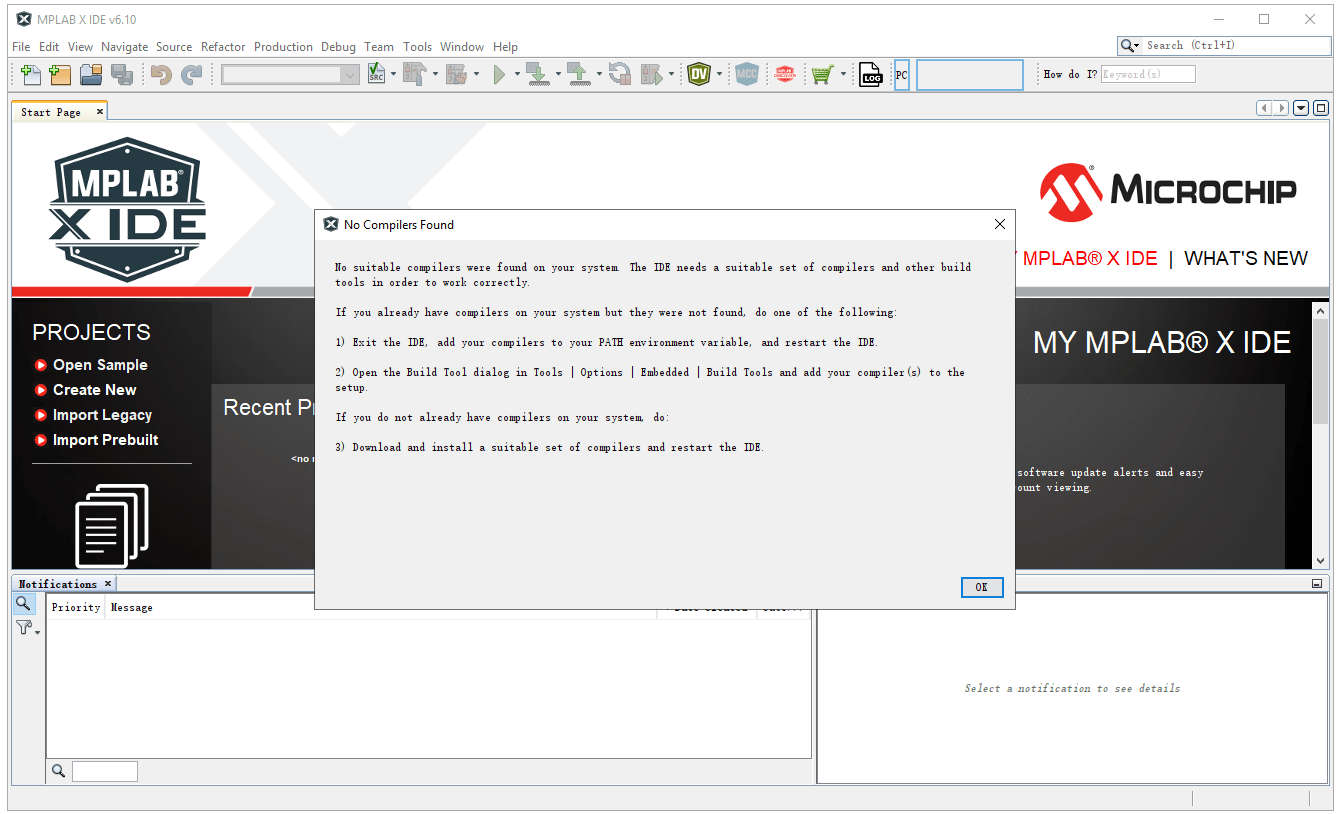
Open the MPLAB X IDE software, as shown in the figure below, prompting “No Compilers Found”. After installing the MPLAB XC compiler, we need to add it to the MPLAB X IDE software before it can be used.
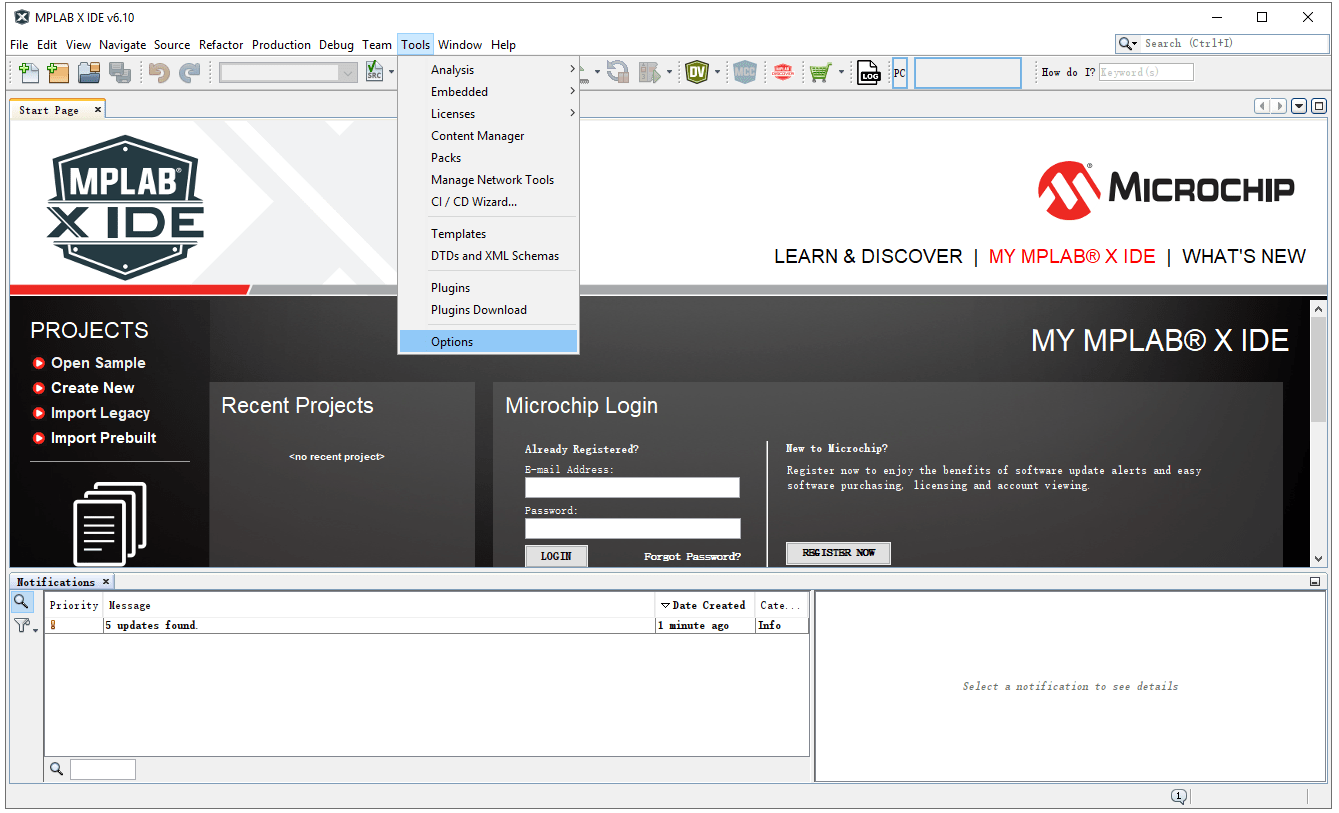
Click “Tools” -> “Options” as shown in the figure below:
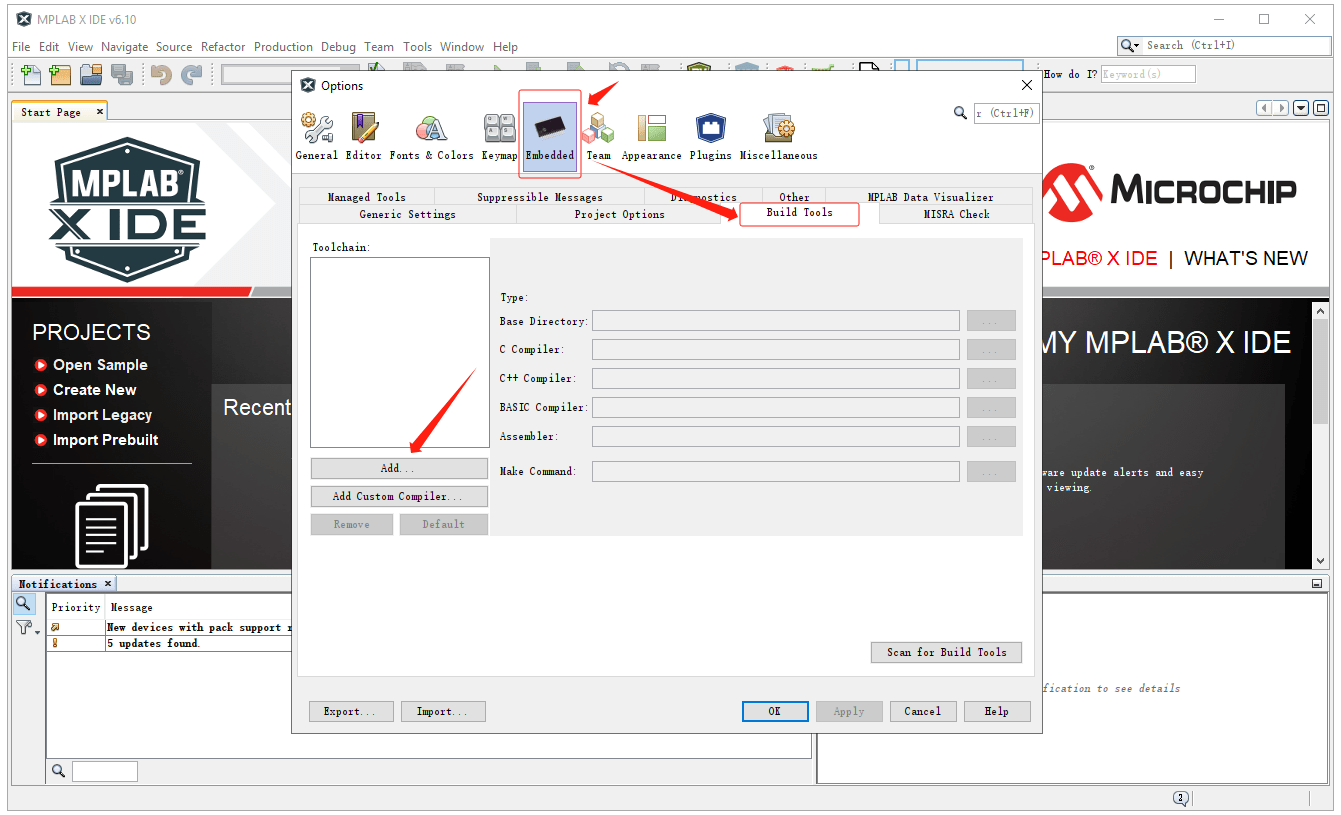
Then click the “Build Tools” option under “Embedded”. Click the “Add” button under “Toolchain:”:
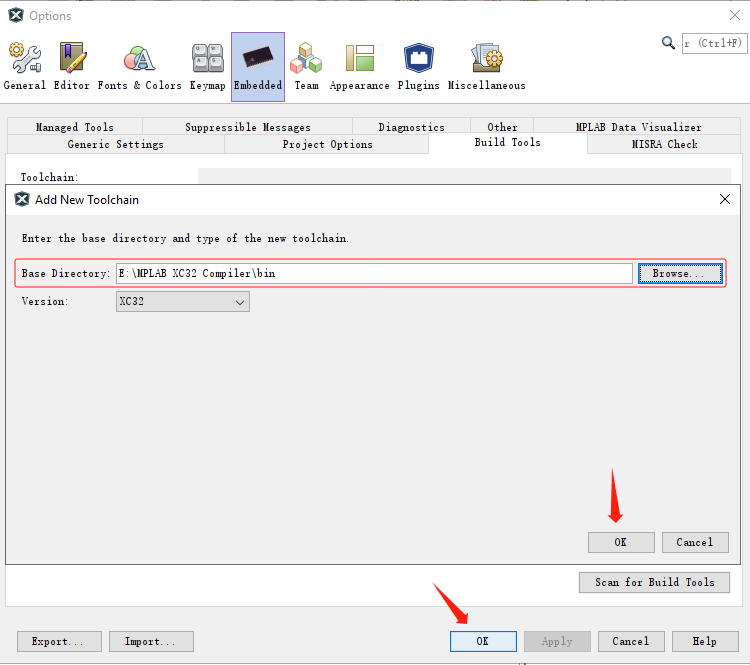
Select the bin file from the installation path of the MPLAB compiler. Next, click “OK”.
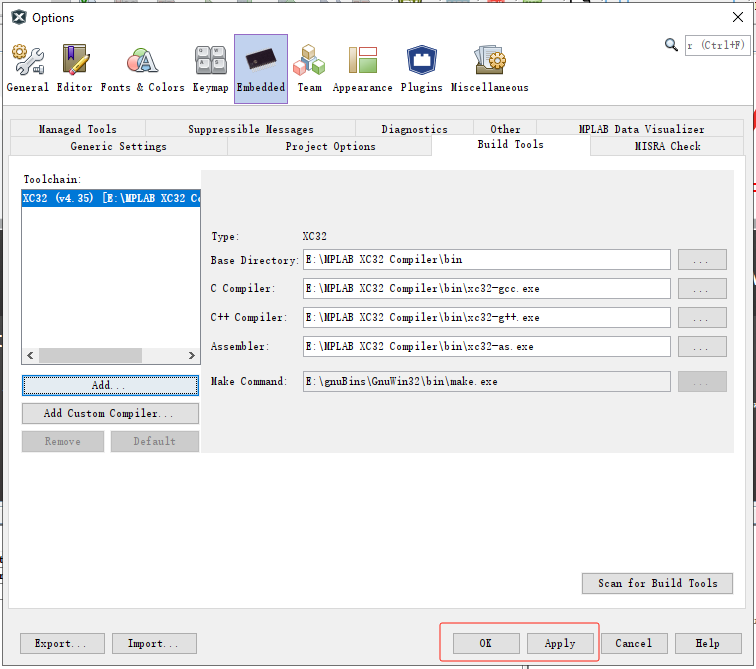
After the bin file is successfully added to “Toolchain:”, click “Apply” and “OK”.
After installing the MPLAB X IDE software and MPLAB compiler, we start editing the program and downloading and debugging the program.
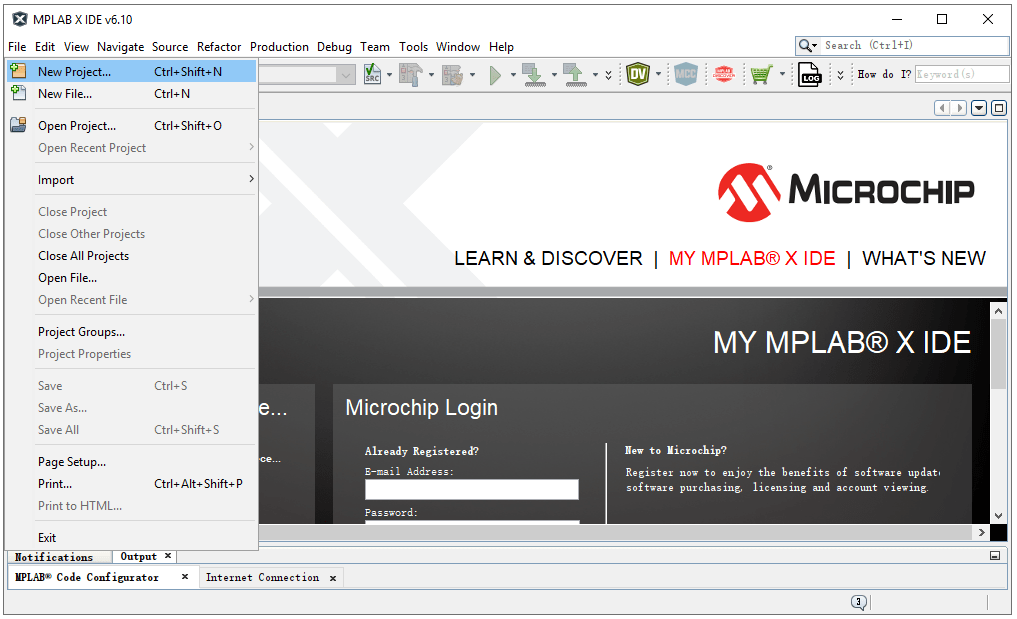
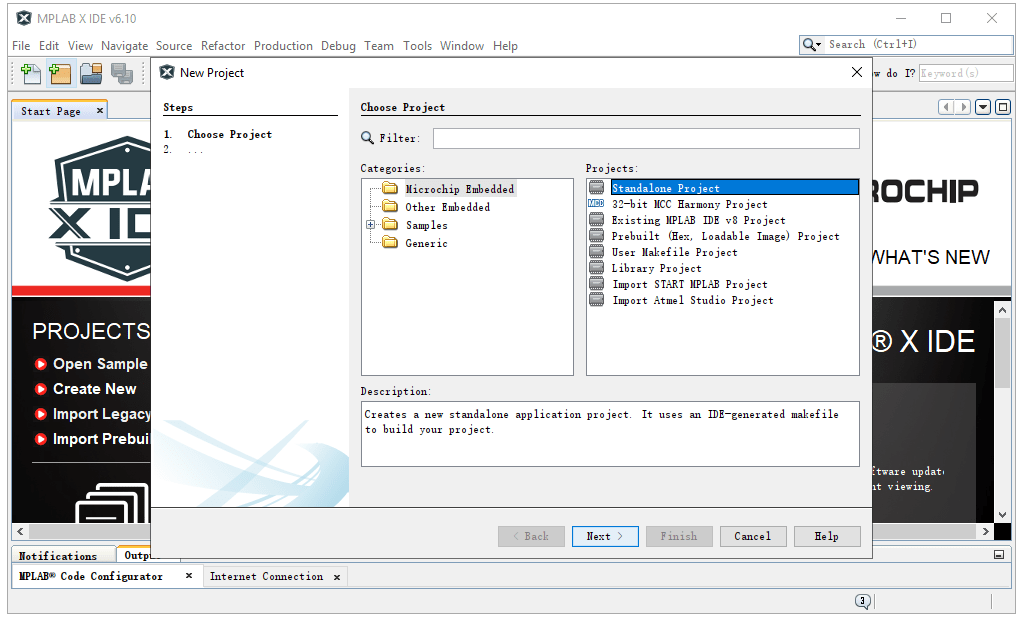
In MPLAB X IDE, click File > New Project to pop up the New Project window. Select Microchip Embedded in “Categories:”, then select Standalone Project in “Projects:”.
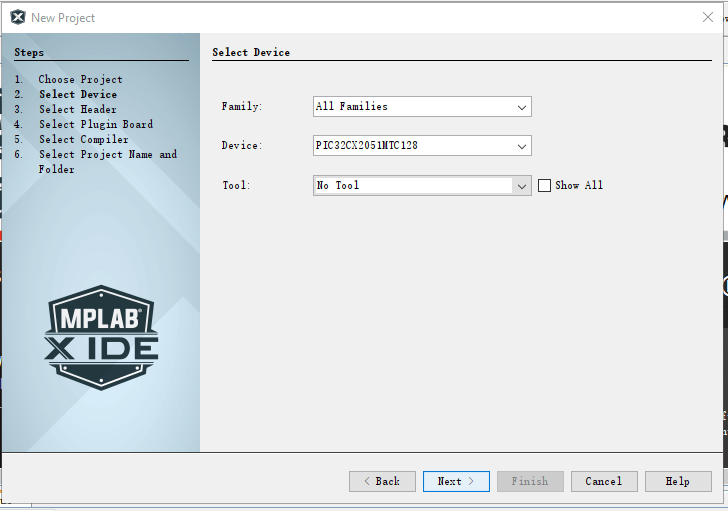
Next, select the MCU model suitable for your current project in Device, such as: PIC32CX2051MTC128.
(Note that because I just installed the XC32 compiler, we need to select the PIC32 series MCU here.)
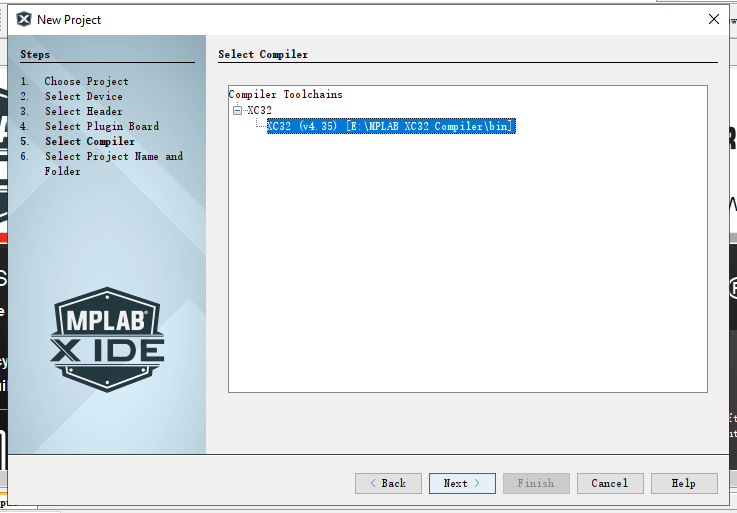
Then, select the XC32 compiler.
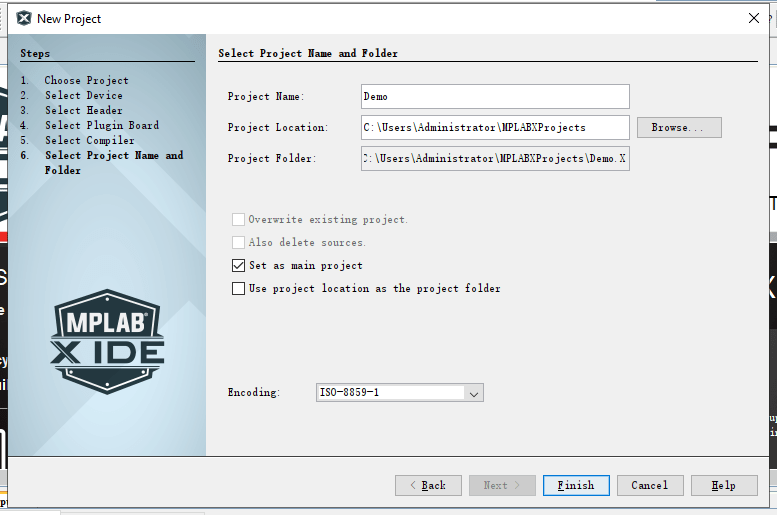
Write a Project Name, select the storage location of the project, and click “Finish”.
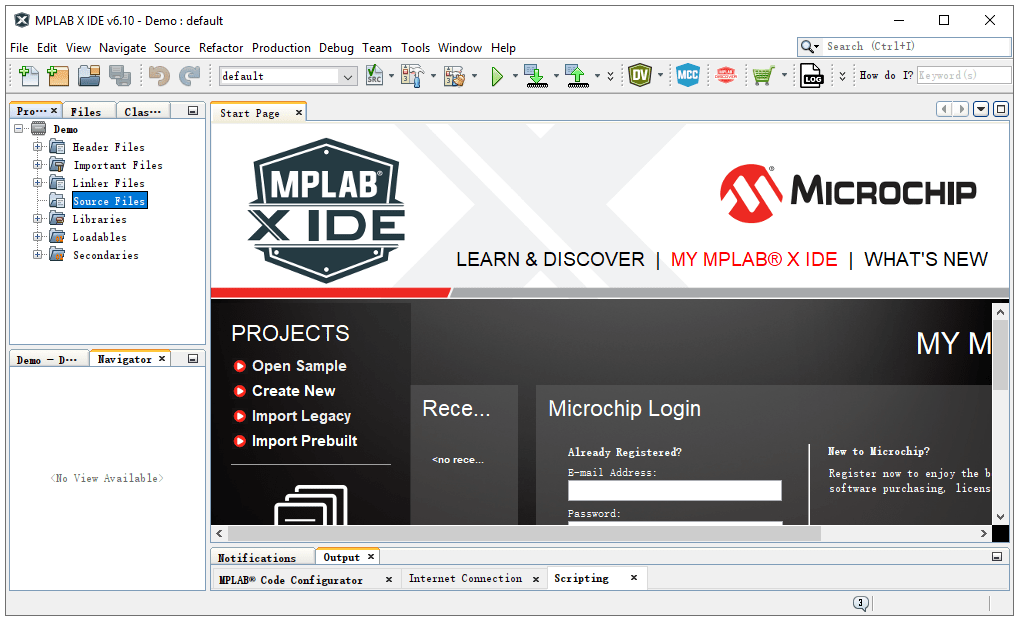
As shown in the figure below, after creating a new project, we can see the project list file on the left.
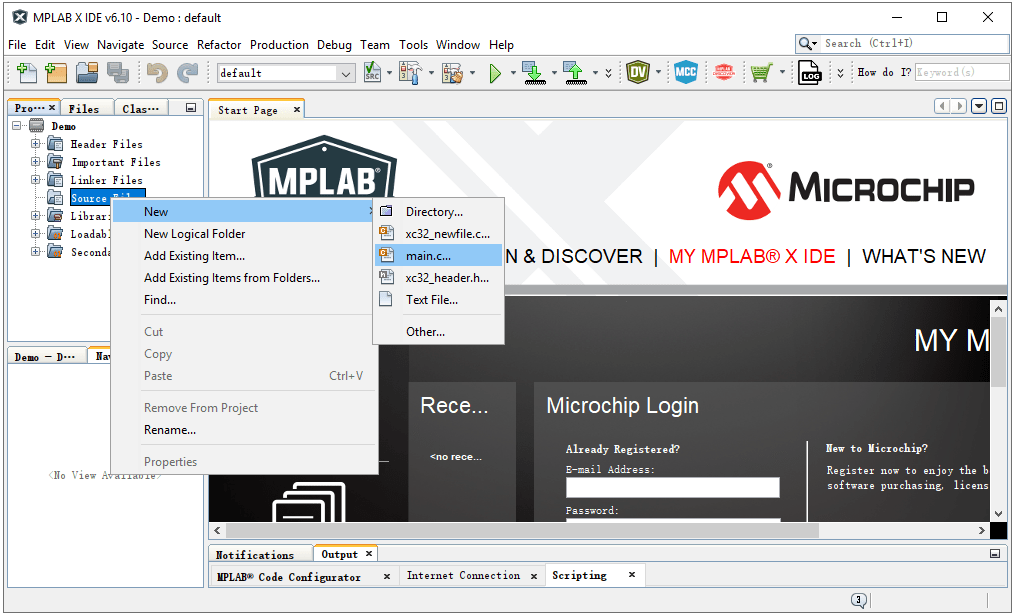
Right-click “Source Files” > “New” > “main.c” and add the main.c file to the created project. Then you can write a program for your microcontroller in this file.
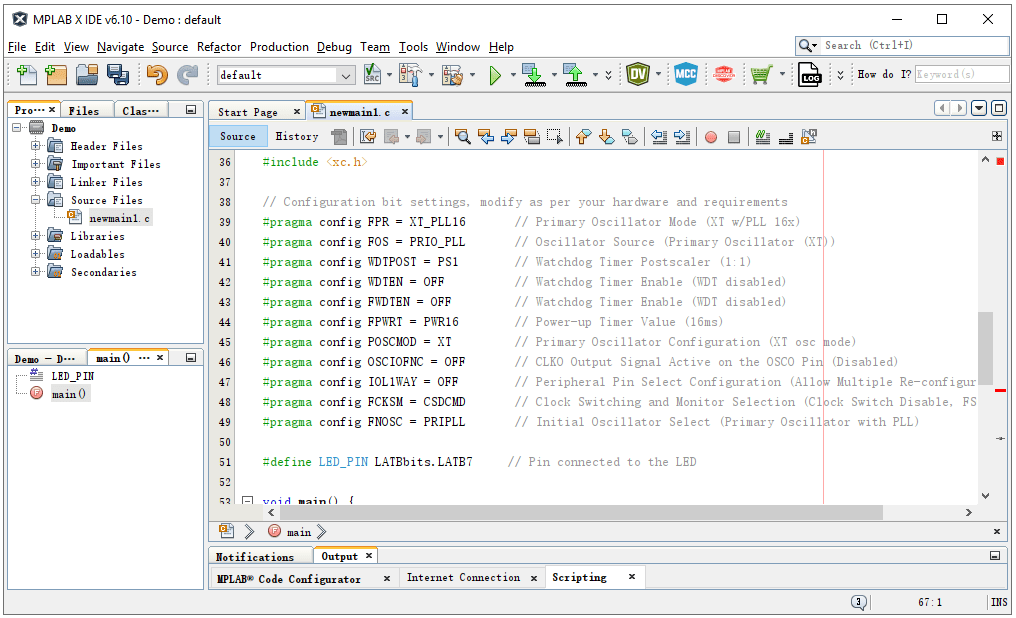
The following is a simple PIC microcontroller program, which will light up an LED on the PIC microcontroller. You can modify and expand it as needed:
After writing the code, you can click the button on the toolbar to compile and program.
At this review on 2 September 2026, Microchip lists MPLAB X IDE 6.35 and recommends MPLAB for VS Code for new and existing projects. This tutorial still applies to MPLAB X projects, but menu names and supported probes can differ by IDE, compiler and device-pack release.
| Decision | Verify | Evidence to retain |
|---|---|---|
| Target device | Exact ordering code and installed device pack | Pack version and device selection |
| Compiler | XC8, XC16, XC-DSC or XC32 as required | Compiler version and build log |
| Program/debug | Probe support, target voltage, interface and reset method | Connection screenshot and programming log |
| Production | Configuration bits, memory map and output format | HEX/ELF, map file and programming notes |
Sources: Microchip MPLAB X IDE; Microchip MPLAB XC Compilers.

I am Aidan Taylor and I have over 10 years of experience in the field of PCB Reverse Engineering, PCB design and IC Unlock.


