What is a Non Polarized Capacitor?
A non-polarized capacitor is, as the name suggests, a capacitor that does not have polarized terminals. An ordinary capacitor will have two terminals labeled with a positive or negative sign.

Polyimide Rigid PCB: The Strongest Material for Your PCB Project
There are several materials used to make circuit boards. Each has its benefits and drawbacks, but none are perfect for every application. Polyimide rigid PCBs, for example, have a wide
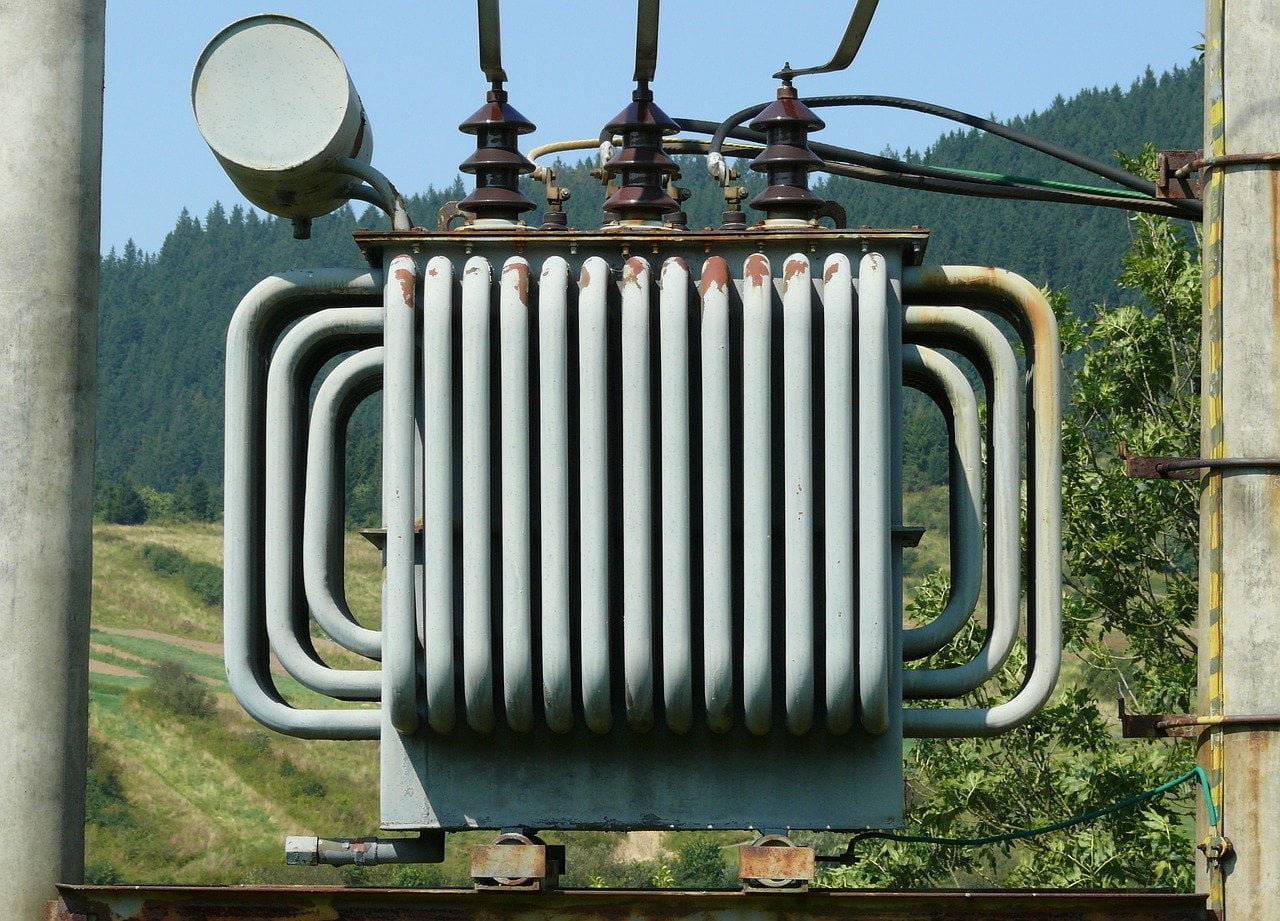
Single vs Three Phase Transformer
When an electric current is introduced to an inductor or something that can store magnetic energy, it will respond in different ways depending on the specific attributes of that device.
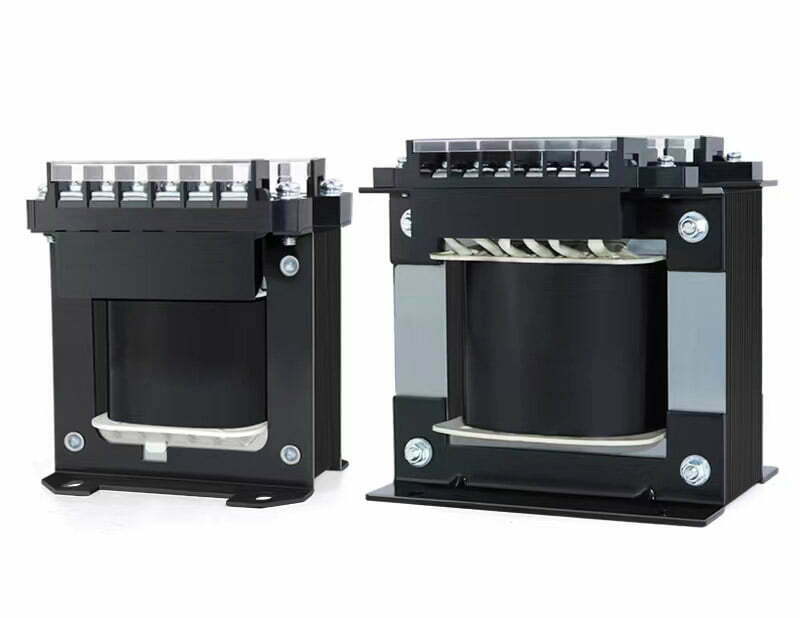
Single-Phase Transformers: How They Work
Single-phase transformer basics: voltage conversion, core materials, and applications in power supplies. Learn to size and select for your circuit. Guide here!

PCB Transformer: How to Choose It?
There are many uses for PCB transformers in power supply circuits, and they provide impedance matching. They are compact, lightweight and customizable. Additionally, they can reduce noise and boost signal

How To Choose The Right Flexible Board For Your Project?
You might be wondering what exactly a flexi board is, and if they’re something you should invest time in learning about. As the name suggests, these boards are flexible. What
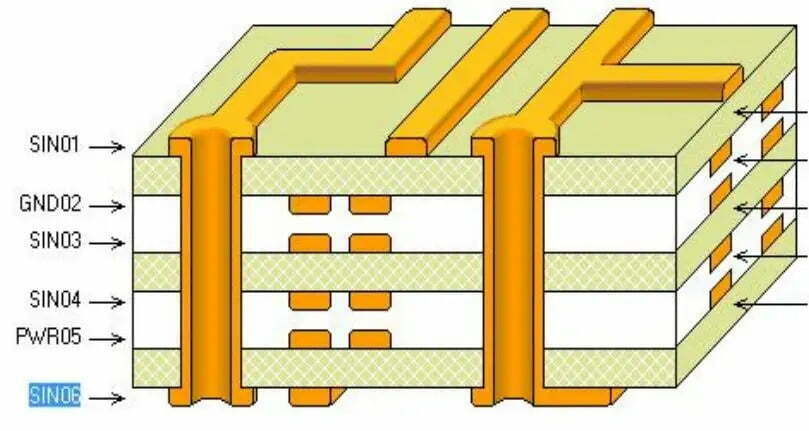
What is the difference between 4-layer, 6-layer, 8-layer PCBs?
4 Layer PCB is a vital part of the electronic components that make up modern devices. Every single electronic component has an electronic counterpart somewhere on the PCB, and in
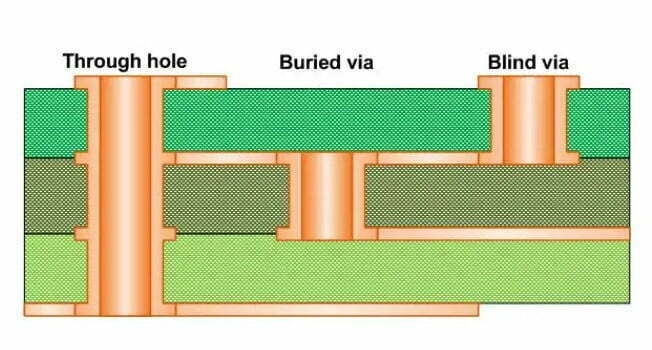
Through-Hole PCBs: Ultimate Resource Guide
Through-hole PCB design: components, soldering, and pros/cons vs SMT. Best practices, tools, and project examples. Essential for beginners and engineers!