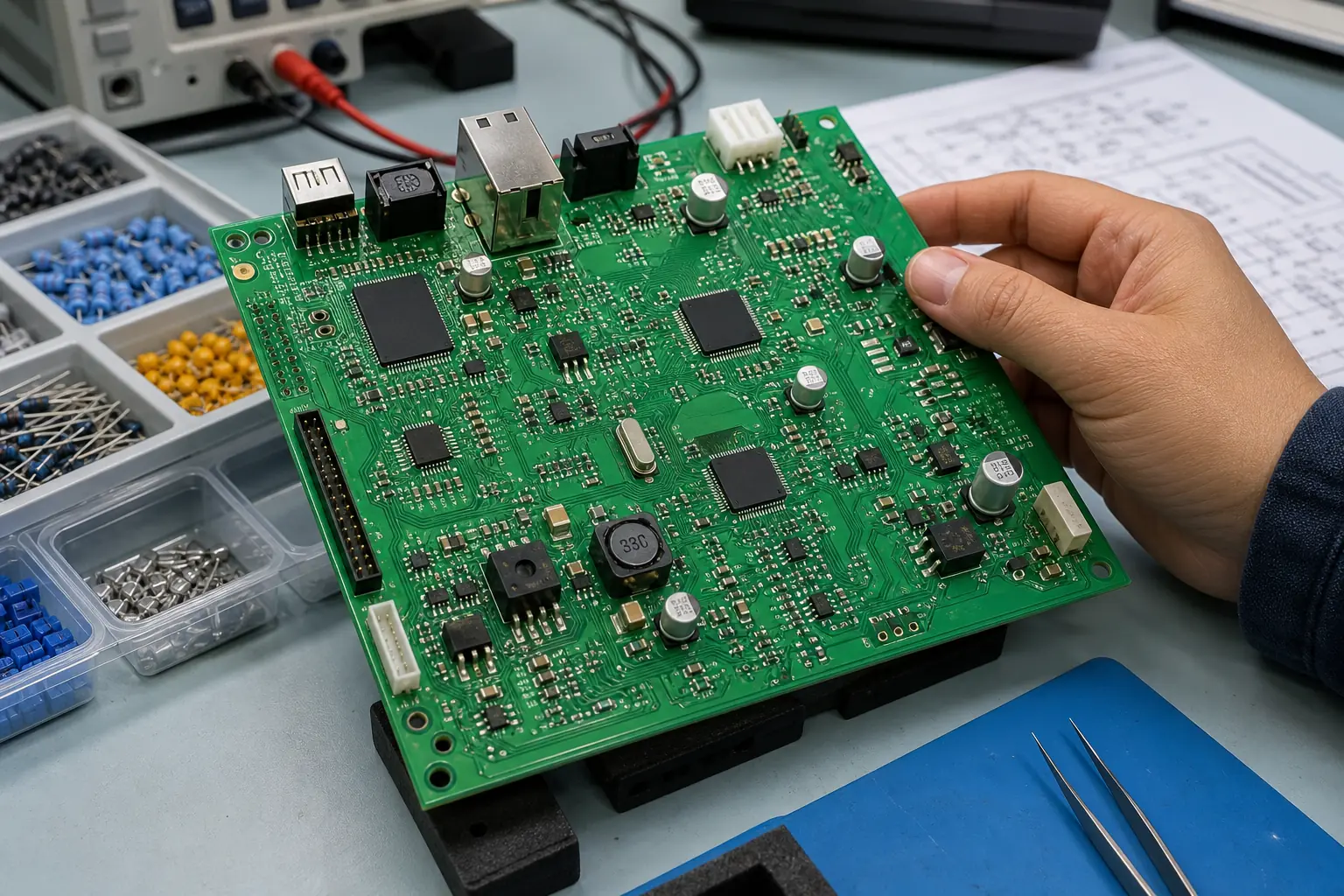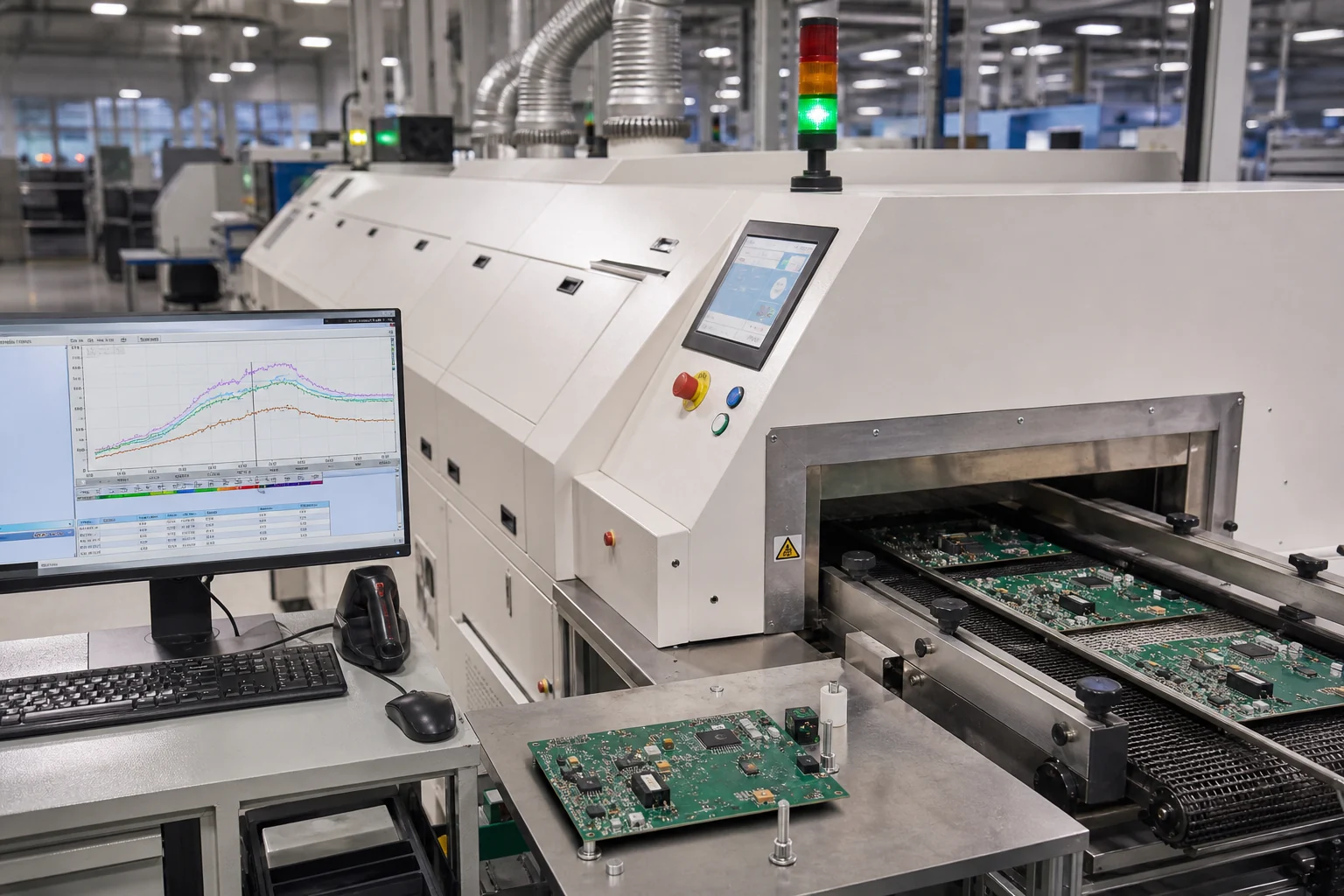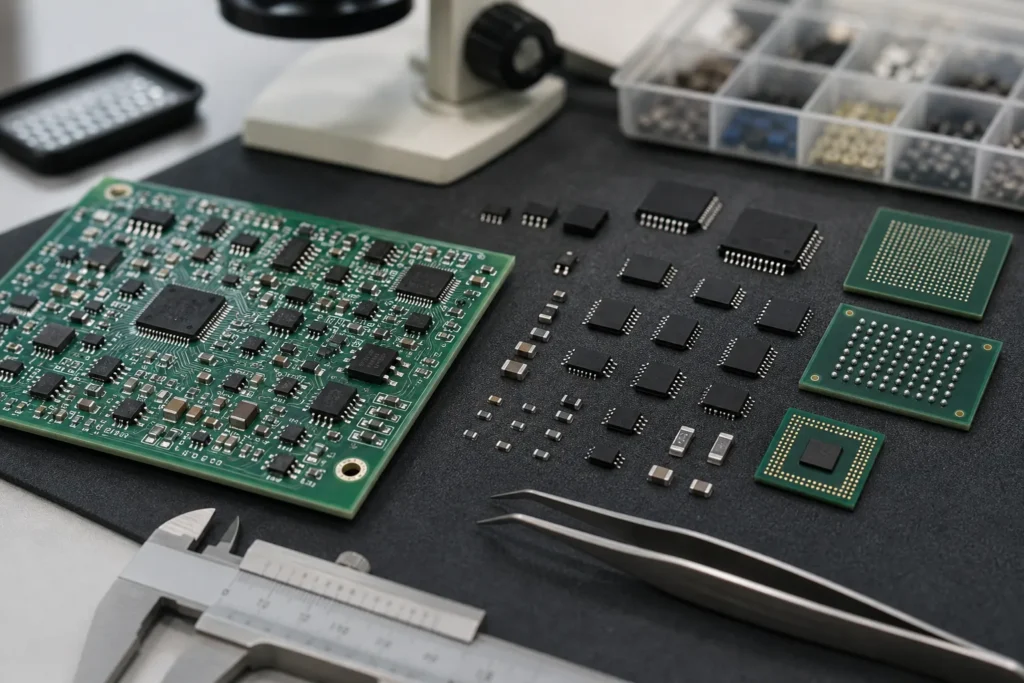
Un Dispositivo a montaggio superficiale Non è solo una parte elettronica che si adatta alla scheda. è una decisione di produzione. Lo stile del pacchetto influisce sul rilascio dello stencil, sulla tolleranza al posizionamento, sull’accesso all’ispezione, sulla difficoltà di rielaborazione, sul comportamento termico e persino sul fatto che una build pilota ti insegni qualcosa di utile.
Ecco perché la scelta dei pacchetti SMD in base alla sola dimensione dell’impronta è raramente sufficiente. Gli ingegneri spesso ottimizzano per l’area della scheda o il costo unitario e scoprono in seguito che la vera penalità si presenta nella configurazione dell’alimentatore, nei giunti nascosti o nel tempo di riparazione. Questa guida si concentra su come scegliere i pacchetti a montaggio superficiale che il processo di assemblaggio può supportare in modo affidabile.
Ciò che un dispositivo a montaggio superficiale cambia effettivamente
La definizione di base è semplice: un SMD è un componente progettato per l’attacco diretto ai pad di superficie anziché ai fori passanti placcati. Ma l’importante domanda ingegneristica è cosa cambia quella scelta per la build.
La densità del tabellone aumenta. Le parti più piccole e la popolazione a doppio lato rendono pratici i design compatti.
l’automazione diventa l’impostazione predefinita. Una volta che il passo del pacchetto diventa abbastanza buono, le ipotesi di posizionamento e riflusso iniziano a guidare il progetto.
modifiche all’ispezione. I cavi ad ala gabbiano sono facili da ispezionare visivamente. I pad termici senza piombo e i BGA non lo sono.
La rielaborazione diventa dipendente dal pacchetto. Un resistore 0603 e un QFN a passo fine sono entrambi SMD, ma non richiedono gli stessi strumenti di riparazione o abilità dell’operatore.
Reverse PCB Panoramica SMT spiega il processo stesso. Il problema della selezione del pacchetto è più stretto: quale stile di dispositivo ti dà il risultato elettrico che desideri senza rendere l’assemblaggio più difficile di quanto dovrebbe essere?
La forma del piombo conta più di quanto molte distintes lo ammetto
La scelta del pacchetto spesso inizia con il sistema di piombo, perché il sistema di piombo controlla la visibilità di bagnatura, il comportamento di autoallineamento durante il riflusso e l’accesso alla rielaborazione.
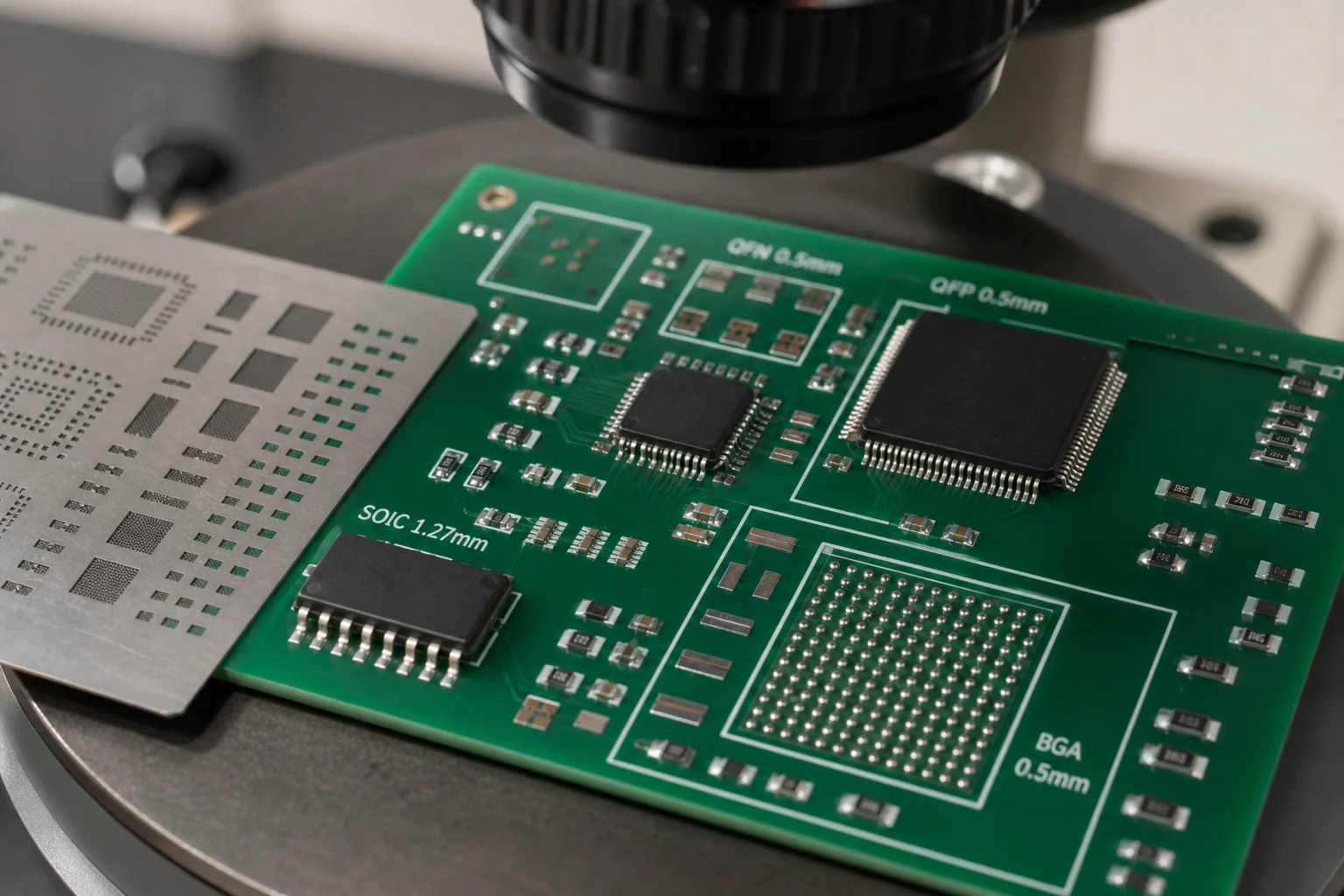
I pacchetti SOIC, TSSOP e QFP hanno lead visibili. Perdonano in ispezione e più facili da sondare o ritoccare rispetto ai pacchetti senza piombo.
I pacchetti QFN e DFN risparmiano spazio e spesso migliorano le prestazioni termiche, ma i loro pad si nascondono sotto il corpo. Ciò aumenta la posta in gioco per la disciplina del modello di terra, la strategia di incolla e il controllo di svuotamento del pad termico.
I pacchetti BGA massimizzano il conteggio dei pin e la densità di instradamento, ma scambiano l’ispezione visiva diretta. Se il prodotto non può giustificare l’accesso ai raggi X o un’attenta pianificazione della rielaborazione, BGA potrebbe essere la convenienza sbagliata.
I passivi del chip sembrano semplici fino a quando le loro dimensioni non diventano troppo aggressive. Un passaggio da 0603 a 0201 può modificare la stabilità del posizionamento, lo sgancio dello stencil e la praticità del servizio sul campo più di quanto non cambi il design elettrico.
Utilizzare questo ordine di selezione invece di scegliere prima per dimensione
Una decisione pratica del pacchetto di solito funziona meglio in questo ordine:
Inizia con funzione e carico termico. I dispositivi di alimentazione e i circuiti integrati termosensibili potrebbero richiedere pad esposti o interfacce in rame più grandi.
Controllare la capacità di posizionamento e ispezione. Se l’ambiente di costruzione non supporta molto fine, passivi ultra-piccoli o convalida a raggi X, non scegliere quei pacchetti casualmente.
Considera la rielaborazione e il servizio. Un pacchetto leggermente più grande può far risparmiare molto tempo nel debug dei prototipi, nella riparazione sul campo e nel controllo delle modifiche ingegneristiche.
solo allora ottimizzare area e costo. L’area del consiglio di amministrazione è importante, ma non abbastanza per giustificare un pacchetto che restringe la finestra del processo senza benefici a livello di prodotto.
Errori comuni del pacchetto SMD che danneggiano la resa
Specificare le parti senza piombo senza prestare sufficiente attenzione al pad termico. Il pad esposto fa parte della sfida dell’Assemblea, non un ripensamento.
Utilizzando il più piccolo passivo disponibile per motivi estetici. Piccoli pacchetti impressionano uno screenshot di layout più di quanto migliorano molti prodotti reali.
ignorando l’accesso all’ispezione. Se l’articolazione critica non può essere vista o testata, il processo deve compensare da qualche altra parte.
Mescolando richieste di pacchetti molto diverse su una scheda senza pianificazione del processo. Una tavola che combina grandi lumache termiche, lead ultrafine e passivi 0201 necessita di una deliberata strategia di stencil e profilo.
Per i team che devono ancora decidere se una parte passante è la migliore risposta meccanica, compromessi a foro passante contro il montaggio superficiale Rimani da rivedere prima di commettere la distinta base.
Scegli i pacchetti che la fabbrica può costruire, ispezionare e riparare
Il migliore Dispositivo a montaggio superficiale La scelta è raramente il pacchetto più piccolo, più nuovo o più compatto. È il pacchetto che si adatta alle esigenze elettriche rimanendo all’interno di una finestra di produzione ragionevole. Quando gli ingegneri prendono decisioni sui pacchetti tenendo conto dell’assemblaggio, dell’ispezione e della riparazione, la scheda diventa più facile da lanciare e più facile da fidarsi nella produzione.
Che cos’è un dispositivo a montaggio superficiale?
Un dispositivo a montaggio superficiale, o SMD, è un componente progettato per essere saldato direttamente su pad PCB senza che passano attraverso i fori praticati.
Qual è la differenza tra SMT e SMD?
SMT è il metodo di assemblaggio, mentre SMD è il componente creato per quel metodo. Scegli un pacchetto SMD, quindi producilo con un processo SMT.
Perché la scelta del pacchetto influisce sulla producibilità?
Lo stile del pacchetto influisce sulla progettazione dello stencil, sull’accuratezza del posizionamento, sull’accesso all’ispezione, sulle prestazioni termiche e sulla difficoltà di rielaborazione. Due parti elettricamente equivalenti possono creare un rischio di assemblaggio molto diverso.
I pacchetti leadless sono sempre migliori dei pacchetti con piombo?
No. I pacchetti Leadless possono risparmiare spazio e migliorare il comportamento termico, ma riducono anche l’accesso all’ispezione visiva e spesso rendono più difficile la rielaborazione. La scelta migliore dipende dal prodotto e dall’ambiente di costruzione.
Quando un ingegnere dovrebbe evitare la dimensione passiva più piccola disponibile?
Evita passivi ultra-piccoli quando la scheda non ne ha bisogno o quando la capacità di posizionamento, l’accesso alla rilavorazione o l’affidabilità del servizio sul campo migliorerebbero con un pacchetto leggermente più grande come 0603 anziché 0201.