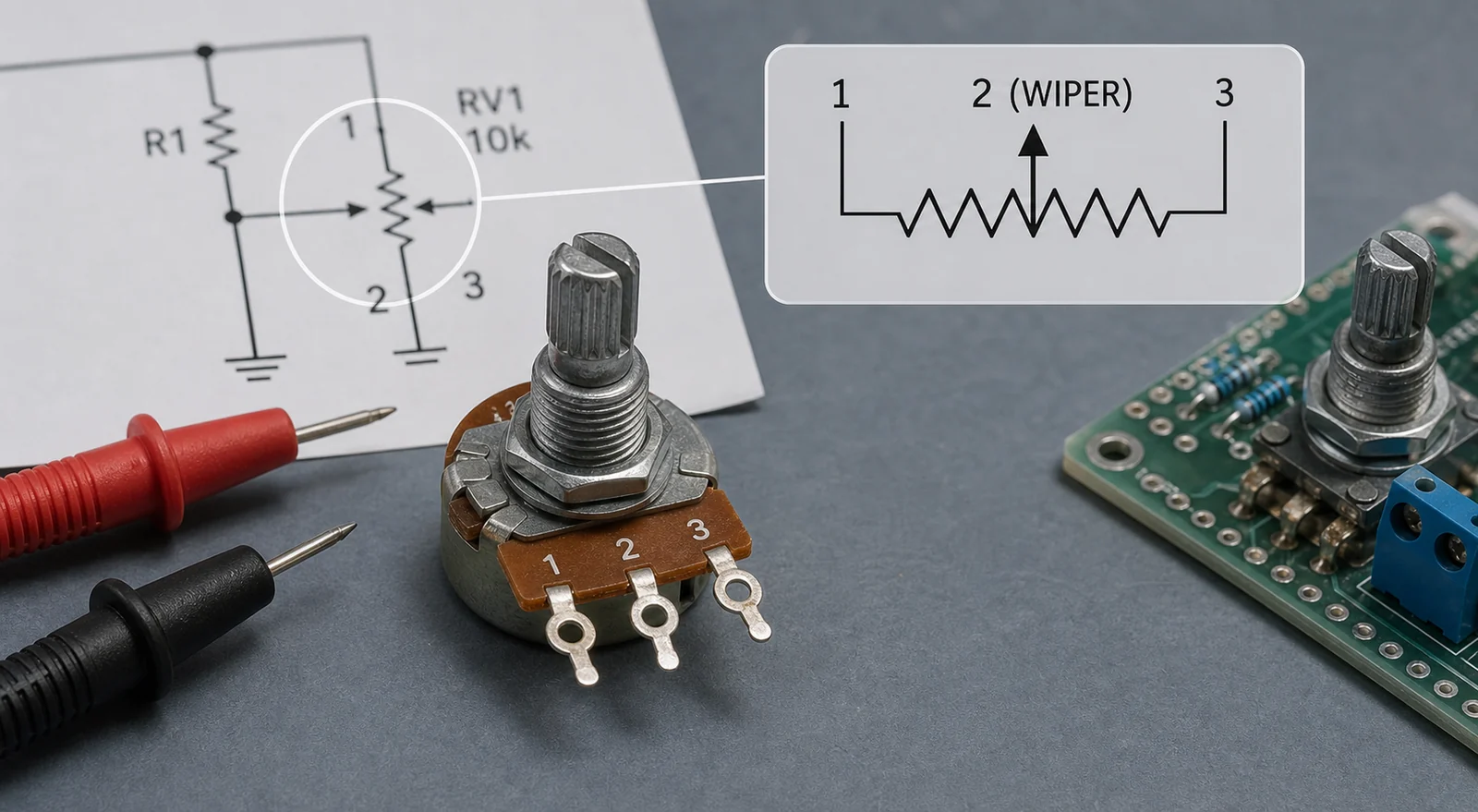
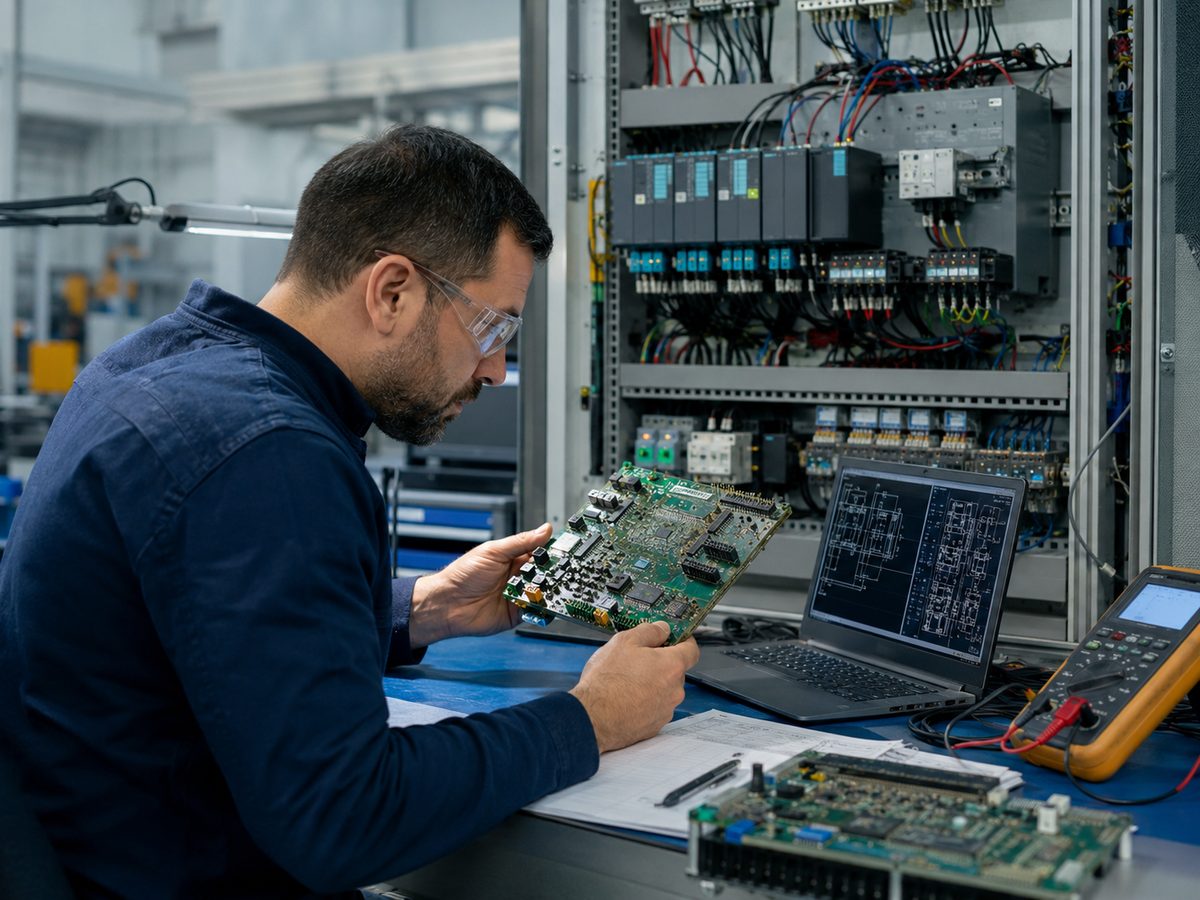
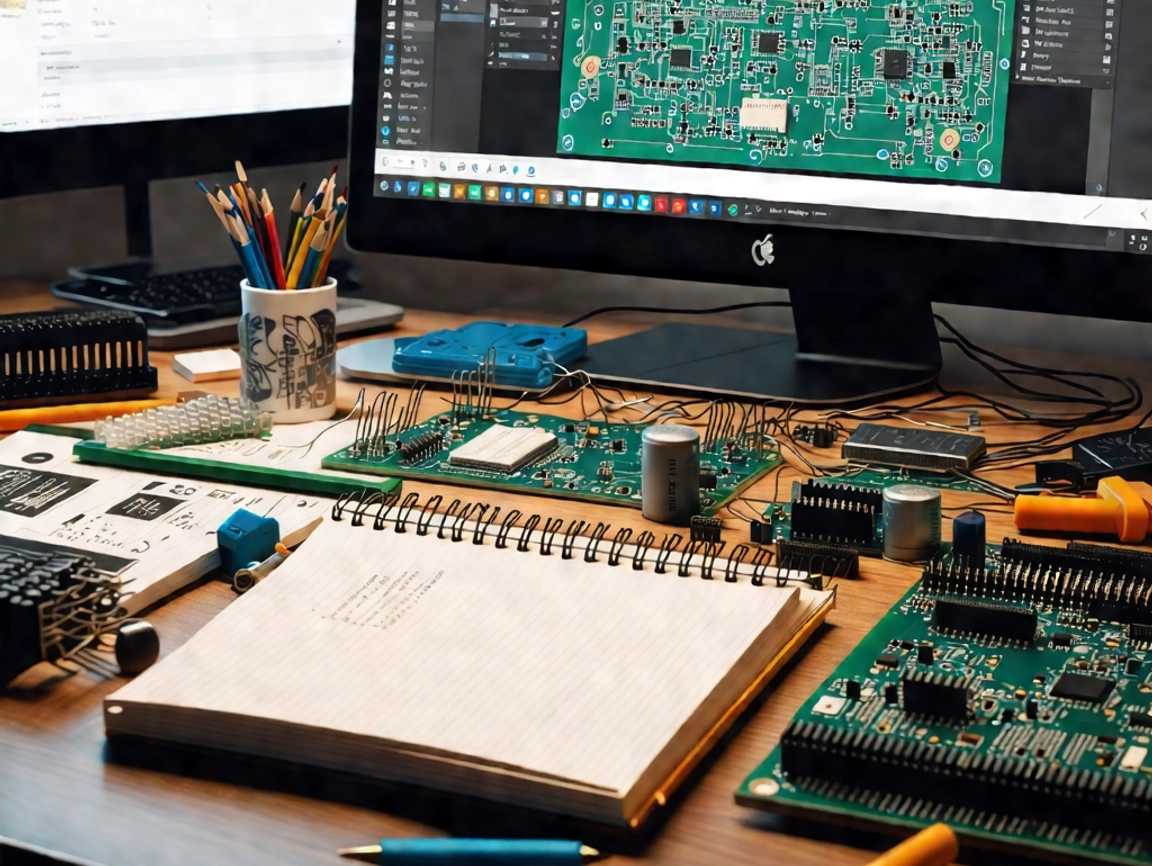
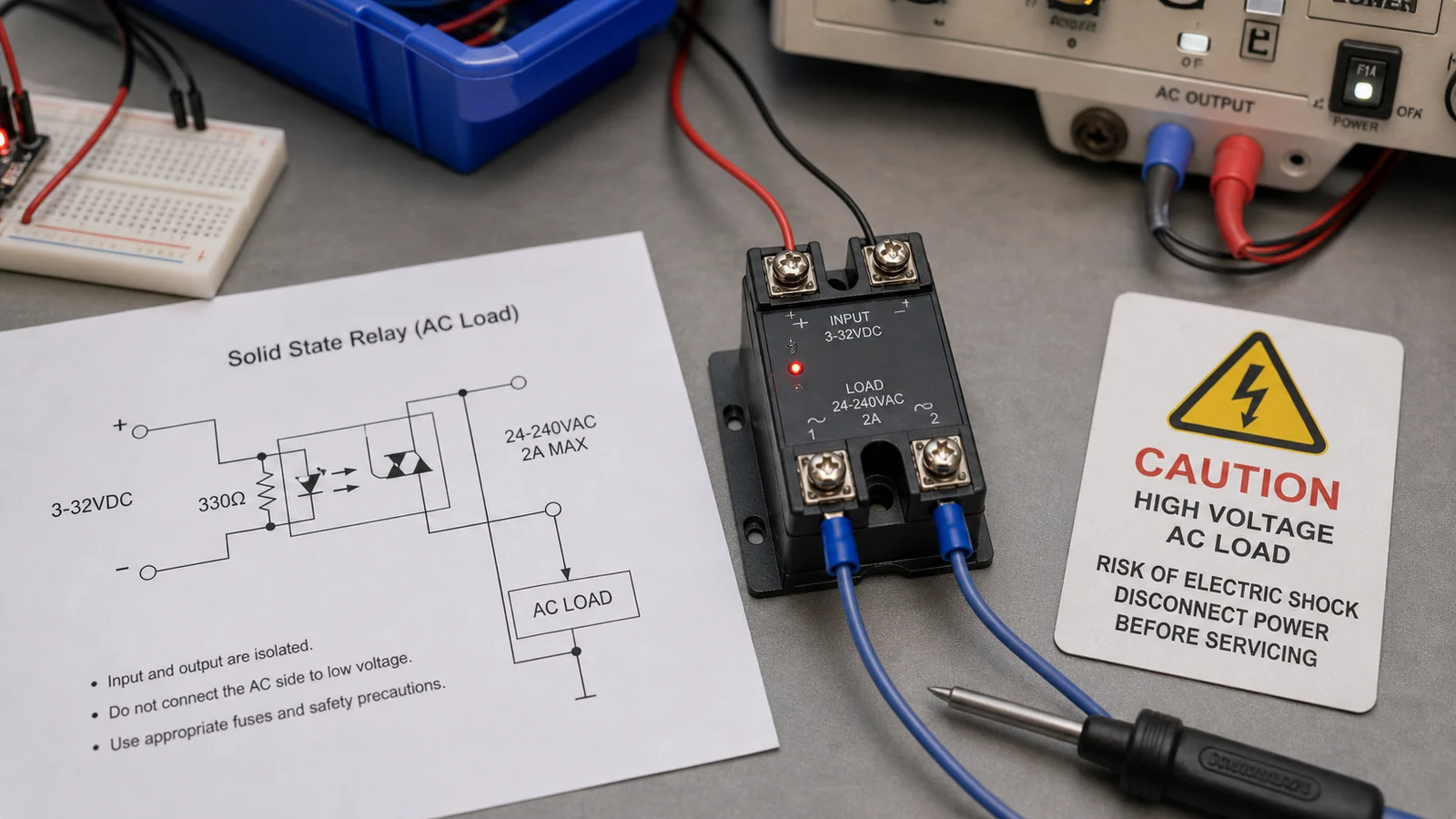
Una Esquema de PCB (placa de circuito impreso) es la representación lógica y visual de un circuito. Es el primer paso en el proceso de diseño de productos electrónicos. En épocas anteriores, los diseñadores dibujarían esquemas a mano en papel. Hoy en día, utilizan herramientas de diseño de PCB especializadas, como M-CAD y E-CAD, para agilizar el proceso de diseño. Seguir las pautas esquemáticas estándar es esencial para lograr un diseño bien estructurado y libre de errores.
Ejemplo 1: Esquema de circuito de calefacción de PCB
Descripción general del proyecto
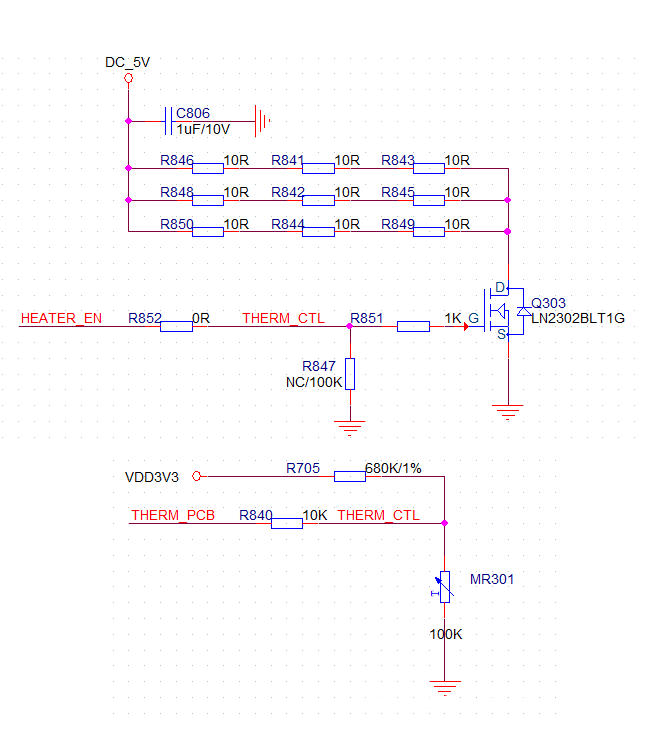
En este proyecto, el circuito actúa como un sistema de calefacción para que la PCB mantenga su temperatura por encima del dispositivos Límite operativo mínimo, particularmente en bajas temperaturas. Dado que no se requiere un control de temperatura preciso, el diseño utiliza un divisor de voltaje compuesto por una resistencia y un termistor NTC para controlar un MOSFET o un transistor. Cuando la temperatura cae por debajo de un umbral establecido, el voltaje a través del divisor aumenta, encendiendo el circuito de calefacción. A medida que la temperatura sube de nuevo, el voltaje disminuye, apagando el circuito.
Explicación del diseño
Utilizamos un paquete SOT-23 común para el transistor y MOSFET. Los MOSFET generalmente soportan corrientes de conducción más altas en comparación con los transistores en el mismo paquete, por lo que seleccionamos el MOSFET LN2302BLT1G de LRC. El termistor NTC elegido es el NCP15WF104F03RC de uso común. Para los elementos de calefacción, utilizamos una resistencia de 10 Ω de 1210 paquetes, controlando la potencia total a 2.5W.
En el esquema, la señal THERM_PCB es una entrada analógica alimentada al ADC del microcontrolador para el monitoreo de temperatura de PCB. La señal Heater_en se conecta a un microcontrolador IO. El pasador está ajustado a una alta impedancia, pero si el circuito de calefacción funciona mal, el IO puede tirar de la señal para forzar el mosfet como medida de seguridad.
Ejemplo 2: Esquema del circuito del controlador del motor de puente en H
Descripción general del proyecto
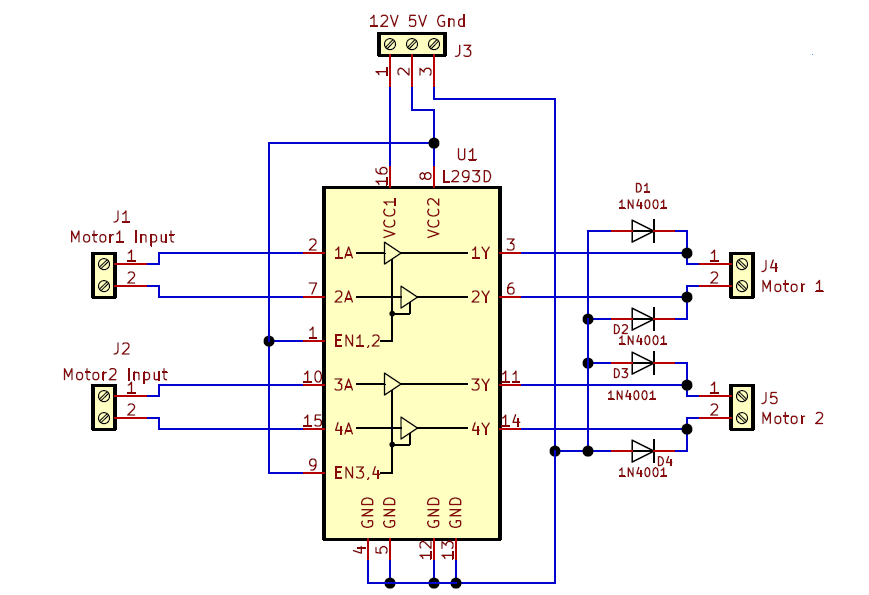
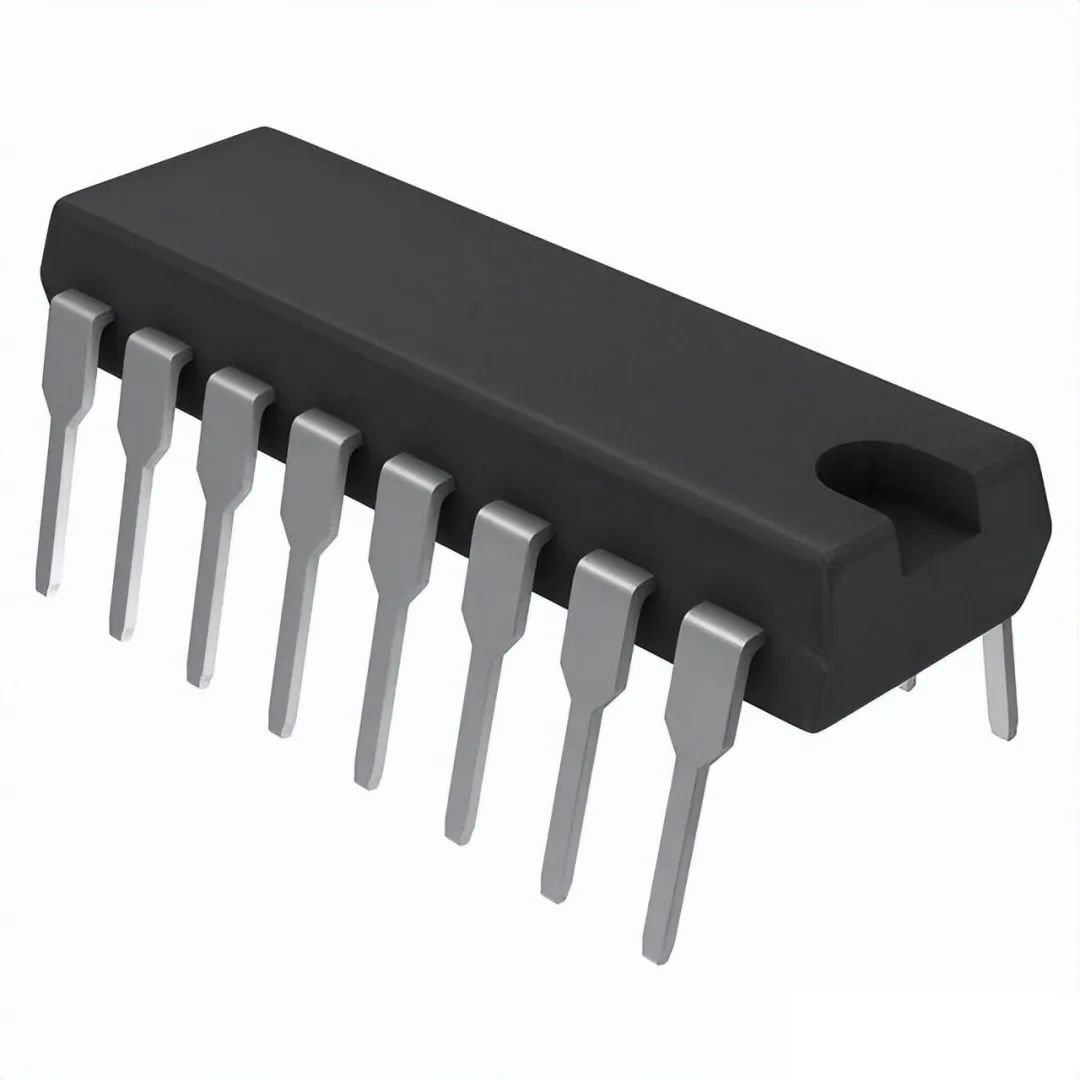
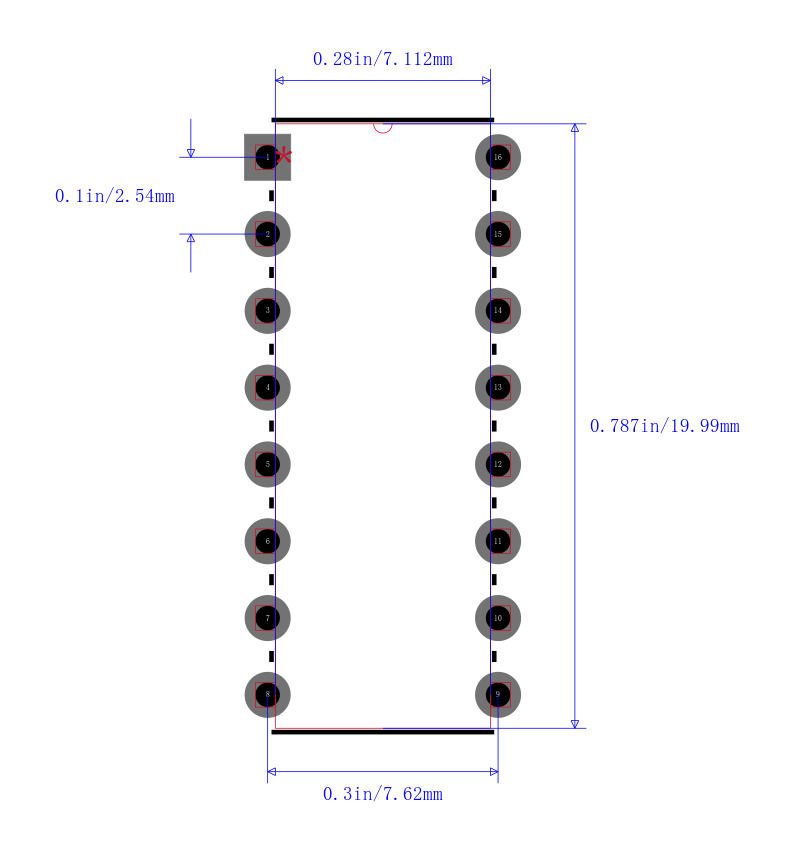
Un controlador de motor de puente en H gestiona las señales de potencia y control de un motor, lo que permite la rotación bidireccional del motor. El controlador de motor L293D viene en un paquete PDIP de 16 pines, que ofrece protección ESD interna, inmunidad de alto ruido y un amplio rango de voltaje de funcionamiento de 4.5V a 36V.
Explicación del diseño
El circuito de controlador de motor de puente en H que utiliza el L293D es simple y requiere solo cuatro diodos externos. El circuito acciona dos motores con dos señales de entrada que controlan dos motores separados. Las señales de entrada del motor 1 se aplican a los pines 1a y 2a, mientras que las salidas son de los pines 1y y 2y. De manera similar, las señales de entrada del motor 2 se aplican a los pines 3a y 4a, con salidas de los pines 3y y 4y. Los diodos D1–D4 protegen los motores de picos de voltaje inversos.
Detalles del componente del controlador L293D
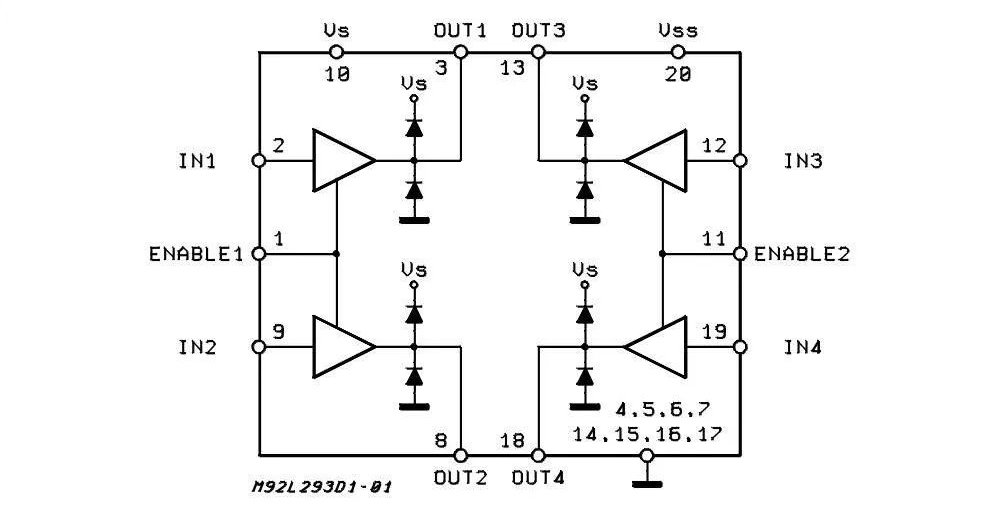
El L293D es un controlador de medio H de alta corriente capaz de suministrar hasta 600 mA de corriente de transmisión bidireccional. Puede controlar cargas inductivas, como motores, relés, solenoides y motores paso a paso bipolares.
Ejemplo 3: Esquema de circuito de alimentación de conmutación
Descripción general del proyecto
Una fuente de alimentación de conmutación, también conocida como fuente de alimentación de modo conmutador (SMPS), es un dispositivo de conversión de energía de alta frecuencia. Su propósito es convertir el voltaje de un nivel a otro en función de las necesidades del usuario final, utilizando diferentes arquitecturas de circuitos.

Explicación del diseño
El circuito está diseñado para oscilar entre 30 kHz y 45 kHz, regulado ajustando el condensador C3 y la resistencia R5. El voltaje de salida debe permanecer estable, con una corriente de salida máxima de 500mA. La fuente de alimentación ofrece 8W de potencia efectiva con una eficiencia del 87%.
Herramientas modernas de EDA para hacer esquemas
Hoy en día, los diseñadores confían en numerosas herramientas EDA (Electronic Design Automation) como LCEDA, Altium, Allegro, Pads, KICAD, TinyCAD y ExpressPCB. Estas herramientas ayudan a garantizar que los esquemas de PCB estén libres de errores al monitorear continuamente los problemas de conectividad y lógica. Cumplir con las reglas de diseño estándar es crucial para que el circuito sea legible por máquina.
Esquema de PCB VS Diagrama de circuito de PCB
Cuando los ingenieros dicen un Esquema de PCB, generalmente se refieren al dibujo lógico que muestra el flujo de señal, los rieles de potencia, las referencias y las relaciones de componentes. Una Diagrama de circuito de PCB Se vuelve práctico solo cuando cada nombre de red, designador de referencia y marca de polaridad pueden moverse al diseño sin conjeturas.
Antes de convertir un ejemplo simple en trabajo de producción, revise estos puntos de control:
- Use etiquetas de red consistentes para la alimentación, tierra, relojes, líneas de reinicio y pines de conectores en todo el diagrama esquemático de PCB.
- Haga coincidir cada puente, encabezado y punto de prueba con el esquema de placa PCB previsto y la referencia de la lista de materiales para que el traspaso no sea ambiguo.
- Agregue valores de componente, tolerancias y notas de paquete para que el dibujo pueda convertirse en un ejemplo de diseño de PCB repetible en lugar de un boceto único.
- Marcar los nodos que necesitan atención de diseño, especialmente bucles de alta corriente, referencias analógicas y seguimientos digitales rápidos.
- Mantenga un esquema de placa de circuito listo para la revisión para la fabricación y una vista anotada para la solución de problemas o la ingeniería inversa.
Esta separación ayuda a los lectores a pasar de un ejemplo de esquema de PCB a un diseño listo para la placa al tiempo que reduce el diseño y los errores de documentación evitables.
Conclusión
El diseño esquemático de PCB es un paso crítico en cualquier proyecto electrónico. Siguiendo pautas estándar y utilizando herramientas de diseño modernos, los diseñadores pueden crear circuitos fiables y eficientes. Los ejemplos proporcionados aquí ilustran la diversidad y la aplicación de varios tipos de circuitos, desde simples circuitos de calefacción hasta conductores de motor y fuentes de alimentación.