1. Ingrese las Especificaciones de su Proyecto
2. Desglose de Costos Estimados
Costo de Placa Base (Bare Board):
$0.00
Suministro de Componentes:
$0.00
Mano de Obra y Esténcil:
$0.00
Costo Total Estimado:
$0.00
Costo por Placa:
$0.00
3. Factores Clave y Cómo Ahorrar
¿Qué influye en el costo de su montaje de PCB?
- Tipo y Complejidad de la Placa: Las placas multicapa con trazos finos y enrutamiento complejo son significativamente más caras que las placas simples. El material (ej. FR-4, Rogers) también es determinante.
- Cantidad: Las economías de escala son fundamentales. El costo unitario disminuye drásticamente al aumentar el volumen, ya que los costos de configuración (herramental, esténciles, programación) se amortizan.
- Número de Capas: Cada capa adicional añade múltiples pasos al proceso (laminación, perforación, chapado), incrementando el costo de material y el tiempo de mano de obra.
- Tiempo de Entrega: Los pedidos urgentes requieren priorizar su trabajo sobre otros, lo que conlleva un cargo premium. Los tiempos estándar son la opción más económica.
- Suministro de Componentes: El costo de los componentes es un factor mayor. Conseguir piezas raras o con largos tiempos de espera puede elevar costos y generar retrasos.
- Tecnología de Montaje: La tecnología de montaje superficial (SMT) suele ser más automatizada y económica para altos volúmenes. El montaje Through-hole requiere más trabajo manual. La mezcla de ambos es la opción más compleja.
Formas prácticas de reducir costos de montaje
- Aumente el Volumen de su Pedido: Si es posible, consolide pedidos pequeños en un lote más grande para aprovechar la economía de escala.
- Estandarice Componentes: Use piezas comunes y disponibles siempre que sea posible. Esto reduce los costos de búsqueda y el riesgo de retrasos en la cadena de suministro.
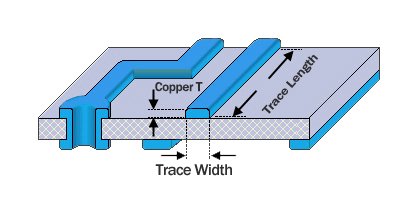
- Optimice el Diseño para Manufactura (DFM): Mantenga anchos de trazo y espacios dentro de las tolerancias estándar. Evite diseños excesivamente densos que requieran maquinaria de alta precisión costosa.
- Elija un Tiempo de Entrega Estándar: A menos que su proyecto sea extremadamente urgente, planificar con un cronograma estándar siempre será la opción más barata.
- Panelice sus Placas: Coloque varias copias de un diseño pequeño en un solo panel grande. Esto agiliza el proceso de montaje y reduce el tiempo de configuración de las máquinas.
Cómo interpretar la estimación del coste de montaje PCB
Interprete el resultado como una estimación de planificación basada únicamente en los valores visibles del formulario, no como una oferta del proveedor. Mantenga cantidades y unidades coherentes con las etiquetas de cada campo. Si una partida no aparece, no dé por hecho que está incluida. Esta página estima la economía del montaje; no es una calculadora de potencia PCB ni evalúa corriente, tensión o límites térmicos.
- Base: introduzca la cantidad prevista y los datos de montaje sin simplificar la complejidad.
- Alcance: compruebe si se contemplan placas desnudas, componentes, esténcil o utillaje, programación, inspección, pruebas, transporte e impuestos.
- Sensibilidad: cambie un solo dato cada vez para identificar qué supuesto domina el cálculo.
- Oferta: confirme BOM, datos de colocación, planos, rendimiento previsto y procesos especiales con el montador antes de presupuestar.